
How to Troubleshoot Common Microwave Oven Issues
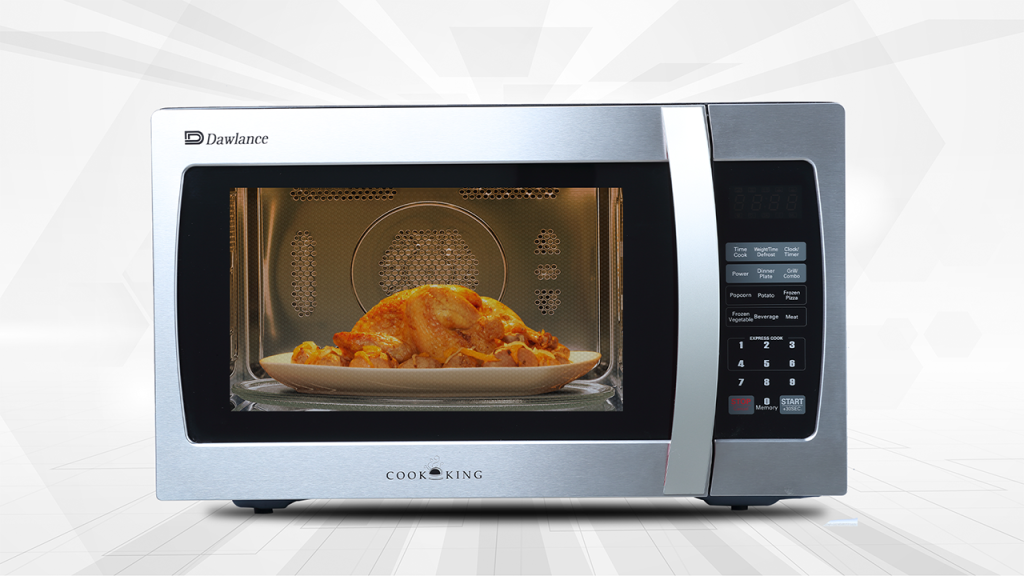
A microwave oven is one of the most reliable appliances in any kitchen, but even the best models can develop problems over time. When your Microwave oven stops heating, makes strange noises, or shows error messages, it’s often possible to fix the issue with simple troubleshooting steps. This guide will help you understand the most common problems and how to solve them safely and effectively at home.
Why Troubleshooting Matters
Understanding how to identify basic issues in your microwave oven saves time, money, and frustration. Many problems don’t require professional repair—just a little knowledge and careful inspection. Keeping your microwave oven in good condition also helps extend its lifespan and ensures consistent cooking performance.
The Microwave Oven Isn’t Heating
One of the most common issues is when your microwave oven runs but doesn’t heat food. This can happen for several reasons, but many are simple to diagnose.
Check the Power Levels
Sometimes the power level on your microwave oven is accidentally set too low. Make sure it’s set to 100% or the appropriate level for your food.
Inspect the Door Seal
If your microwave oven door isn’t fully closed or the seal is damaged, the appliance won’t heat properly. Ensure the door shuts tightly every time.
The Microwave Oven Makes Unusual Noises
Strange sounds coming from your microwave oven can be alarming, but many are easy to understand.
Loose Turntable
A rattling sound often means the turntable inside your microwave oven isn’t seated correctly. Remove it, clean the roller ring, and place it back securely.
Food Debris
Sometimes debris gets stuck underneath the turntable, causing noise. Clean the inside of your microwave oven thoroughly to eliminate the issue.
The Microwave Oven Sparks or Flashes
Seeing sparks inside your microwave oven can be frightening, but it usually has a simple cause.
Metal Objects
Any metal inside your microwave oven—including foil, metal-trimmed dishes, or utensils—can create sparks. Remove them immediately and switch to microwave-safe items.
Damaged Interior
If the protective coating inside your microwave oven is chipped, it can cause arcing. Keep the interior clean and avoid using abrasive scrubbers.
Buttons or Display Not Working
If the control panel on your microwave oven becomes unresponsive, check these common causes.
Moisture Build-Up
Steam from cooking can sometimes affect the buttons. Wipe the exterior of your microwave oven and let it dry before trying again.
Child Lock
Many microwave oven models include a lock feature to prevent accidental use. Check your manual to ensure the lock isn’t activated.
The Turntable Isn’t Rotating
A rotating turntable ensures even heating inside your microwave oven, so when it stops, you’ll want to fix it quickly.
Check the Roller Ring
Remove the turntable from your microwave oven and inspect the roller ring for misalignment or debris.
Turntable Motor
If the problem continues, the turntable motor may be worn out. This part in your microwave oven may require professional replacement.
The Microwave Oven Smells Burnt
Burnt smells often linger in a microwave oven, especially after overheating food.
Clean Thoroughly
Food splatters stuck inside your microwave oven can burn repeatedly. Steam-clean with lemon or vinegar to refresh the interior.
Avoid Overheating
Using your microwave oven for too long without checking food can cause foul odors and even damage.
The Microwave Oven Shuts Off Suddenly
If your microwave oven shuts down mid-use, it may signal overheating or an electrical issue.
Ventilation Problems
Blocked vents prevent your microwave oven from cooling properly. Ensure the appliance has space around it for airflow.
Overload
Plugging a microwave oven into a crowded outlet can trip breakers. Use a dedicated outlet.
When to Call a Professional
While many issues are easy to fix, some problems in your microwave oven require expert attention.
Electrical or Internal Damage
If you suspect wiring issues, sparks from internal components, or blown fuses, stop using your microwave oven until a technician inspects it.
Repeated Problems
If the same issue keeps returning, your microwave oven may have deeper internal problems that need professional repair.
Conclusion
Troubleshooting your microwave oven doesn’t have to be complicated. With the right steps, you can quickly identify and fix many common issues, ensuring your appliance continues to perform reliably. Take time to inspect, clean, and maintain your microwave oven, and you’ll enjoy safe, efficient cooking for years to come.
About the Author