Introduction to Saltwater Fly Fishing
Saltwater fly fishing is a captivating sport that combines the beauty of nature with the art of angling. Every year, thousands of enthusiasts venture out into oceans, bays, and estuaries, seeking the thrill of catching everything from striking tarpon to elusive bonefish. For many anglers, saltwater fly fishing represents a challenging yet rewarding way to engage with marine environments. In this guide, we will delve deeper into the essentials of saltwater fly fishing, spanning from basic techniques to advanced tips aimed at improving your skills. Whether you are a seasoned angler or a curious beginner, this comprehensive overview about Saltwater fly fishing promises to provide actionable insights and expert advice.
Understanding the Basics of Saltwater Fly Fishing
To get started with saltwater fly fishing, one must first grasp the fundamental concepts that underpin the sport. Understanding how saltwater fish behave, what influences their feeding habits, and how environmental elements can impact fishing dynamics is key. Saltwater species often inhabit distinct zones, such as flats, reefs, and deeper waters, each requiring different techniques and gear.
Saltwater fly fishing requires specialized equipment compared to traditional freshwater fly fishing. This includes a heavier line and rod to handle the larger fish and rugged environments. Mastering the art of fly casting in saltwater demands a sound understanding of wind conditions and the behavior of fish species.
Essential Gear for Saltwater Fly Fishing
Choosing the right equipment is crucial for success in saltwater fly fishing. The essential gear includes:
- Rods: Saltwater rods must be constructed to withstand corrosive environments. Ideal materials often include fiberglass or graphite.
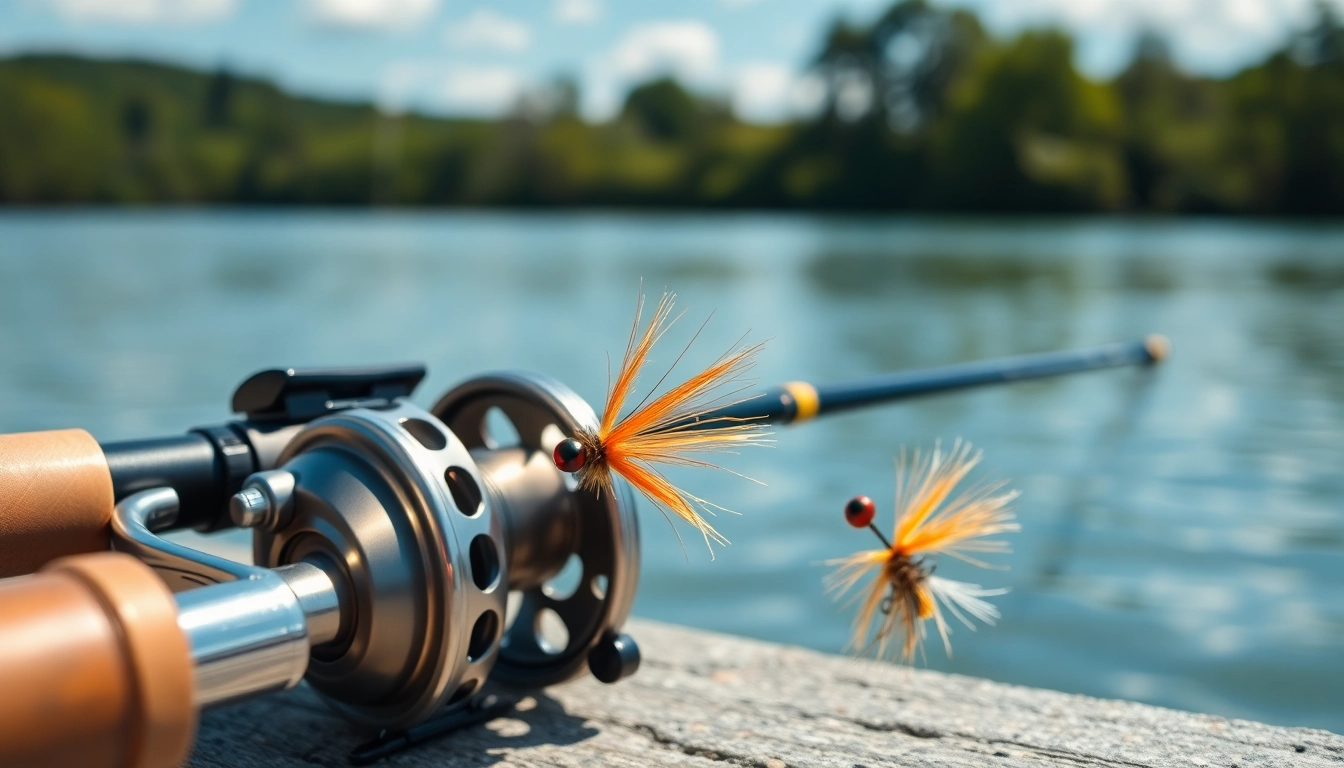
- Reels: A saltwater fly reel needs to be durable and resistant to sand and saltwater. Look for sealed components that prevent corrosion.
- Lines: Weight-forward floating lines are popular for various saltwater species. Specialized sinking lines are essential for deeper-waters fishing.
- Flies: Understanding the types of flies that attract saltwater species you’re targeting will enhance your success rate. Patterns like Clouser minnows and deceivers are common choices.
- Clothing and Accessories: Lightweight, moisture-wicking clothing offers UV protection, and items like polarized sunglasses can help you see more clearly into the water.
Choosing the Right Location
Your fishing success often hinges on location. Saltwater habitats can be vastly different, thus, knowing where to target is imperative:
- Inshore: Includes estuaries, bays, and coastlines which are home to species like redfish and snook.
- Offshore: Ideal for larger species like tuna and dolphin. Larger boats and deeper gear are required.
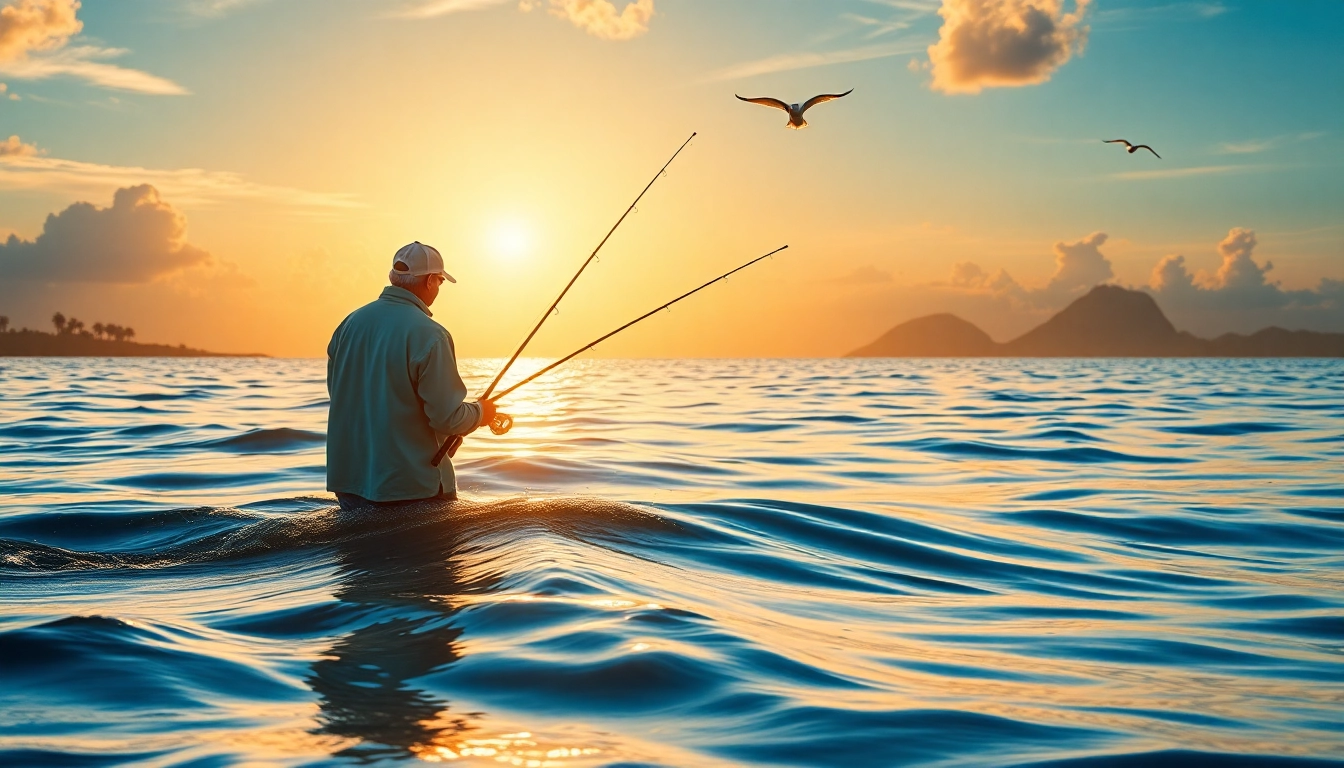
- Flats: These shallow areas attract various species. It’s vital to learn how to read the water and look for signs of fish.
Techniques for Saltwater Fly Fishing Success
Effective Casting Techniques
Mastery of casting techniques is essential for saltwater fly fishing. The wind can be a significant factor whilst fishing in saltwater, often complicating casting.
Practice casting into the wind to improve your precision and distance. Key techniques include:
- Double Haul: This technique improves line speed and distance, making it easier to cast in windy conditions.
- Roll Cast: Helps in confined spaces where backcasting is difficult. It allows the line to unfurl on the water’s surface.
- Strip Setting: This involves retrieving line while simultaneously shooting it towards the fish to ensure a solid hookset.
Reading the Water and Fish Behavior
Understanding how to read the water can significantly enhance your fishing success. Look for:
- Surface Activity: Birds diving or fish breaking the surface are good indicators of feeding areas.
- Structure: Fish often congregate around structures such as rocks, reefs, and vegetation, which provide shelter and food.
- Tide and Time: Fish behaviors are influenced by tidal patterns. Fishing during moving tides often increases success rates.
Using Various Flies and Tackle
The flies you choose should match the saltwater species you are targeting. Some popular fly types include:
- Deceivers: Versatile baitfish patterns perfect for many species.
- Clousers: Excellent for species that feed on smaller baitfish.
- Crab Flies: Effective when targeting species like permit or bonefish during the crabbing season.
Popular Saltwater Fly Fishing Destinations
Top Coastal Spots in the U.S.
The United States offers phenomenal saltwater fly fishing opportunities. Some premier locations include:
- Florida Keys: A mecca for saltwater anglers with diverse species like tarpon, bonefish, and permit.
- North Carolina: The Outer Banks provide opportunities for both inshore and offshore fishing.
- California: Known particularly for halibut and species found off the Pacific coast.
International Saltwater Fly Fishing Hotspots
Adventurous anglers may seek out international hotspots renowned for their unique fish species and picturesque settings:
- The Bahamas: Famous for its clear flats and abundant bonefish population.
- Belize: Offers exciting opportunities for tarpon and permit fishing.
- Australia: Home to numerous unique species and stunning backdrops, it’s a perfect destination for fly fishing enthusiasts.
Seasonal Considerations for Destination Fishing
Different species exhibit varying behaviors during the seasons. Understanding when to fish is critical:
- Spring: Often sees active feeding as fish prepare for spawning.
- Summer: The warm months bring frequent feeding opportunities. Be mindful of the heat.
- Fall: Ideal as many species put on weight for winter; fishing can be particularly fruitful.
- Winter: Certain species are less active, leading to generally quieter fishing conditions.
Beginners Guide to Saltwater Fly Fishing
Initial Steps for New Anglers
Starting your journey in saltwater fly fishing can be a bit intimidating, but with the right approach, it can be an exhilarating experience:
- Visit Local Shops: Engaging with knowledgeable staff can help build your foundation and gear selection.
- Take a Class: Learning the basics from a qualified instructor often accelerates the learning curve.
- Practice Regularly: Consistent practice, particularly casting, builds confidence and efficiency.
Building Confidence on the Water
Getting comfortable and confident on the water takes time. Here are a few tips:
- Start Small: Opt for locations that are beginner-friendly, such as calmer inshore waters.
- Fishing with Friends: Share experiences with fellow anglers to learn and enjoy the sport.
- Keep a Journal: Documenting your experiences can help track successes and areas for improvement.
Common Mistakes to Avoid
Every beginner makes mistakes. Identifying them can help you to improve more rapidly:
- Overcasting: Casting too far may seem impressive, but it often results in less control and accuracy.
- Neglecting Leader Lengths: Using the wrong leader can affect your fly’s presentation and visibility.
- Ignoring Tides: Understanding and optimizing for tidal movements is crucial for successful outings.
Advanced Tips for Improving Your Skills
Techniques for Persistent Challenges
As you progress, challenges will arise. Here are methods to tackle them:
- Adjusting to Conditions: Windy days may require different casting techniques and line choices.
- Reading Changing Environments: Shifts in temperature or structure require flexibility in your approaches.
- Patience: Success often comes from thorough preparation and patience in waiting for the right opportunities.
Utilizing Technology in Saltwater Fly Fishing
Modern technology provides anglers with powerful tools such as:
- Fish Finders: These devices help locate fish, especially in deeper waters.
- Smartphone Apps: Several apps provide tidal information and weather patterns, assisting anglers in planning.
- Video Tutorials: Online resources can greatly enhance your casting skills and trouble-solving methods.
Joining a Community of Fly Fishing Enthusiasts
Engaging with a community can enrich your fishing experience. Seek out local clubs, online forums, or social media groups. Sharing knowledge, experiences, and stories with fellow anglers can enhance skills, provide motivational support, and accelerate learning.
FAQs About Saltwater Fly Fishing
1. Does fly fishing work in saltwater?
Yes, fly fishing is effective in saltwater, with a variety of species such as tarpon, permit, and bonefish readily caught on flies.
2. What is the 60/20/20 rule in fly fishing?
The 60/20/20 rule refers to tapered leaders where 60% is the butt section, followed by 20% for the midsection, and 20% for the tippet.
3. What saltwater fish can you fly fish for?
You can target species like mahi-mahi, tarpon, snook, and redfish, among many others.
4. Where is the best saltwater fly fishing?
Some of the best spots include The Bahamas, Florida Keys, Belize, and Australia’s Great Barrier Reef.
5. What are the main considerations for gear?
Ensure your gear is durable against saltwater corrosion, choose the correct weight rod, and use appropriate lines and flies for your targeted species.