Understanding Custom Metal Fabrication
Custom metal fabrication is a transformative process in which raw metal materials are manipulated to create a wide array of components and structures tailored to specific needs. This intricate craft combines skill, technology, and engineering to bring ideas to life, whether for industrial applications, architectural needs, or specialized products. By collaborating with expert providers in custom metal fabrication, businesses can achieve exceptional quality and functionality in their metal products.
What is Custom Metal Fabrication?
Custom metal fabrication encompasses a series of processes that convert metal into desired shapes or forms. Unlike mass production, which relies on standardized solutions, custom fabrication is tailored to specific project requirements, resulting in unique and specialized products. These processes include cutting, bending, welding, machining, and finishing, often employing advanced technology such as laser cutting and CNC machining.
The Importance of Materials in Fabrication
The choice of materials plays a crucial role in the success of any custom metal fabrication project. Common materials include steel, aluminum, copper, and brass, each with distinct properties. The selection depends on various factors, such as strength, weight, corrosion resistance, and cost. Understanding the characteristics of these materials is essential for achieving optimal results, as they directly impact the performance and longevity of the final product.
Key Processes in Custom Metal Fabrication
- Cutting: Involves various techniques like shear cutting, laser cutting, and plasma cutting to achieve precise shapes.
- Bending: Metal sheets are bent to create angles or curves, often using press brakes.
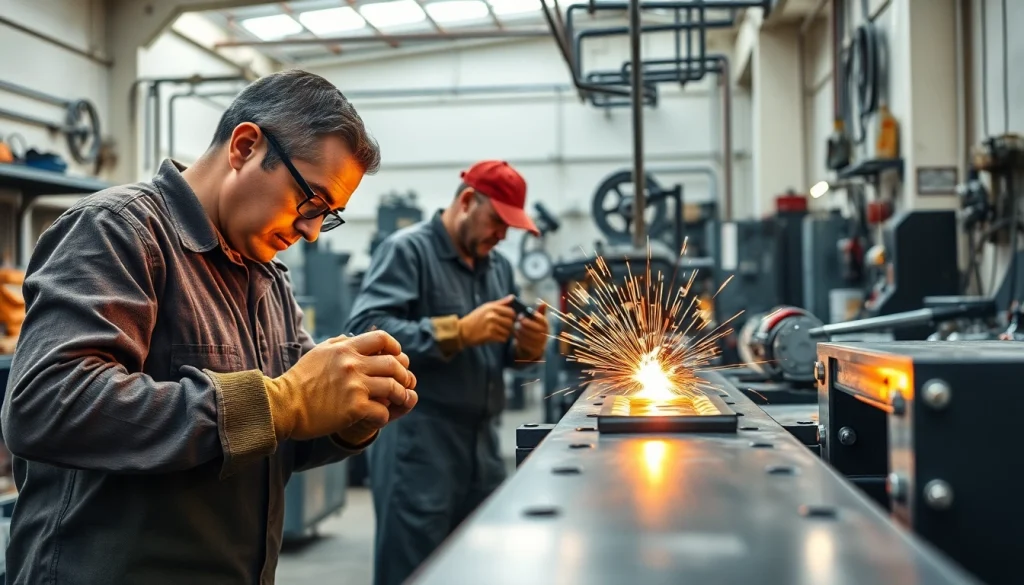
- Welding: Joins metal pieces by melting them together, creating a strong bond.
- Machining: Uses tools to remove material and produce exact dimensions.
- Finishing: Enhances surface quality and appearance through processes like polishing, painting, or coating.
Benefits of Custom Metal Fabrication
Tailored Solutions for Unique Needs
One of the standout benefits of custom metal fabrication is its ability to provide tailored solutions. Businesses often face unique challenges that standard products cannot adequately address. Custom fabrication allows for designs that perfectly meet specifications, accommodating everything from intricate designs to specific load bearing capabilities. This bespoke approach means businesses can harness innovation, ensuring their products stand out in the marketplace.
Cost-Effectiveness and Efficiency
While the initial investment in custom fabrication can seem higher than off-the-shelf products, the long-term savings often outweigh these costs. Customized components can improve efficiency and reduce waste, as they are designed for specific applications rather than generic use. Additionally, companies can avoid expenses associated with ongoing maintenance and replacements commonly tied to ill-fitting or inadequate products.
Enhancing Product Quality and Durability
Custom metal fabrication prioritizes quality, as each piece is constructed with precision and care, often using higher-grade materials than mass-produced alternatives. Such attention to detail not only ensures a superior finish but also enhances the product’s durability. By specifying the exact requirements for fatigue, corrosion resistance, or environmental factors, businesses can produce components built to last, decreasing overall lifecycle costs.
Choosing the Right Fabrication Techniques
Welding vs. Machining: Which to Choose?
Welding and machining are both essential methods in custom metal fabrication, yet they serve different purposes. Welding is primarily used for joining metals together, creating strong and continuous connections. It’s advantageous for creating complex assemblies quickly. On the other hand, machining offers precision; it is ideal for shaping components to exact dimensions and tolerances necessary for functional parts. The choice largely depends on the specific application and design requirements.
Cutting Methods: Laser vs. Plasma
When it comes to cutting metal, laser cutting and plasma cutting are two prominent techniques. Laser cutting provides high precision and is excellent for intricate designs and thin materials. It produces clean edges and minimal heat-affected zones. Plasma cutting, while slightly less precise, is faster and more suitable for thicker materials. Understanding the application requirements and the materials involved is crucial for selecting the appropriate cutting method.
The Role of Finishing Processes
Finishing processes are essential in custom metal fabrication, enhancing not only the aesthetic appeal but also the functionality of the metal components. Common finishing techniques include anodizing, painting, and powder coating, which help protect against corrosion and wear. A proper finish can extend the product’s lifespan and ensure it meets industry standards and customer expectations.
Industry Applications of Custom Metal Fabrication
Automotive Industry Innovations
The automotive industry heavily relies on custom metal fabrication to create everything from structural components to intricate engine parts. Innovations in design and materials have led to more lightweight and fuel-efficient vehicles. Custom fabrication allows manufacturers to produce parts that meet stringent performance criteria and regulatory standards, adapting to the rapidly evolving automotive technologies.
Architectural Applications
In architecture, custom metal fabrication plays a significant role in both structural and decorative elements. From beams that support buildings to artistic features in facades, the ability to create tailored designs enhances aesthetic appeal while maintaining structural integrity. Moreover, with advancements in fabrication techniques, architects can push the boundaries of design without compromising safety or functionality.
Custom Solutions for Heavy Equipment
Heavy equipment manufacturers are increasingly turning to custom metal fabrication to ensure their machinery meets the rigorous demands of their applications. Components such as frames, chassis, and attachments benefit from bespoke designs that enhance performance and durability. Custom fabrication can significantly reduce product failure rates, offering companies a competitive edge in reliability and efficiency.
Future Trends in Custom Metal Fabrication
Advancements in Technology
The landscape of custom metal fabrication is ever-evolving, with technology playing a pivotal role in shaping its future. Digital advancements, such as computer-aided design (CAD) and additive manufacturing, are revolutionizing how products are designed and produced. These technologies enable more precise manipulation of materials and streamline processes, reducing lead times and improving overall efficiency.
Sustainability in Fabrication Practices
As industries increasingly prioritize sustainability, custom metal fabrication is no exception. The drive towards eco-friendly practices is leading manufacturers to invest in energy-efficient machines, recyclable materials, and sustainable processes. By adopting greener practices, businesses not only reduce their carbon footprint but can also appeal to environmentally-conscious consumers, enhancing brand reputation.
Rising Demand for Custom Solutions
There is an increasing demand for customized solutions across various sectors as businesses seek to differentiate themselves in competitive markets. Companies are realizing the value of bespoke designs that align with specific operational needs and consumer preferences. This trend is expected to grow, emphasizing the importance of custom metal fabrication in driving innovation and efficiency across industries.
Frequently Asked Questions (FAQs)
What industries benefit most from custom metal fabrication?
Industries such as automotive, aerospace, construction, and manufacturing greatly benefit from custom metal fabrication, as they require specialized components tailored to specific applications.
How does custom metal fabrication improve product quality?
Custom fabrication improves quality by using precise manufacturing techniques and high-grade materials, resulting in products tailored to meet exact specifications and performance standards.
Is custom metal fabrication cost-effective for small projects?
While initial costs may be higher, custom metal fabrication can be cost-effective for small projects when considering the reduction in waste and the longevity of high-quality custom parts.
What types of metal can be used in fabrication?
Common metals used in fabrication include steel, aluminum, brass, and copper, each chosen based on the specific needs of the project, such as strength and resistance to corrosion.
How can technology enhance custom metal fabrication?
Technology enhances fabrication through advanced techniques like CAD and CNC machining, which allow for high precision, faster production times, and efficient resource management.