Understanding Bed Bug Heat Treatment
Bed bugs are notorious pests that can disrupt your sleep and peace of mind. Among the various extermination methods available, bed bug heat treatment has emerged as one of the most effective solutions. This method utilizes heat to eradicate bed bugs and their eggs at every life stage, providing a comprehensive approach to pest control. Below is an in-depth exploration of how this treatment works, its effectiveness, safety measures, and more.
How It Works
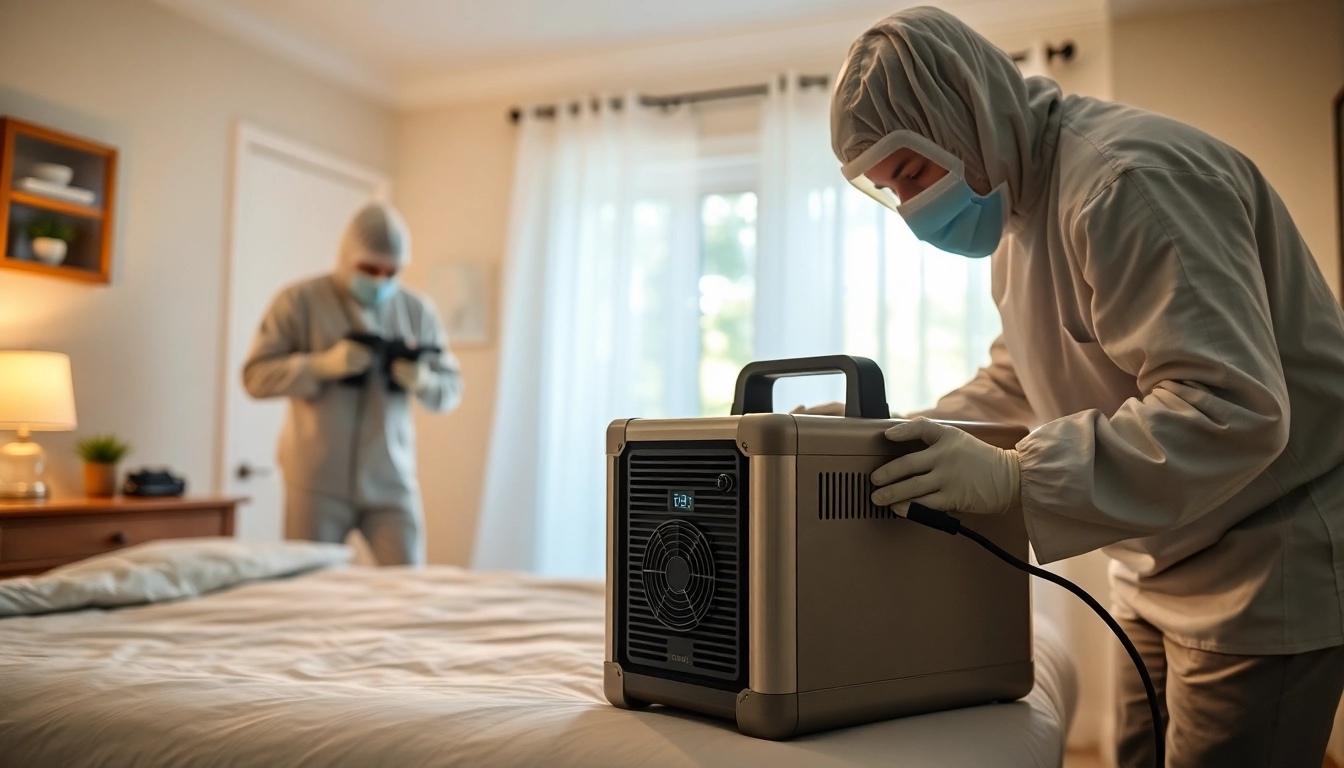
Bed bug heat treatment involves raising the ambient temperature in an infested area to a level lethal to bed bugs. Typically, this temperature reaches between 120°F to 140°F. By using specialized heating equipment, exterminators can heat an entire structure or localized areas effectively. The heat penetrates all surfaces, ensuring that any hiding bed bugs, whether in furniture, walls, or carpets, are exposed to lethal temperatures.
A key component of this method is the duration of exposure. Bed bugs begin to die off at temperatures above 113°F, but prolonged exposure—typically 90 minutes or more—is necessary to ensure the complete elimination of all life stages. Treatments usually last between 4 to 8 hours, depending on the level of infestation and the efficacy of the heating process. Maintaining adequate temperatures throughout the treatment is crucial to combating these resilient pests.
Effective Temperature Ranges
The effectiveness of heat treatment relies heavily on achieving and maintaining optimal temperatures. Research indicates that the ideal temperature for killing bed bugs is around 140°F. At this temperature, adult bed bugs and nymphs typically die within minutes, and eggs succumb within 90 minutes. However, temperatures below 113°F might only stun them, allowing for potential revival. Therefore, maintaining consistent temperatures during treatment is vital.
Safety Considerations
While heat treatment is a highly effective method for exterminating bed bugs, safety measures must be taken to protect both the inhabitants and the structure being treated. The process should only be performed by trained professionals who understand how to operate heating equipment safely and efficiently. Before proceeding, sensitive items, such as electronics and certain types of furniture, need to be removed or safeguarded to prevent damage from high temperatures.
Additionally, fumes and excess heat can pose risks, which is why proper ventilation and monitoring are important during the treatment. Ensuring that pets and humans remain out of the treatment zone during the process is also crucial for safety.
Preparing for Bed Bug Heat Treatment
What to Expect Before Treatment
Before the actual treatment day, a thorough inspection of the home or business will be conducted to identify the extent of the infestation. This inspection helps professionals tailor their approach, targeting areas with significant activity. Homeowners will typically receive guidelines on how to prepare their space prior to treatment, ensuring an effective process.
Home Preparation Steps
Preparation for heat treatment is an essential step. Homeowners should remove or isolate items that may be affected by high heat, ensuring a smoother treatment process. Some recommended steps include:
- Strip beds and wash all bedding in hot water.
- Vacuum carpets and upholstered furniture thoroughly.
- Store clothing and personal items in sealed, heat-resistant containers.
- Clear a path for the heaters and remove any obstructions around baseboards and walls.
Common Myths Debunked
Several myths surround bed bug heat treatment, leading to misconceptions. One prevalent myth is that heat treatments damage electronic devices. While it’s important to exercise caution, professionals are trained to handle equipment to mitigate risks effectively. Another myth is that heat treatment is a one-time solution. In reality, homeowners may need follow-up treatments depending on the level of infestation. Understanding the truth behind these myths can alleviate concerns and lead to more informed decisions about pest control.
Executing a Successful Bed Bug Heat Treatment
Professional vs. DIY Treatment
While DIY approaches for bed bug extermination exist, professional heat treatment is recommended for several reasons. Trained exterminators have access to commercial-grade equipment that can reach and maintain the necessary temperatures more effectively than home appliances. Additionally, professionals understand the complexities of bed bug behavior and can ensure thorough coverage of all potential hiding spots.
Moreover, improper execution of DIY treatments can lead to resistance, prolonging the infestation. For instance, applying heat inconsistently or at inadequate temperatures can allow bed bugs to survive and reproduce. Therefore, hiring experts is often the more cost-effective and reliable solution in the long run.
Timeframes for Effectiveness
The timing of heat treatment varies based on the severity of the infestation and the size of the treatment area. Typically, initial treatments can take 4 to 8 hours, with follow-up inspections recommended within a few weeks. During follow-up, professionals can assess the effectiveness of the initial treatment and determine if further action is necessary. Consistent monitoring and action help to ensure that bed bugs do not return.
Post-Treatment Checklist
After the heat treatment, residents should follow a specific checklist to aid in recovery and safeguarding against future infestations:
- Wait at least 4 hours before re-entering treated areas.
- Check for any remaining bed bugs or signs of their presence.
- Wash additional clothing and linens that were not treated.
- Consider using encasements on mattresses and box springs.
Cost of Bed Bug Heat Treatment
Factors Affecting Pricing
Cost is a significant concern for many homeowners when considering bed bug heat treatment. Several factors influence pricing, including the size of the infested area, the severity of the infestation, and the regional market rates for pest control services. Generally, larger and more severe infestations will increase overall costs due to the additional equipment and labor required.
Price Comparison with Other Methods
When juxtaposing heat treatments with traditional chemical methods, heat treatment may appear more expensive initially. However, its ability to eliminate bed bugs in a shorter time frame and minimize the need for follow-up treatments often makes it a cost-effective solution in the long term. Chemical treatments can require multiple applications and may lead to resistance, prolonging pest issues and driving up costs.
Insurance Considerations
Homeowners insurance policies can sometimes cover pest control services, including heat treatment. It is advisable to check with your insurance provider to understand coverage specifics. Documenting the infestation and treatment process can bolster insurance claims if necessary.
FAQs About Bed Bug Heat Treatment
What temperature kills bed bugs?
Bed bugs are effectively killed at temperatures above 113°F, with 140°F being optimal for quicker extermination. Maintaining these temperatures consistently ensures that all life stages are effectively eliminated.
Are heat treatments safe for pets?
Yes, however, it’s crucial to remove pets from the treatment area during the process to ensure their safety. Once the procedure is complete and the area has cooled, pets can safely return.
How long does a heat treatment take?
Typically, treatments can last from 4 to 8 hours. The duration depends on the size of the area and the severity of the infestation.
What steps to take after treatment?
After treatment, wait a minimum of 4 hours before re-entering the area. Inspect for any remaining signs of bed bugs and wash all clothing and linens to ensure a complete extermination.
Can I rent heat treatment equipment?
While it’s possible to rent equipment for DIY approaches, it’s advisable to invest in professional services for effective and safer execution of heat treatments.