
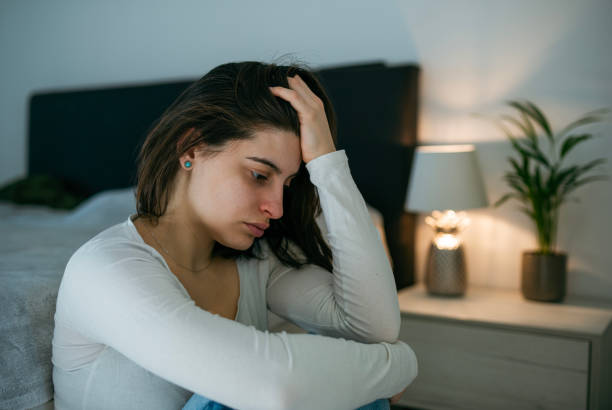
Understanding Anxiety symptoms is essential in today’s fast-paced world, where emotional and psychological pressures have become a common part of daily life. Anxiety is not simply a feeling of worry or fear; it is a complex mental health condition that can influence how individuals think, feel, and behave. While occasional anxiety is a natural response to stress, persistent or overwhelming symptoms may indicate a deeper issue that requires attention and care.
At Calm Minds Hub, the goal is to simplify mental health knowledge and provide clear, evidence-based insights that can be applied in real life. This comprehensive guide explores the nature of Anxiety symptoms, their causes, different types, and most importantly, how to manage them effectively through practical and compassionate strategies.
- Understanding Anxiety and Its Impact
- Common Anxiety Symptoms
- Causes of Anxiety Symptoms
- Types of Anxiety Disorders
- How Anxiety Symptoms Affect Daily Life
- Effective Ways to Manage Anxiety Symptoms
- Long-Term Strategies for Managing Anxiety
- The Importance of Early Recognition
- Conclusion
- Frequently Asked Questions (FAQs)
Understanding Anxiety and Its Impact
Anxiety is closely related to the body’s natural fight-or-flight response, a survival mechanism designed to protect individuals from danger. When this response is triggered too frequently or without a real threat, it can lead to chronic distress. The condition known as Anxiety disorder encompasses a wide range of experiences, from mild uneasiness to severe panic attacks.
The impact of Anxiety symptoms extends beyond emotional discomfort. It can interfere with daily functioning, relationships, work performance, and physical health. People experiencing anxiety often feel trapped in a cycle of worry, which can gradually reduce their quality of life if left unmanaged.
Common Anxiety Symptoms
Emotional and Psychological Symptoms
The emotional dimension of Anxiety symptoms often manifests as persistent worry, fear, or a sense of impending doom. Individuals may find it difficult to control their thoughts, leading to constant overthinking and rumination. Feelings of irritability, restlessness, and a lack of concentration are also common. Many people report feeling on edge, as though something bad is about to happen, even when there is no clear reason.
Over time, these emotional responses can become overwhelming, making it difficult to relax or enjoy daily activities. The mind remains in a heightened state of alertness, which can lead to exhaustion and mental fatigue.
Physical Symptoms
The physical side of Anxiety symptoms is often overlooked but equally important. Anxiety can trigger noticeable bodily reactions such as a rapid heartbeat, shortness of breath, muscle tension, and sweating. Some individuals experience headaches, dizziness, or digestive issues, including nausea or stomach discomfort.
These physical sensations are the result of the body’s stress response being activated repeatedly. When the body remains in this state for extended periods, it can contribute to long-term health problems, including weakened immunity and chronic pain.
Behavioral Symptoms
Behavioral changes are another key aspect of Anxiety symptoms. Individuals may begin to avoid situations that trigger their anxiety, such as social gatherings, public speaking, or unfamiliar environments. This avoidance can limit personal growth and create a sense of isolation.
In some cases, people develop coping habits that may not be healthy, such as excessive reassurance-seeking or over-dependence on routines. These behaviors, while intended to reduce anxiety, can reinforce the condition over time.
Causes of Anxiety Symptoms
Biological Factors
The development of Anxiety symptoms can be influenced by genetic and neurological factors. Individuals with a family history of anxiety disorders may be more prone to experiencing similar challenges. Brain chemistry also plays a role, particularly the balance of neurotransmitters that regulate mood and stress.
Environmental Triggers
Life experiences significantly contribute to Anxiety symptoms. Stressful events such as trauma, loss, or major life changes can act as triggers. Ongoing pressures related to work, finances, or relationships may also increase vulnerability to anxiety.
Psychological Influences
Certain personality traits and thought patterns can make individuals more susceptible to Anxiety symptoms. For example, perfectionism, low self-esteem, and a tendency to overanalyze situations can intensify feelings of worry and fear.
Types of Anxiety Disorders
Generalized Anxiety Disorder
Generalized Anxiety Disorder involves persistent and excessive worry about various aspects of life. People with this condition experience Anxiety symptoms on most days, often without a clear cause.
Panic Disorder
Panic disorder is characterized by sudden and intense episodes of fear known as panic attacks. These episodes can include severe physical Anxiety symptoms, such as chest pain and difficulty breathing, which may feel life-threatening.
Social Anxiety Disorder
Social anxiety involves a deep fear of being judged or embarrassed in social situations. Individuals often avoid interactions, leading to isolation and reduced opportunities for personal development.
Specific Phobias
Phobias are intense fears related to specific objects or situations, such as heights, animals, or flying. These fears can trigger immediate Anxiety symptoms upon exposure.
How Anxiety Symptoms Affect Daily Life
Living with persistent Anxiety symptoms can make even simple tasks feel overwhelming. Decision-making becomes difficult, as the mind constantly anticipates negative outcomes. Relationships may suffer due to misunderstandings or withdrawal, and work performance can decline due to lack of focus.
Over time, untreated anxiety can lead to additional mental health challenges, including depression. Recognizing the impact of anxiety is the first step toward addressing it effectively.
Effective Ways to Manage Anxiety Symptoms
Developing Self-Awareness
Understanding personal triggers is crucial for managing Anxiety symptoms. By identifying patterns and situations that cause distress, individuals can take proactive steps to reduce exposure or develop coping strategies.
Practicing Mindfulness and Relaxation
Mindfulness techniques help bring attention to the present moment, reducing the intensity of anxious thoughts. Deep breathing, meditation, and progressive muscle relaxation can significantly ease Anxiety symptoms over time.
Cognitive Behavioral Strategies
Cognitive Behavioral Therapy techniques focus on changing negative thought patterns. By challenging irrational beliefs, individuals can reduce the emotional impact of Anxiety symptoms and develop healthier ways of thinking.
Lifestyle Changes
Healthy habits play a vital role in managing Anxiety symptoms. Regular physical activity, balanced nutrition, and adequate sleep contribute to overall mental well-being. Reducing caffeine and screen time can also help regulate mood and stress levels.
Building Support Systems
Connecting with trusted friends, family members, or support groups can provide emotional relief. Sharing experiences helps reduce the sense of isolation often associated with Anxiety symptoms.
Professional Help
In some cases, professional guidance is necessary. Therapists and mental health professionals can provide structured approaches to managing Anxiety symptoms, including therapy and, if needed, medication.
Long-Term Strategies for Managing Anxiety
Managing Anxiety symptoms is not a one-time effort but an ongoing process. Developing resilience and emotional intelligence can help individuals navigate challenges more effectively. Setting realistic goals, practicing self-compassion, and maintaining a balanced lifestyle are essential components of long-term mental health.
Consistency is key. Small, daily efforts to manage stress and maintain well-being can lead to significant improvements over time.
The Importance of Early Recognition
Early identification of Anxiety symptoms can prevent the condition from becoming more severe. Paying attention to changes in mood, behavior, and physical health allows individuals to seek help before anxiety escalates.
Education and awareness play a crucial role in reducing stigma and encouraging open conversations about mental health.
Conclusion
Understanding and managing Anxiety symptoms is a vital step toward achieving emotional balance and overall well-being. While anxiety can feel overwhelming, it is important to remember that it is a manageable condition. With the right knowledge, strategies, and support, individuals can regain control over their thoughts and emotions.
Calm Minds Hub is committed to providing reliable, compassionate guidance to help individuals navigate their mental health journey. By taking proactive steps and seeking support when needed, it is possible to reduce anxiety and lead a more fulfilling, peaceful life. All categories and top stories are featured right on the homepage.
Frequently Asked Questions (FAQs)
What are the most common Anxiety symptoms?
The most common Anxiety symptoms include excessive worry, restlessness, rapid heartbeat, muscle tension, and difficulty concentrating. These symptoms can vary in intensity and may affect both mental and physical well-being.
How can I tell if my Anxiety symptoms are serious?
If Anxiety symptoms persist for several weeks, interfere with daily activities, or cause significant distress, they may require professional attention. Severe symptoms such as panic attacks should not be ignored.
Can Anxiety symptoms go away on their own?
Mild Anxiety symptoms may improve with lifestyle changes and stress management techniques. However, chronic anxiety often requires structured strategies or professional support for effective management.
What is the best way to manage Anxiety symptoms naturally?
Natural approaches to managing Anxiety symptoms include mindfulness, regular exercise, healthy eating, proper sleep, and reducing stress triggers. Consistency in these habits can lead to noticeable improvements.
When should I seek professional help for Anxiety symptoms?
Professional help is recommended when Anxiety symptoms become overwhelming, persistent, or begin to affect relationships, work, or overall quality of life. Early intervention can lead to better outcomes.
Contact Us:
Name: Calm Minds Hub
Address: London Eye, Riverside Building, County Hall, Westminster Bridge Rd, London SE1 7PB, United Kingdom
Website: https://calmmindshub.com/