
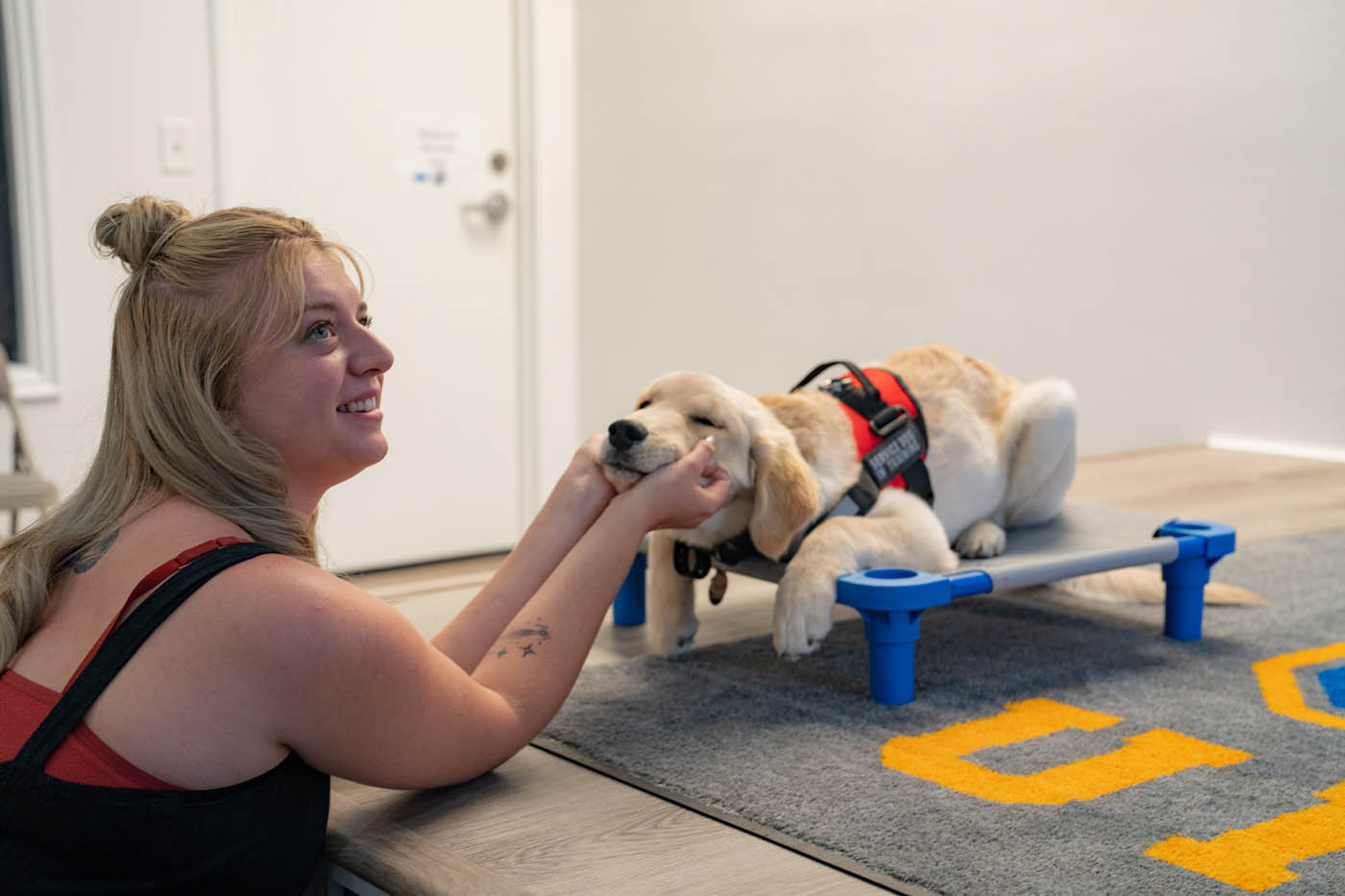
Dogs can surprise even the most experienced owners with remarkable growth. These dog training success stories highlight the power of consistency, patience, and positive reinforcement. From shy puppies finding confidence to older dogs overcoming behavioral challenges, each story demonstrates how tailored techniques create lasting change. Observing these journeys provides practical ideas for addressing common behavioral issues while strengthening the human-dog bond.
Real-Life Dog Training Success Stories
Success stories show that dog training is more than teaching commands it is about understanding a dog’s personality, emotions, and learning style. For instance:
- Rescue Dogs Learning Trust: Many rescued dogs arrive with fear, anxiety, or past trauma. Through gradual socialization and reward-based encouragement, one timid dog progressed from cowering in corners to confidently approaching new people and enjoying group play sessions. Structured exposure to new environments and consistent positive reinforcement built trust over weeks, eventually allowing the dog to engage happily in family activities.
- High-Energy Breeds Mastering Calmness: Breeds like border collies or huskies have boundless energy, often leading to destructive behavior without proper guidance. Structured routines, interactive mental stimulation, and timed exercise sessions helped these dogs learn to settle indoors while maintaining their enthusiasm outdoors. Gradual training combined with games and challenges strengthened obedience without suppressing natural energy.
- Puppies Learning Commands Early: Early socialization and training are crucial for puppies. A litter of golden retrievers quickly mastered “sit,” “stay,” and “come” through short, frequent sessions reinforced with high-value treats. Early mastery of basic commands fosters confidence, prevents problem behaviors later, and establishes a strong foundation for future learning.
- Older Dogs Overcoming Fear or Aggression: Age doesn’t prevent growth. One senior dog, hesitant to walk past strangers, responded positively to reward-based counter-conditioning and patience. Within months, the dog transitioned from fearful avoidance to calm, confident walks in public spaces.
These examples reinforce that dog training isn’t about quick fixes—it is a process that nurtures understanding, respect, and clear communication between dogs and humans.
Key Lessons From Dog Training Success Stories
Analyzing success stories reveals principles that produce real results:
- Consistency is Crucial: Dogs thrive on predictable routines. Regular sessions, repeated commands, and clear expectations allow dogs to learn behaviors faster. Inconsistent routines confuse dogs and slow progress.
- Positive Reinforcement Works: Rewarding desirable behaviors with treats, praise, or play encourages repetition. Challenging behaviors such as leash aggression or separation anxiety improve when training emphasizes rewards instead of punishment.
- Patience Leads to Progress: Every dog learns at a unique pace. Expecting instant results can lead to frustration. One senior dog required months to overcome fear-based barking, but incremental progress showed that patience yields lasting transformation.
- Structured Environment Matters: Clear rules, boundaries, and daily schedules help dogs feel safe. Structure reduces stress, allowing dogs to learn faster and behave appropriately even in unfamiliar situations.
- Observation Enhances Understanding: Observing a dog’s body language, energy, and responses helps trainers adjust methods to suit individual needs. For example, recognizing signs of stress or overstimulation allows owners to pause or redirect activities before setbacks occur.
- Adaptability is Key: Every dog is different. Techniques effective for one may fail for another. Effective trainers adjust approaches, combining treats, praise, toys, or gentle corrections as needed.
- Repetition Builds Confidence: Reinforcing commands in different environments solidifies learning. Dogs trained in multiple settings gain confidence and are better equipped to handle distractions.
Practical Steps Inspired by Dog Training Success Stories
Success stories provide actionable strategies for dog owners seeking results:
- Set Achievable Goals: Break training into small milestones, such as mastering one command per week. This prevents overwhelm and maintains the dog’s engagement.
- Track Progress: Keep a training journal, noting successes and setbacks. Observing incremental improvements motivates owners and reinforces consistency.
- Introduce Variety: Rotate training activities to challenge dogs mentally and physically. Puzzle toys, scent games, and agility exercises maintain engagement and prevent boredom.
- Leverage Rewards Strategically: High-value treats or favorite toys can encourage progress in difficult areas. Linking rewards to specific behaviors ensures faster learning and stronger associations.
- Gradual Socialization: Dogs struggling with fear or aggression benefit from structured exposure to people, dogs, or environments. Controlled interactions teach calm, confident behavior.
- Consistent Commands: Using the same words, gestures, and signals across all sessions reduces confusion and enhances communication.
- Time Management: Short, frequent sessions are more effective than long, sporadic ones. Consistent daily practice reinforces habits without overwhelming the dog.
Overcoming Common Dog Training Challenges
Even experienced owners encounter setbacks. Success stories provide strategies for common issues:
- Separation Anxiety: Gradual desensitization paired with interactive toys reduces stress and encourages independence. Starting with short absences and gradually increasing duration helps dogs adjust.
- Leash Pulling: Rewarding calm walking and stopping movement when pulling occurs trains better leash manners. Using short, consistent walks allows dogs to learn pacing without frustration.
- Excessive Barking: Identifying triggers and rewarding quiet moments helps manage barking effectively. Training may include teaching an alternative behavior, such as “sit and stay,” to replace unnecessary barking.
- House Training Issues: Frequent trips outside, consistent cues, and immediate praise upon success establish reliable bathroom habits. Tracking patterns and adjusting timing prevents accidents and reinforces routine.
- Fear-Based Behaviors: Fearful dogs require patience and controlled exposure to triggers. Reward-based desensitization gradually replaces anxiety with confidence.
These approaches illustrate that challenges can be redirected with strategy, observation, and consistent reinforcement.
Benefits of Learning From Dog Training Success Stories
Studying these stories offers multiple advantages:
- Inspiration: Witnessing others’ successes encourages persistence during difficult phases.
- Practical Insight: Real-life examples reveal techniques that work in actual situations.
- Behavioral Understanding: Owners learn to anticipate issues and respond appropriately, fostering stronger bonds.
- Confidence Boost: Seeing complex problems solved empowers owners and reduces training-related stress.
- Community Engagement: Sharing stories builds a network of dog lovers who exchange advice, encouragement, and solutions.
- Long-Term Growth: Applying lessons from success stories creates lasting behavioral change, producing confident and obedient dogs.
Integrating Success Stories Into Daily Dog Training
Daily application of these principles ensures measurable progress:
- Morning Routines: Begin the day with short training sessions focusing on basic commands.
- Evening Recaps: Conclude with mental stimulation games or interactive play to consolidate learning.
- Problem-Solving Sessions: Dedicate time to address specific behavioral issues using insights from success stories.
- Celebrate Achievements: Recognize milestones with praise or a favorite treat to maintain motivation.
- Consistency Across Settings: Reinforce commands at home, in the park, and during outings to generalize learning.
These strategies turn dog training into a natural part of daily life rather than a separate, stressful task.
Long-Term Benefits of Dog Training Success Stories
Success stories demonstrate that transformation is possible for every dog, regardless of age, breed, or past experiences. Benefits include:
- Behavioral Stability: Well-trained dogs exhibit fewer destructive behaviors and better social skills.
- Enhanced Bonding: Training strengthens trust and mutual understanding between dog and owner.
- Confidence Building: Dogs become more adaptable and secure in different environments.
- Reduced Stress: Predictable routines and structured environments decrease anxiety for both dogs and owners.
- Community Connection: Owners who share experiences often find support, tips, and camaraderie in dog-loving communities.
Final Thoughts
Dog training success stories prove that challenges can become triumphs through dedication, strategy, and empathy. Behavioral issues, fear, and past trauma are not insurmountable; structured training and positive reinforcement create measurable and lasting improvements. For owners seeking guidance, these narratives provide inspiration, practical techniques, and evidence that every dog has the potential to thrive. Observing and applying these insights empowers owners to create their own success stories, resulting in confident, well-adjusted, and happy dogs. Ultimately, dog training is more than teaching commands it is about nurturing understanding, building trust, and celebrating small victories daily. Success stories show that with patience, observation, and strategic reinforcement, transformation is not just possible it is inevitable. Rob’s Dog Training offers proven methods to help every dog reach its full potential.