
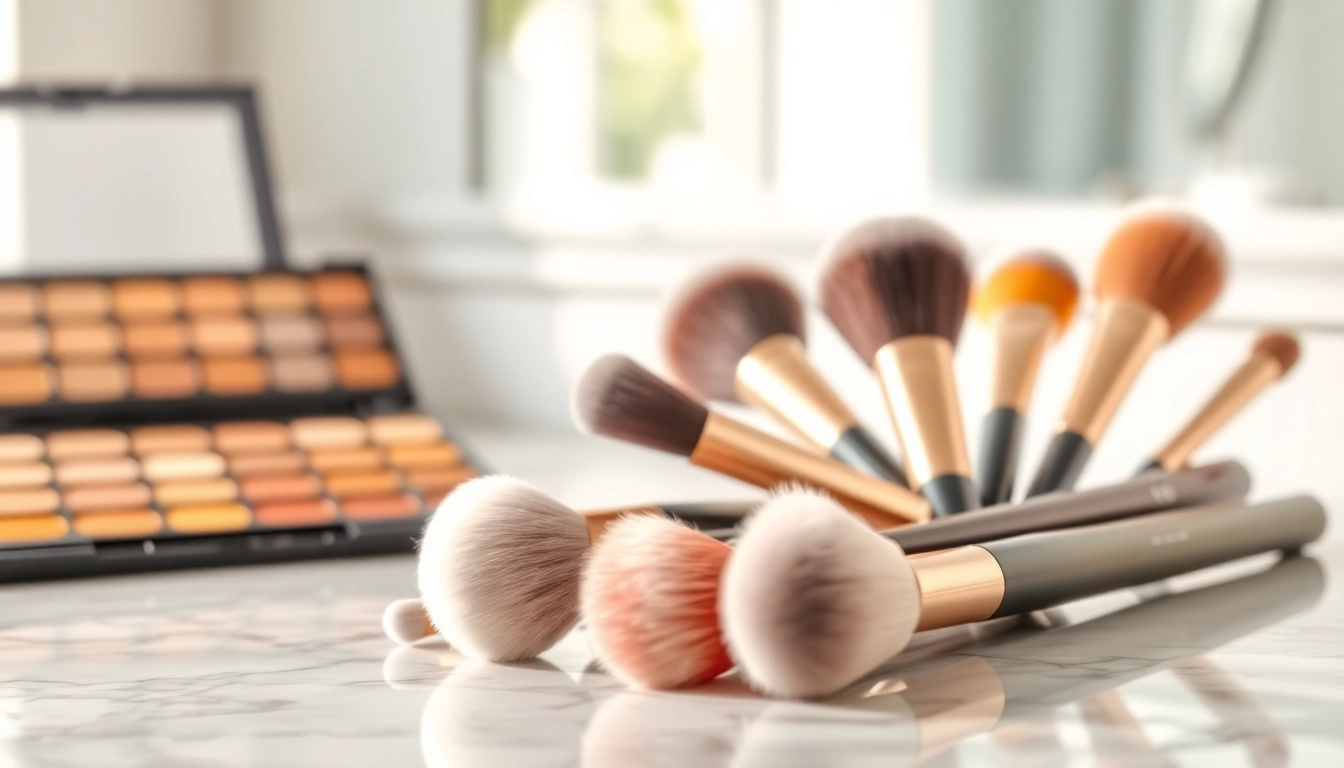
Understanding Makeup Blending Brushes
Defining Makeup Blending Brushes
Makeup blending brushes are indispensable tools in the beauty arsenal of both professionals and enthusiasts alike. These brushes are specially designed to seamlessly blend cosmetics on the skin, creating smooth transitions and a polished finish. Unlike regular brushes, blending brushes feature softer bristles, allowing for gentle application and diffusion of products like eyeshadows, foundations, and creams. Their unique design is essential in achieving a flawless makeup look, making knowledge about makeup blending brushes crucial for any makeup enthusiast.
Types of Makeup Blending Brushes
Choosing the right type of makeup blending brush is crucial for optimal results. Understanding the various forms can greatly influence the effectiveness of your application. Here are some common types:
- Flat Blending Brushes: Characterized by their flat and wide shape, flat blending brushes are ideal for applying and blending eyeshadow on the eyelids.
- Round Blending Brushes: These brushes have a rounded head that is perfect for softening harsh lines and creating a smokey effect.
- Marble Brushes: Featuring a unique swirling bristle design, marble brushes are excellent for blending multiple products together for a customized shade.
- Stippling Brushes: With dual lengths of bristles, stippling brushes are versatile, suitable for both liquid and cream foundations as they allow for a buildable coverage.
Choosing the Right Brush for Your Needs
Selection of a makeup blending brush entails understanding your personal makeup style, the products you use, and your application needs. Here are some factors to consider:
- Product Type: Determine if you’ll be working with liquids, creams, or powders, as each product may require a different brush type for proper application.
- Brush Size: Smaller brushes are ideal for detailed work around the eyes, while larger brushes work best for broader areas on the face.
- Bristle Material: Synthetic brushes are often recommended for cream and liquid products, while natural hair brushes may be suitable for powders due to their ability to pick up product more efficiently.
Techniques for Effective Makeup Application
Basic Blending Techniques
Mastering basic blending techniques will elevate your makeup game and enhance the overall appearance of your look. Here are some fundamental techniques to try:
- Dabbing: A gentle dabbing motion with your blending brush distributes product evenly without disrupting the underlying base.
- Circular Motions: Use small, circular motions to blend products seamlessly, particularly in areas like the crease of the eyelids and cheekbones.
- Feathering: Feathering involves lightly sweeping the brush to soften edges and transitions, creating a soft-focus effect.
Advanced Blending Skills
To take your skills further, here are some advanced blending techniques:
- Gradient Blending: To achieve a gradient effect, start with a dark shade on the outer corners of your eyes and progressively add lighter shades toward the inner corners.
- Layering: Build colors in layers for depth. Start with lighter hues and gradually add darker colors, blending as you go for a more dimensional look.
- Precision Control: Use the tip of the brush for precision in blending smaller areas. This method is particularly useful for intricate tasks like blending eyeliner.
Common Mistakes to Avoid
While practicing blending techniques, it’s essential to avoid these common pitfalls:
- Using Too Much Product: Applying excess product can lead to a cakey appearance. Start small and build gradually.
- Not Cleaning Brushes: Dirty brushes can cause streaks and uneven blending. Regular cleaning is crucial.
- Neglecting the Skin Prep: Failing to prep the skin properly can cause uneven coverage and blending, so always start with a primer or skin moisturizer.
Maintenance and Care of Makeup Blending Brushes
Cleaning Your Brushes Properly
Regular cleaning of makeup blending brushes is essential to maintain hygiene and prolong their longevity. Follow these steps for effective cleaning:
- Use a gentle soap or brush cleaner, as harsh chemicals can damage bristles.
- Rinse bristles under lukewarm water, avoiding the ferrule to prevent loosening.
- Gently swirl the brush in the cleaning solution and rinse until water runs clear.
- Lay brushes flat on a towel to air dry, ensuring the bristles maintain their shape.
Storing Brushes for Longevity
Proper storage of your blending brushes can significantly extend their lifespan. Here are essential tips:
- Keep brushes upright in a holder to prevent bristles from becoming bent.
- Avoid exposing brushes to sunlight for extended periods to prevent bristle deterioration.
- Use dust bags or covers when traveling to prevent damage during transit.
Signs Your Brushes Need Replacement
Even with excellent care, brushes will have a lifespan. Here are signs it’s time for a replacement:
- Shedding: If bristles are falling out frequently, it’s a sign of deterioration.
- Deformed Shape: Brushes that no longer hold their shape or feel scratchy need to be replaced.
- Poor Application: If your brushes aren’t performing as effectively as before, it might be time to invest in new ones.
Top Makeup Blending Brushes on the Market
Best Budget Makeup Blending Brushes
Quality makeup blending brushes don’t have to cost a fortune. Here are some budget-friendly options that perform exceptionally:
- Basic Round Blending Brush: An affordable option suitable for beginners, offering excellent blending capabilities.
- Dual-Ended Blending Brushes: These versatile tools often provide multiple blending options at a lower cost.
- Travel-Friendly Sets: Compact sets usually come with a variety of brush types, offering value without breaking the bank.
Professional Grade Makeup Blending Brushes
For those ready to invest, professional-grade blending brushes can elevate your makeup artistry:
- Luxury Flat Blending Brush: Designed for flawless application, these brushes often feature high-quality materials.
- Customizable Brushes: Brushes that allow you to change bristles or density are favored by professionals for versatility.
- Brushes with Ergonomic Handles: These aids in reducing wrist fatigue during application while providing excellent control.
Eco-Friendly Options
As sustainability in beauty continues to rise, eco-friendly blending brushes are becoming popular:
- Vegan Brushes: Made from synthetic materials, vegan brushes provide an ethical option without compromising quality.
- Recycled Materials: Brushes made from recycled or biodegradable materials help reduce environmental impact.
- Companies with Strong Ethical Practices: Many brands are committed to sustainable practices, making their products worth considering.
FAQs about Makeup Blending Brushes
How often should I clean my makeup blending brushes?
You should clean your makeup blending brushes at least once a week to prevent product buildup and bacteria growth.
Can I use makeup blending brushes for different purposes?
Yes, makeup blending brushes are versatile and can be used for various products like foundations, creams, and powders.
What is the best way to dry my brushes after washing?
Lay your brushes flat on a clean towel to dry naturally, preventing water from damaging the wooden handles.
Are expensive brushes worth the investment?
Higher-priced brushes often feature better materials and craftsmanship, enhancing application and longevity.
How do I know which size brush to choose?
Choose brush sizes based on the areas you’re working on – larger for broader areas and smaller for intricate details.