Understanding Kitchen Worktop Materials Comparison
When it comes to updating or designing your kitchen, the choice of worktop materials is a critical consideration that can significantly affect the overall functionality, aesthetics, and value of your home. A thoughtful Kitchen Worktop Materials Comparison will guide you in selecting the right material that aligns with your needs, lifestyle, and budget.
Why Material Choice Matters
The kitchen is often described as the heart of the home, a place where families gather to cook, eat, and socialize. Because of this, the worktop material you choose should not only suit your cooking style but also complement your kitchen's design. The right material can enhance the kitchen's visual appeal while providing durability and ease of maintenance, ensuring that it withstands the rigors of daily use.
Key Factors in Selecting Worktops
Several factors should influence your decision when choosing a kitchen worktop material:
- Durability: Consider how much wear and tear the surface will undergo based on your cooking habits.
- Maintenance: Some materials require regular upkeep, while others are more forgiving.
- Cost: Budget constraints can narrow down your options.
- Aesthetic Appeal: The material should fit your desired style, whether it's traditional, modern, or eclectic.
- Environment Impact: Consider eco-friendly options that are sustainable and less harmful to the environment.
Common Material Types Explained
The market for kitchen worktops offers a diverse range of materials, each with unique characteristics:
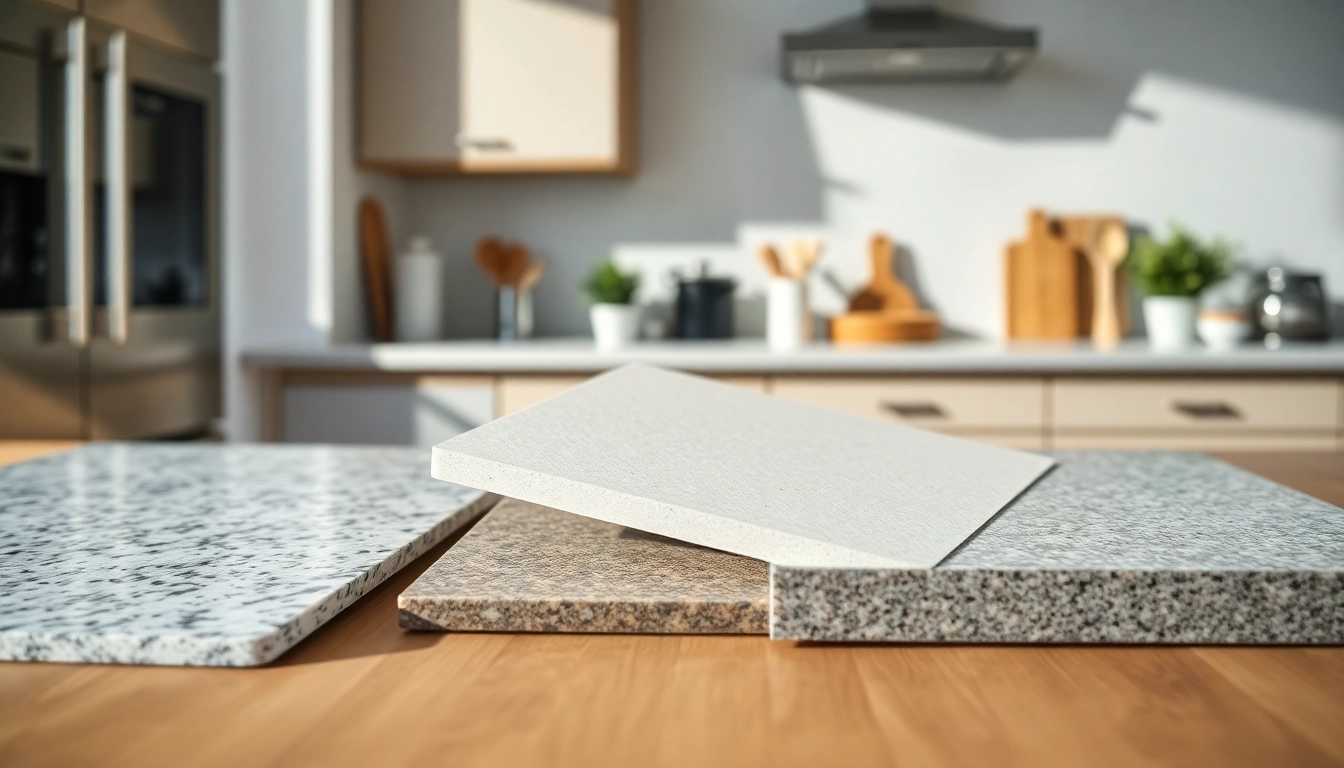
- Natural Stone: Includes granite and marble, known for their beauty and durability.
- Engineered Stone: Quartz is popular for its resilience and variety of designs.
- Laminates: Budget-friendly and available in a range of styles and colors.
- Solid Wood: Adds warmth and character, but requires more upkeep compared to other materials.
- Stainless Steel: Sleek and modern, ideal for professional kitchens but prone to scratches.
Popular Kitchen Worktop Materials
Granite: Pros and Cons
Granite worktops are a longstanding favorite due to their natural beauty and exceptional durability. However, they are not without their downsides:
- Highly durable and resistant to scratches and heat.
- Available in a multitude of colors and patterns.
- Increases the value of your home.
- Requires periodic sealing to maintain its appearance.
- Heavy and may require professional installation.
- Can be expensive compared to other materials.
Quartz: Durability and Aesthetics
Engineered quartz is a rising star in the realm of kitchen worktops. This material offers a combination of durability and aesthetics:
- Non-porous surface resists stains and bacteria.
- Available in a wide range of colors and finishes.
- Low maintenance compared to natural stones.
- Can be less heat resistant than granite.
- Not as unique as natural stone.
- More expensive than laminate options.
Laminates: Budget-Friendly Options
Laminates are commonly chosen for their affordability and variety. They come in numerous designs, mimicking the appearance of more expensive materials:
- Very budget-friendly and widely available.
- Easy to install with countless design options.
- Scratch and stain-resistant finishes are available.
- May not withstand heavy impacts and heat as well as stone.
- Less durable over time, can chip or peel.
- Not a premium feel compared to natural materials.
Comparative Analysis
Cost Effectiveness of Each Material
When considering the overall cost of kitchen Classic Quartz Stone, it’s critical to weigh not only the initial purchase price but also the long-term value. While laminates are the most affordable options upfront, natural stones like granite and quartz offer longevity and could save money over time due to reduced need for replacement. It’s often worthwhile to invest in more expensive materials when considering their durability and aesthetic appeal.
Maintenance and Care Requirements
Maintenance varies greatly among different worktop materials. For instance, granite requires sealing every one to three years to prevent stains, while quartz only requires regular cleaning with soap and water. Laminates can often be wiped clean, but any heavy damage may require replacement. It’s crucial to consider how much time and money you are willing to invest in upkeep when making a choice.
Design Versatility Across Spaces
The material you choose can significantly influence your kitchen’s design versatility. Granite and quartz worktops can accommodate both modern and traditional designs thanks to their range of colors, patterns, and finishes. Laminates offer a nearly infinite array of styles, allowing them to fit into any theme, though they might not carry the same level of prestige. Understanding how your choice complements your overall kitchen design will ensure you make the right selection.
Choosing the Right Material for Your Kitchen
Assessing Your Cooking Habits
Your cooking habits play a vital role in determining the best material for your worktops. If you often engage in heavy cooking with utensils and hot pots, durable options like granite or quartz may be more suitable. Conversely, if you primarily prepare simple meals, a laminate surface could suffice. Take the time to reflect on how you use your kitchen to guide your decision-making process.
Matching with Kitchen Style and Décor
Consider the existing style and décor of your kitchen when selecting worktop materials. For modern kitchens, sleek quartz or stainless steel may create the desired look, while traditional spaces may benefit from the warmth of wooden or natural stone surfaces. Your choice should not only complement your design aesthetic but should also enhance the kitchen's overall atmosphere.
Long-Term Considerations
When selecting a worktop material, it's essential to think long-term. Materials like granite and quartz stand the test of time and can increase your home's resale value. Additionally, consider how trends may shift and whether your choice will remain appealing in the coming years. Assessing the longevity and resale potential of each material can inform your final decision.
FAQs on Kitchen Worktop Materials Comparison
What is the most durable kitchen worktop material?
Quartz is recognized for its durability and low maintenance, making it a sought-after choice for busy kitchens.
How do laminate worktops compare in cost?
Laminate worktops are typically the most cost-effective option, offering a plethora of styles to choose from without breaking the bank.
Can granite withstand heat and scratches?
Yes, granite is both heat-resistant and scratch-resistant; however, it's important to avoid heavy impacts to prevent damage.
What is the best material for a modern kitchen?
Quartz tends to blend modern aesthetics with practical advantages, making it popular in contemporary kitchen designs.
Are natural stones like marble and granite easy to maintain?
While stunning, natural stones may require sealing and specific cleaning products to keep them looking their best.