Understanding the Concept of Coed Summer Camp
What Defines Coed Summer Camp?
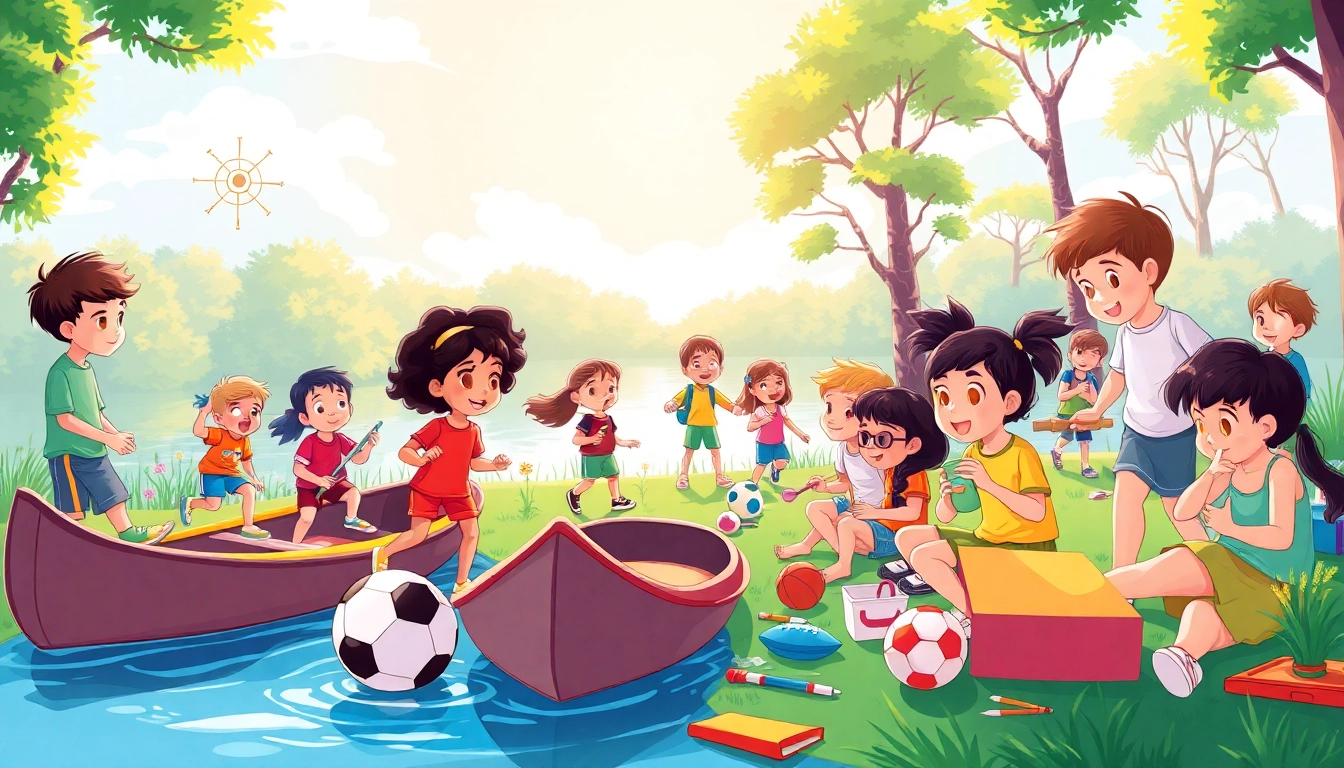
A coed summer camp is an engaging environment where boys and girls participate together in various activities designed to enhance their personal and social development. These camps typically provide a blend of educational and recreational programs that promote teamwork, cooperation, and mutual respect among campers. Instead of segregating by gender, coed summer camps create a mixed-gender setting that mirrors real-world interactions, teaching children how to engage effectively with individuals of the opposite sex in a supportive environment.
The Importance of Gender Interaction
Understanding and interacting with the other gender is crucial for a child's emotional and social development. Coed camps facilitate positive relationships between boys and girls, helping to dismantle gender stereotypes that often persist into adulthood. By learning to communicate and collaborate with each other, campers can develop empathy, understanding, and mutual respect, skills that are invaluable in both personal and professional spheres later in life.
Benefits of Mixed Gender Environments
One of the significant advantages of coed summer camps is that they prepare children for real-world experiences. Campers learn how to share responsibilities, communicate preferences, and resolve conflicts regardless of gender. This practice not only enhances their social skillset but also fosters friendships that may extend beyond the camp experience. Both psychological and social research supports the idea that mixed-gender environments promote inclusivity and reduce anxiety about opposite-gender interactions, establishing a more cohesive group dynamic.
Activities Commonly Offered at Coed Summer Camps
Outdoor Adventures: From Hiking to Canoeing
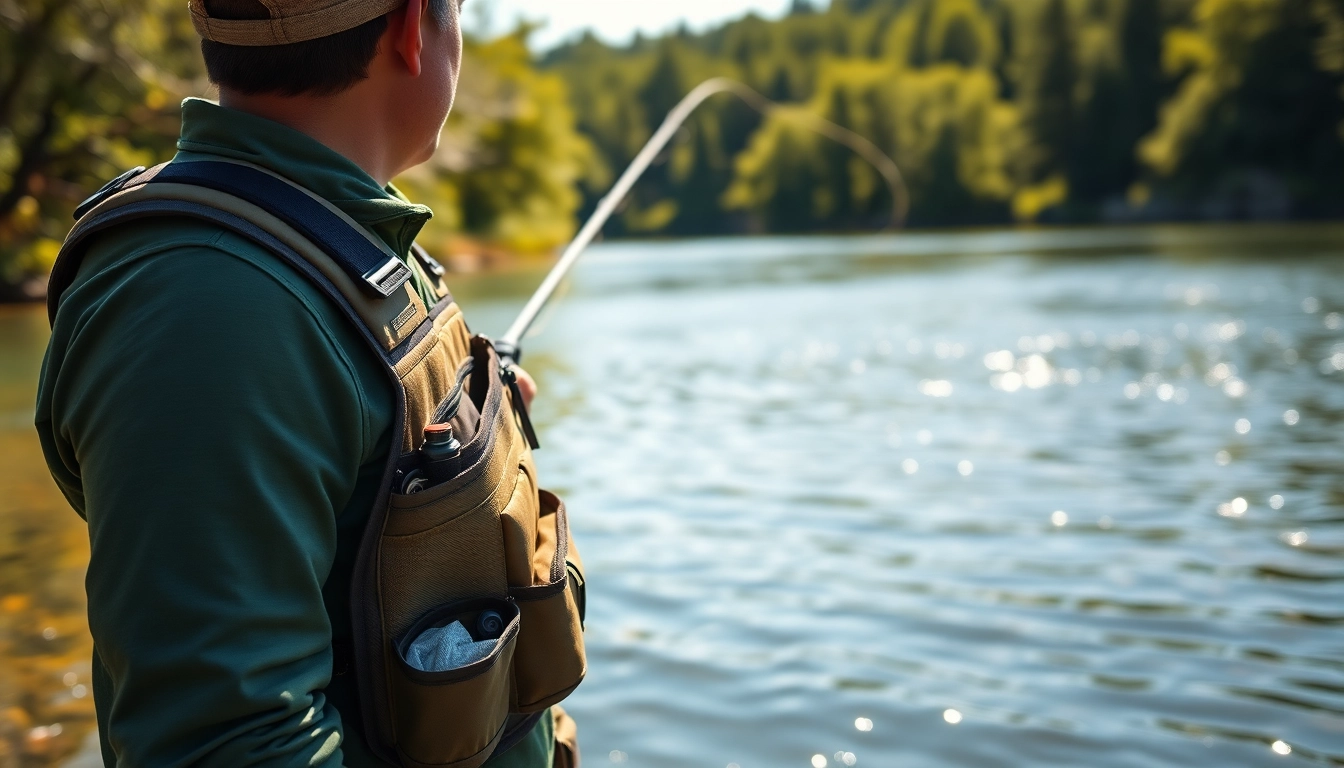
Outdoor activities are a staple of coed summer camps. Hiking, canoeing, and rock climbing not only promote physical fitness but also encourage teamwork and communication. These activities help campers learn to trust one another, solve problems used by nature's challenges, and experience the joys of exploration together. Whether navigating through wooded trails or paddling across a serene lake, each moment offers campers opportunities for bonding and developing an appreciation for the environment.
Sports and Team Building Activities
Organized sports play a significant role in fostering camaraderie in coed summer camps. Through team-based activities like soccer, basketball, or even non-traditional games such as capture the flag, campers learn how to work as a unit, strategize, and support one another. The competitive yet fun nature of these activities cultivates lifelong friendships while instilling values of fairness, sportsmanship, and resilience.
Creative Arts: Workshops and Crafts
Coed summer camps often incorporate creative arts programs that allow campers to express their individuality and creativity. Workshops in painting, music, dance, and crafts enable children to explore their artistic sides while collaborating with peers. These creative outlets provide a unique way for campers to bond, resulting in shared experiences that strengthen their friendships. Additionally, creativity can foster problem-solving skills and boost self-confidence, contributing to personal growth.
Social Skills and Life Lessons Learned
Building Friendships Across Gender Lines
Friendships formed in coed summer camps often defy traditional gender norms. By fostering interactions among boys and girls, campers learn to appreciate each other’s perspectives and qualities. This exposure to diverse personalities creates a culture of respect that encourages children to form deeper connections that transcend gender biases. As a result, they cultivate a support network that can last far beyond their time at camp.
Developing Communication Skills
Effective communication is essential for success in various life aspects. In a coed summer camp setting, campers have countless opportunities to engage in conversations with peers from different backgrounds and genders. From negotiating team roles during sports to collaborating on art projects, learning to articulate thoughts and feelings is vital. The ability to express oneself and listen to others cultivates dialogue and fosters understanding, valuable skills in all relationships.
Encouraging Team Collaboration
Coed summer camps emphasize the importance of collaboration and teamwork. Campers are often assigned to work on joint projects or activities that require shared goals. This collaborative aspect teaches children how to embrace and value teamwork, celebrate collective achievements, and navigate challenges together. By working side by side with their peers, campers learn to compromise and find solutions, essentials for their future academic and professional endeavors.
Choosing the Right Coed Summer Camp
Factors to Consider When Selecting a Camp
When selecting a coed summer camp, parents should consider various factors, including location, camp size, the qualifications of staff, reputation, and the range of available activities. Engaging with other parents, researching reviews, and visiting potential camps can provide insights to ensure a suitable and enriching experience for their child. Parents should also consider whether the camp's values align with their family's beliefs and emphasize inclusivity and respect.
Researching Camp Activities and Staff
A camp’s offerings can be a decisive element in choosing the right environment. Parents should investigate the specific activities provided and evaluate how they promote both individual interests and collaborative experiences. Furthermore, the expertise and training of staff members are crucial in ensuring a safe and supportive environment for children. Knowledgeable and empathetic counselors enhance the camp experience through positive engagement and guidance.
Assessing Camp Environment and Safety
The overall atmosphere and safety of a camp should be significant concerns for parents. A welcoming environment that fosters inclusivity can significantly impact a child's experience. Additionally, camp facilities, health and safety protocols, and emergency preparedness are essential considerations. Parents should look for camps with a clear commitment to health guidelines that prioritize the well-being of all campers.
Frequently Asked Questions about Coed Summer Camp
What age groups are typically represented at coed summer camps?
Coed summer camps typically cater to a wide range of ages, often from 6 to 16 years old. This diversity allows for a rich social experience across different maturity levels.
Are coed summer camps more beneficial for social development?
Yes, coed summer camps promote social development by allowing children to interact with peers of the opposite gender, helping break down stereotypes and build confidence.
How can parents choose the best coed summer camp?
Parents should consider factors such as camp activities, staff qualifications, safety protocols, and the overall camp philosophy when selecting a coed summer camp for their child.
What types of activities are popular in coed summer camps?
Popular activities include outdoor adventures like hiking and canoeing, sports, team-building exercises, creative arts, and crafts that cater to a diverse range of interests.
How can campers balance friendships with opposite genders?
Campers can balance friendships by engaging in open communication, participating in shared activities, and fostering an inclusive and respectful environment during their camp experience.