If you are looking to transform your living spaces with a natural aesthetic, you might consider the enchanting allure of wood wall planks. These versatile design elements provide an organic touch that can elevate any room, enhancing both functionality and visual appeal. In this comprehensive guide, we will explore the various aspects of wood wall planks, including their benefits, types, installation processes, maintenance, and answers to frequently asked questions, all aimed at helping you make informed decisions that will bring your design dreams to life.
Understanding Wood Wall Planks
What are Wood Wall Planks?
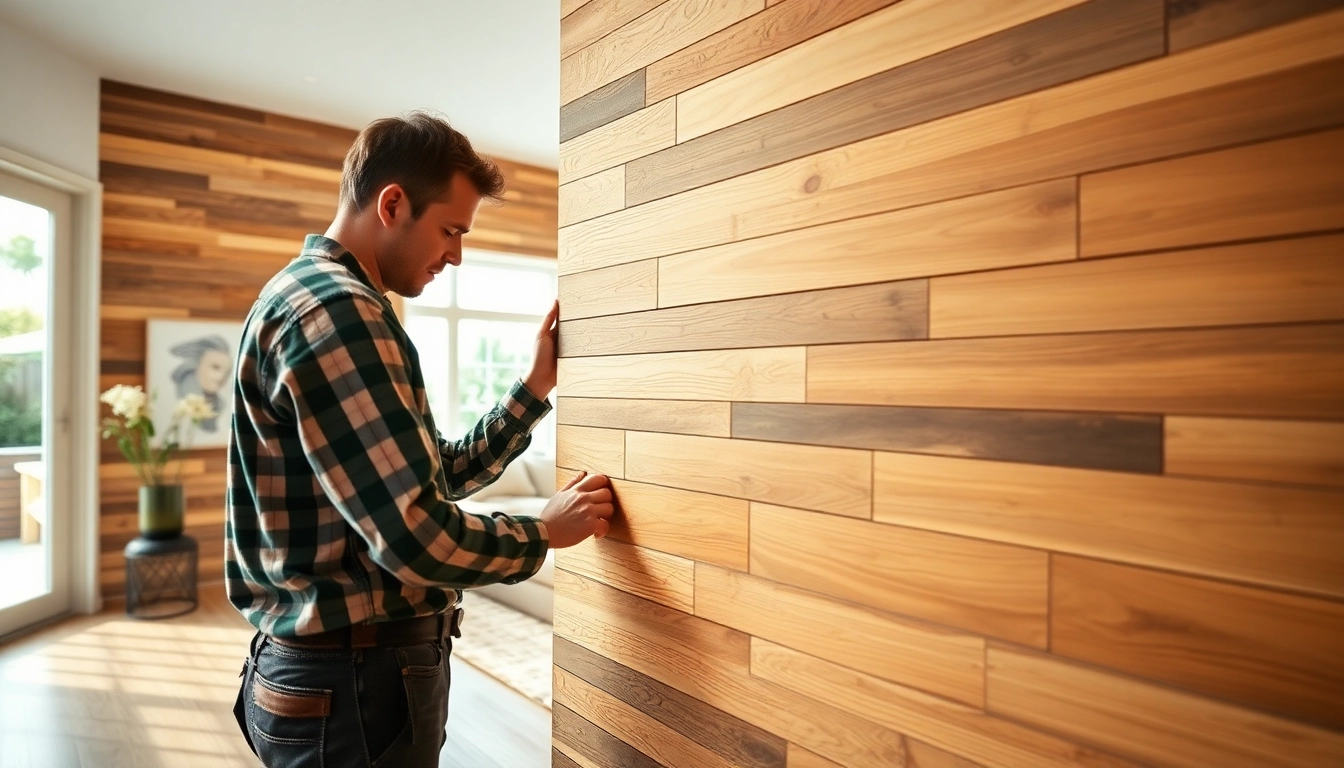
Wood wall planks are thin, flat pieces of wood that are fitted together to create a panelized surface on walls, ceilings, or other structures. Available in various styles, finishes, and wood types, they serve both aesthetic and functional purposes. Commonly made from hardwoods and softwoods, these planks can be stained, painted, or left in their natural state, offering a variety of looks to suit different design themes, from rustic to modern.
Benefits of Using Wood Wall Planks
Utilizing wood wall planks in your home or office offers numerous advantages:
- Aesthetic Appeal: Wood wall planks add warmth and character, creating a cozy atmosphere.
- Versatility: They can be used in different areas, like living rooms, bedrooms, and even commercial spaces.
- Enhancing Acoustics: Wood absorbs sound, making spaces quieter and more comfortable.
- Insulation Properties: Wood has natural insulating properties that can help regulate temperature.
- Eco-Friendliness: When sourced sustainably, wood wall planks can be a green choice for your decor.
Types of Wood Wall Planks Available
Wood wall planks come in several varieties, each offering unique characteristics:
- Raw Wood Planks: These are untreated and provide a natural look, allowing for custom finishes.
- Prefinished Planks: These come with a protective coating, making them easier and quicker to install.
- Engineered Wood Planks: Constructed from multiple layers, these planks are more stable and resistant to warping.
- Reclaimed Wood Planks: Sourced from old structures, these planks boast unique textures and histories.
Choosing the Right Wood Wall Planks
Factors to Consider Before Buying
When selecting wood wall planks, consider the following factors:
- Purpose: Determine the primary function of the planks, whether for aesthetic purposes or added insulation.
- Wood Type: Different species have varying colors, grain patterns, and durability.
- Finish: Choose a finish that aligns with your design vision and maintenance preferences.
- Color: Ensure that the color complements your existing decor and color scheme.
- Budget: Factor in not only the cost of the planks but also installation and finishing expenses.
How to Match Wood Wall Planks with Your Decor
Matching wood wall planks with your home decor involves understanding your overall design style:
- Rustic: Mix reclaimed wood planks with vintage furniture for a charming look.
- Modern: Opt for sleek, prefinished planks in lighter shades to enhance minimalism.
- Country: Use distressed wood and warm tones to create a cozy cabin feel.
- Industrial: Pair dark-stained wood with metal accents for a contemporary vibe.
Popular Wood Varieties for Aesthetics
Different wood varieties bring distinctive aesthetic qualities:
- Oak: Known for its strength and attractive grain, oak is a classic choice.
- Pine: Light in color, pine is budget-friendly and easy to work with.
- Maple: Offers a smooth surface and a light hue, ideal for a contemporary look.
- Cedar: Naturally aromatic and resistant to decay, perfect for moisture-prone areas.
Installation Guide for Wood Wall Planks
Tools and Materials Needed
Before starting your installation, gather the necessary tools and materials:
- Tools: Level, measuring tape, saw, drill, hammer, cleat nailer.
- Materials: Wood wall planks, adhesive (if necessary), trim for finishing, and safety gear.
Step-by-Step Installation Process
- Preparation: Choose and prepare the wall surface by cleaning and measuring for planks.
- Layout: Determine the layout pattern (horizontal, vertical, diagonal) and mark guidelines.
- Cutting Planks: Cut the planks to the desired lengths based on your measurements.
- Installing Planks: Begin from a corner or center, applying adhesive and nailing down the planks.
- Finishing Touches: Add trim and fill in gaps as necessary for a polished look.
Common Mistakes to Avoid During Installation
To ensure a smooth installation, be mindful of these common pitfalls:
- Neglecting Surface Prep: Skipping wall preparation can lead to poor adhesion.
- Inconsistent Measurements: Always double-check measurements to avoid miscuts.
- Ignoring Expansion Joints: Leave gaps for expansion to prevent warping over time.
- Over-Tacking Planks: Overusing nails can lead to split wood and an uneven finish.
Maintenance Tips for Wood Wall Planks
Cleaning and Care Guidelines
Regular maintenance is key to preserving the beauty of your wood wall planks:
- Dusting: Use a soft cloth or duster to remove dust regularly.
- Cleaning: Use a damp cloth with a gentle cleaner for deeper clean, avoiding excessive moisture.
- Avoiding Harsh Chemicals: Steer clear of bleaches and solvents that can damage the finish.
Repairing Damages on Wood Wall Planks
Over time, wear and tear may occur. Here’s how to handle damage:
- Scratch Repair: Use a wood filler or crayon matchstick to blend scratches with the surface.
- Panel Replacement: If a plank is severely damaged, it may need to be replaced entirely.
- Refinishing: Sanding and re-staining can restore tired-looking planks.
Preventing Moisture Damage
Moisture can be detrimental to wood wall planks. Implement preventive measures like:
- Humidity Control: Maintain indoor humidity between 30-50% to reduce swelling.
- Sealing Joints: Use caulk around edges to prevent moisture infiltration.
- Ventilation: Ensure proper airflow in humid areas such as bathrooms or kitchens.
Frequently Asked Questions
Are wood wall planks eco-friendly?
Yes, wood wall planks can be eco-friendly if sourced from sustainable forestry practices, ensuring minimal environmental impact.
How long do wood wall planks typically last?
When properly maintained, wood wall planks can last several decades, providing enduring beauty and functionality.
Can I install wood wall planks myself?
Yes, many homeowners can install wood wall planks as a DIY project with the right tools and a bit of patience.
What finishes can I apply to wood wall planks?
You can apply various finishes, including stains, sealants, paints, or oils, depending on desired aesthetics and protection level.
Can wood wall planks be used in bathrooms?
While wood wall planks can be used in bathrooms, it’s essential to choose moisture-resistant varieties and ensure proper sealing.