Overview of Plastic Injection Molding Machines
Plastic injection molding machines are crucial in the manufacturing sector, transforming raw plastic pellets into a multitude of products through a process that melds heat and pressure. This advanced technology enables the production of high-quality, complex shapes suitable for various industries, from automotive to consumer goods. In recent years, the demand for plastic injection molding machines has surged as businesses seek efficient, sustainable solutions for their production needs.
What is a Plastic Injection Molding Machine?
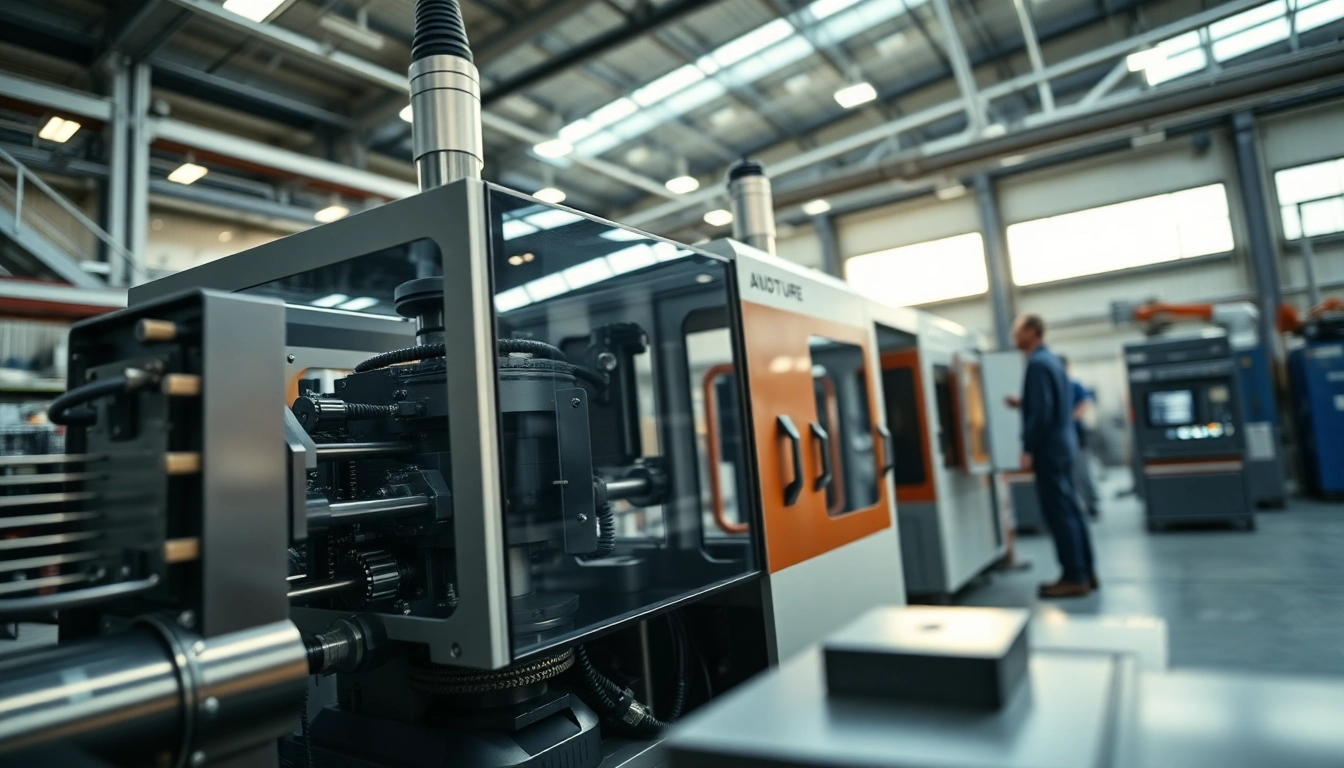
A plastic injection molding machine is a sophisticated piece of equipment designed to convert plastic materials into finished products by heating, melting, and injecting the plastic into a mold. This process allows for the creation of intricate designs and high-volume production, making it a cornerstone of modern manufacturing. The machine consists of several key components, including:
- Hopper: The reservoir for raw plastic pellets before they are heated.
- Screw: A rotating mechanism that transports the pellets through the heating zone, melting them as they move.
- Heating Elements: These components heat the plastic to its melting point.
- Mold: The cavity that shapes the plastic into the desired form.
- Clamping Unit: Applies pressure to keep the mold closed during the injection process.
Key Components and Their Functions
The performance of a plastic injection molding machine heavily relies on its components, each playing a vital role in the production cycle. The screw, for example, not only helps in melting the plastic but also ensures it is homogeneously mixed before injection. The clamping unit is vital for maintaining the integrity of the mold during the injection phase, preventing leaks and inaccuracies. Understanding these components is essential for manufacturers when choosing the right machine for their production requirements.
Types of Plastic Injection Molding Machines
There are several varieties of plastic injection molding machines, each tailored for specific applications:
- All-Electric Machines: These machines, like the Topstar TEII Series, offer energy efficiency and precision. They are ideal for manufacturers looking to minimize their carbon footprint.
- Hydraulic Machines: These machines use hydraulic pressure for injection, suitable for large-scale production but may consume more energy compared to electric options.
- Hybrid Machines: Combining elements of both electric and hydraulic machines, hybrid machines provide versatility and efficiency.
Benefits of Electric Injection Molding Machines
Electric injection molding machines have gained popularity in recent years due to their numerous advantages, making them a desirable choice for many manufacturers.
Energy Efficiency and Sustainability
One of the standout features of electric injection molding machines is their energy efficiency. By utilizing electric drives instead of hydraulic systems, these machines consume significantly less power during operation. This not only reduces operational costs but also aligns with global sustainability goals. Manufacturers can greatly benefit from a reduced carbon footprint while still achieving high production rates.
Precision and Consistency in Production
Electric machines excel in producing consistent and precise parts. They maintain tight tolerances and repeatability, essential for industries such as automotive and electronics, where component specifications can be critical. With advanced control systems, manufacturers can fine-tune the injection process to ensure optimal performance.
Cost-Effectiveness in the Long Run
While the initial investment for electric injection molding machines may be higher than hydraulic models, the long-term savings on energy, maintenance, and improved productivity make them a cost-effective choice. Lower operational costs and fewer mechanical breakdowns contribute to a better return on investment over time.
Choosing the Right Injection Molding Machine for Your Needs
Selecting the appropriate injection molding machine is pivotal for manufacturers aiming to optimize production efficiency. Here are essential factors to consider:
Assessing Production Requirements
Understanding your production volume, the complexity of the parts, and cycle times is crucial. Manufacturers should evaluate if their needs align better with electric, hydraulic, or hybrid machines. For instance, those focusing on high precision and low volume might prefer electric machines, whereas large production runs might benefit from hydraulic systems.
Evaluating Machine Specifications and Features
When assessing options, consider key specifications such as clamping force, injection speed, and the types of molds compatible with the machines. Additionally, features like user-friendly interfaces and automation capabilities can greatly enhance operational efficiency.
Cost Considerations and Budgeting for Investment
It's essential to budget for both initial costs and ongoing operational expenses. Manufacturers should conduct a thorough cost-benefit analysis, taking into account not only the purchase price but also the expected longevity, maintenance costs, and energy consumption of the machines.
Best Practices for Operating and Maintaining Injection Molding Machines
Efficient operation and regular maintenance of injection molding machines are critical to ensuring longevity and optimal performance. Adhering to best practices can minimize downtime and enhance productivity.
Routine Maintenance and Troubleshooting Tips
Regular maintenance checks are essential to identify potential issues before they escalate. Manufacturers should implement a routine maintenance schedule that includes:
- Regular inspection of the clamping unit and injection components.
- Lubricating moving parts to reduce wear and tear.
- Calibrating the machine to ensure optimal performance.
Optimizing Production Processes
Utilizing advanced software and monitoring systems can help in optimizing production processes. By employing real-time data analysis, operators can identify inefficiencies and make adjustments swiftly, ensuring consistent product quality.
Utilizing Technology for Enhanced Performance
Incorporating technologies such as automation and robotics can significantly improve production efficiency. For example, integrating robotic arms with plastic injection molding machines can streamline processes like part removal and assembly, reducing cycle times and increasing output.
Future Trends in Plastic Injection Molding Machines
The plastic injection molding industry is on the brink of transformation, driven by technological advancements and changing market demands.
Advancements in Automation and Robotics
The integration of robotics and automation in injection molding processes is set to revolutionize production environments. Automated systems can enhance accuracy, speed, and flexibility, allowing manufacturers to adapt to changing consumer demands and support just-in-time production strategies.
Emerging Materials and Their Impact
As industries increasingly demand sustainable options, new materials such as bio-based plastics and recycled materials are gaining traction. Injection molding machines will need to adapt to process these materials effectively, requiring innovations in equipment design and operation.
Predictions for the Injection Molding Industry by 2025
By 2025, it is anticipated that the injection molding industry will continue to embrace sustainability and efficiency. Manufacturers will likely prioritize machines that minimize waste and energy usage, while innovations in artificial intelligence will facilitate smarter manufacturing processes, enabling real-time adjustments and continuous improvement.