Understanding the Kora: History and Significance
The Origins and Evolution of the Kora
The kora, a 21-string lute-bridge-harp, holds a prominent position in the landscape of West African music. Its origins can be traced back to the Mandinka people of Mali, where it is believed to have been developed around the 13th century. The instrument is a vital element of the griot tradition—music historians and storytellers who preserve the oral histories of their communities through melodious narratives. The kora combines elements of both string and percussion instruments, producing a rich, resonant sound that has captivated audiences for centuries.
Traditionally, koras were constructed from calabash gourds and animal skins. Over the years, the craftsmanship of kora makers has evolved, integrating different materials that enhance the instrument's acoustic properties. In contemporary settings, the kora has crossed geographical and cultural boundaries, gaining recognition on global stages. The evolution of the kora reflects the adaptability of African cultures and has paved the way for innovative fusions that marry traditional sounds with modern musical influences.
Cultural Variations in Kora Music
While the kora is iconic to the Mandinka culture, its variations can be found in various West African regions. For instance, in Senegal, the kora often accompanies the sabar drum, creating an invigorating blend of rhythm and melody. Similarly, in Guinea, the instrument is employed in celebratory contexts such as weddings and significant cultural ceremonies, where its melodious tones help narrate stories of valor and heritage. Each cultural context imbues the music with unique characteristics, fostering a rich tapestry of styles under the broader umbrella of kora music.
The Role of the Kora in West African Traditions
The kora serves not just as a musical instrument but as a cultural emblem. In West Africa, it plays a pivotal role in social ceremonies, including births, funerals, and marriage celebrations. Griots use the kora to pass down ancestral wisdom and convey communal values, ensuring the history of families and clans is preserved through song. Furthermore, the kora's versatility lends itself to various genres, from traditional folk to contemporary fusion, making it a staple in both informal gatherings and formal events.
The Kora Live Experience: What to Expect
Live Performances: Community Engagement and Interaction
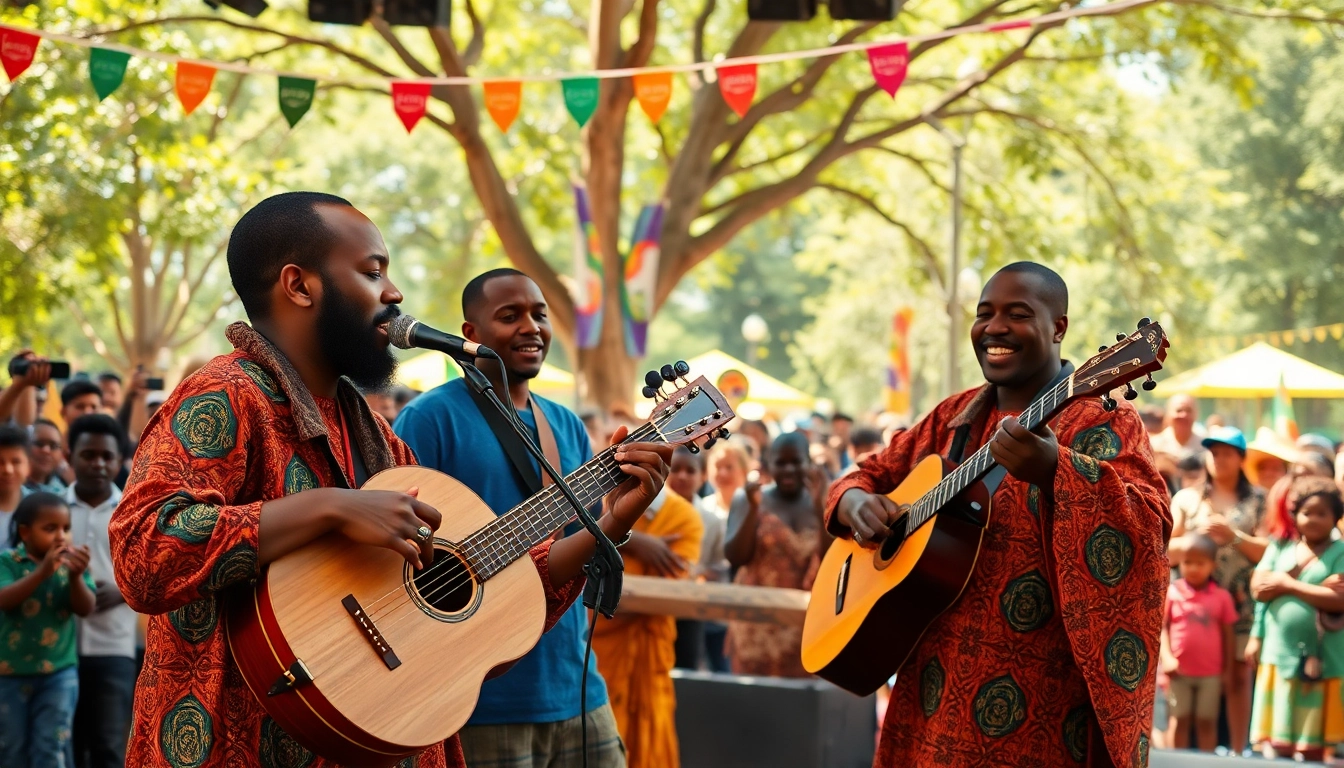
Attending a kora live performance provides more than just auditory pleasure; it is an immersive experience that fosters community engagement. Live performances often encourage participation from the audience, inviting them to clap, sing, and interact with performers. This participatory aspect enhances the sense of community and connection, drawing both seasoned fans and newcomers alike into the performance.
Moreover, many kora players, or griots, recount vivid histories and stories between songs or during instrumental interludes, transforming each performance into an interactive storytelling journey filled with emotion and cultural resonance. These performances celebrate the essence of togetherness and cultural identity, making them an integral part of the kora experience.
Setting the Stage: Venue Selection for Kora Events
The choice of venue can greatly influence the kora live experience. Ideally, venues with excellent acoustics that are conducive to stringed instruments serve to enhance the sound quality of the kora's intricate melodies. Traditional spaces such as community halls or outdoor amphitheaters are popular choices, as they not only provide an intimate ambiance but also allow for a larger diverse audience to partake in the festivities. Venues that reflect local culture—be it through art, architecture, or community vibes—can greatly augment the music’s impact, offering attendees a holistic cultural experience.
What Makes Kora Live Events Unique
The uniqueness of kora live events often lies in their authenticity and cultural context. Unlike many modern concerts that prioritize staging and elaborate productions, kora events focus on the music and cultural storytelling. Performances often take place in informal settings where the audience can engage with the artist on a personal level, leading to spontaneous collaborations among musicians or communal performances involving locals. This organic interaction brings the music to life and turns each performance into a unique event, marked by the spontaneity and energy of the moment.
How to Promote Kora Live Events Effectively
Marketing Strategies for Live Performances
Effective promotion of kora live events hinges on well-crafted marketing strategies that resonate with the target audience. Begin with creating an identity that embodies the spirit of the performance. Utilize visual storytelling through vibrant posters, engaging social media content, and enticing videos that capture the energy and cultural significance of the kora.
Collaborating with local businesses or cultural organizations can further extend outreach, leveraging their networks to connect with potential attendees. Additionally, crafting compelling narratives around the artists, their backgrounds, and the stories embedded in their music can imbue the event with deeper significance, encouraging attendance and engagement.
Utilizing Social Media for Event Promotion
In today’s digital age, social media serves as a powerful tool for promoting kora live events. Platforms such as Instagram, Facebook, and TikTok can be harnessed to share sneak peeks, artist interviews, and behind-the-scenes footage that draw in audience interest. Establishing event pages on Facebook allows for easy sharing and invites, while Instagram Stories can provide real-time updates and excitement leading up to the event.
Furthermore, hosting live Q&A sessions with artists or offering exclusive giveaways can enhance engagement, fostering a community around the event that encourages participation and word-of-mouth promotion. Engaging storytelling combined with effective visual content can significantly amplify event visibility and resonance.
Engaging with Local Communities and Influencers
To successfully promote kora live events, engaging with local communities and influencers is paramount. Consider reaching out to community organizations, cultural associations, and local influencers passionate about West African culture. Building partnerships with individuals who have established relationships in the community can help amplify your message effectively. Influencers can share content about the upcoming event with their followers, broadening your audience base significantly.
Additionally, hosting pre-event workshops or music demonstrations in collaboration with local schools and community centers helps to build familiarity with the kora and its significance, generating buzz within the community and laying the groundwork for increased attendance on the event day.
Tips for Organizing a Successful Kora Live Event
Logistics: Planning and Execution
The success of any kora live event hinges on meticulous planning and execution. Begin by outlining a clear timeline and checklist that encompass all elements—from securing the venue to coordinating with performers and logistical arrangements like sound systems and lighting. Ensure you establish a reasonable budget that accounts for all your expenses, leaving some cushion for unexpected costs that may arise.
It’s also crucial to create a detailed day-of-event schedule that includes sound checks, set times, and volunteer assignments. Collaborating with a dedicated team ensures that tasks are executed efficiently, enhancing the smooth flow of operations on the event day.
Collaborating with Musicians and Local Artists
Collaboration is a cornerstone of successful kora live events. Engage not only established kora musicians but also local artists who can add depth and diversity to the performances. Consider including traditional dancers, percussionists, or vocalists who can enrich the event, providing attendees with a multifaceted cultural experience.
Moreover, fostering mentorship opportunities between seasoned musicians and emerging artists can create nurturing environments conducive to artistic development and community growth. Engage with performers about their visions for the event, encouraging creativity in crafting a unique performance that celebrates shared stories and cultural heritage.
Creating a Memorable Audience Experience
Creating an unforgettable audience experience goes beyond the music itself. Carefully consider all elements that contribute to the overall experience—from the ambiance of the venue to refreshments or food stalls that reflect local tastes. Interactive exhibits showcasing the history and craftsmanship of the kora could provide attendees with a deeper appreciation for the instrument. Engage the audience through activities that invite them to learn about the kora or even try their hand at playing it.
Furthermore, post-event engagement, such as follow-up surveys or social media engagement, helps understand audience perceptions while building a community eager for future performances. By prioritizing audience engagement both during and after the event, organizers can optimize future events and cultivate a loyal following.
Measuring Success: Evaluating Kora Live Events
Key Performance Indicators (KPIs) for Live Shows
To gauge the success of kora live events, organizers need to identify and measure specific Key Performance Indicators (KPIs). Key metrics could include audience turnout, ticket sales, and revenue generated against expenditure. Additionally, gathering qualitative data through audience feedback can reveal insights about their satisfaction levels, which events were most impactful, and suggestions for improvement.
Social media engagement rates—likes, shares, and comments—serve as additional indicators of how well the event resonated with the audience and may also reflect the effectiveness of marketing strategies. Tracking these KPIs equips organizers with critical information to refine future events for greater impact.
Feedback Mechanisms to Improve Future Events
Implementing robust feedback mechanisms serves as an invaluable tool for understanding audience experiences and preferences. Utilizing post-event surveys provides structured insights into audience perception and satisfaction. Consider asking questions about various elements, including performance quality, venue ambiance, and overall enjoyment.
Additionally, informal discussions with attendees during and after the event can yield nuanced feedback that structured surveys might miss. This qualitative data can help identify elements that worked well or require enhancement, ensuring that future events resonate deeply with the community's needs and desires.
The Impact of Kora Live on Cultural Awareness
Kora live events play a vital role in promoting cultural awareness and appreciation for West African heritage. They serve as platforms for sharing stories and educating diverse audiences on the historical and cultural contexts surrounding the kora and the music it produces. By showcasing the instrument's beauty and versatility, these performances facilitate cultural exchange, bridging gaps between communities and encouraging dialogue through the universal language of music.
Moreover, frequent kora live events can stimulate local economies, promote cultural tourism, and spark interest in the developing arts scene within communities. As more people embrace the kora, the narratives woven into its strings will continue to thrive, fostering a vibrant cultural tapestry that remains alive across generations.