Understanding Fly Fishing for Bass
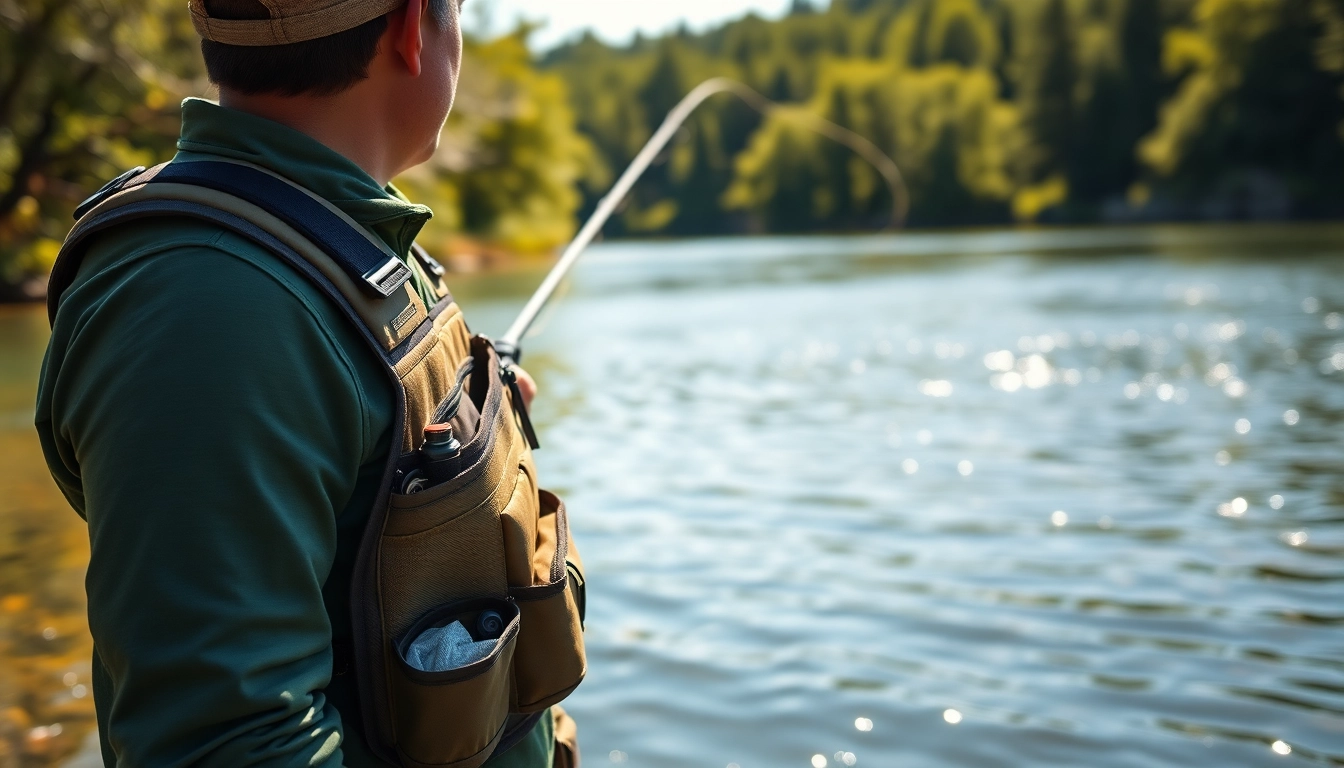
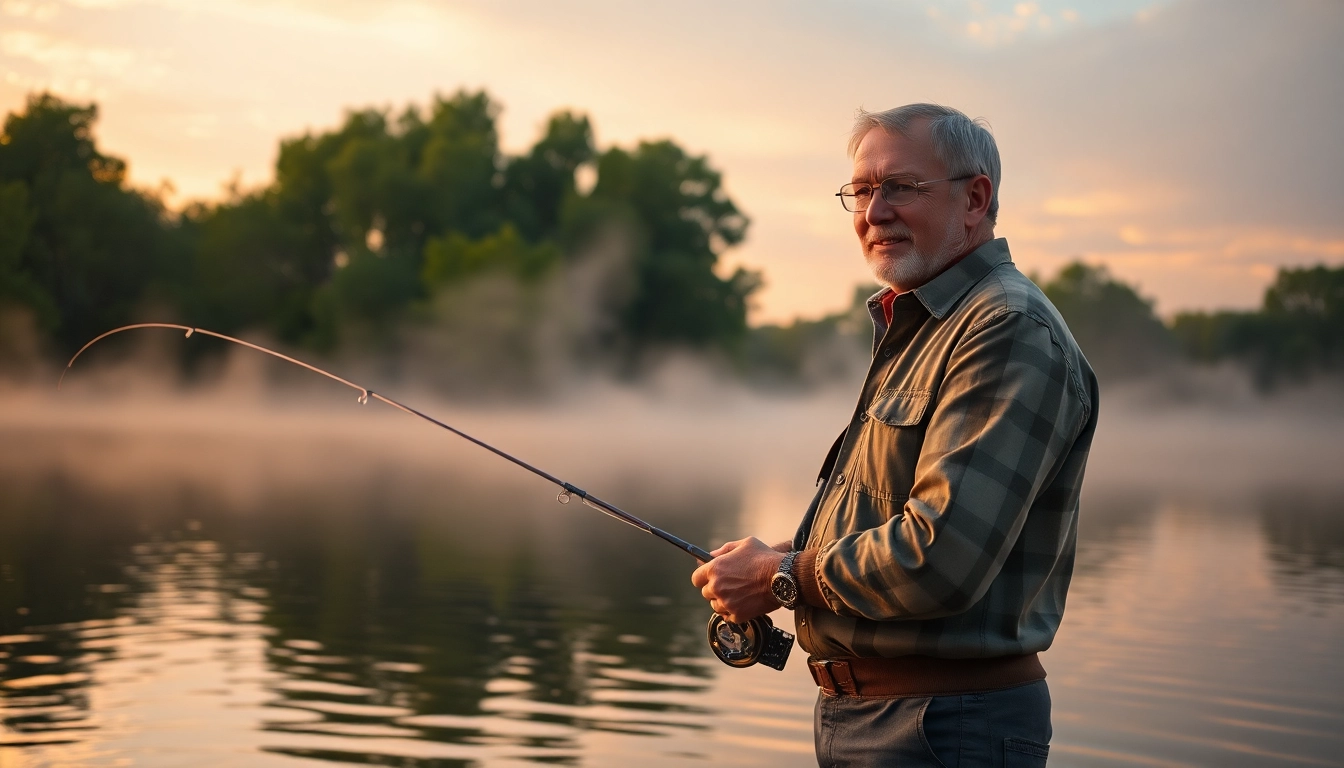
For many anglers, Fly fishing for bass represents not just a hobby, but a passion that marries skill, patience, and instinct. This unique fishing method taps into the behavioral nuances of bass, allowing anglers to engage with these fish in ways that traditional angling methods often overlook. Fly fishing for bass is about more than just catching fish; it's about experiencing the environment, challenging oneself, and honing one's skills to perfection.
What Makes Fly Fishing Unique
At its core, fly fishing is a method that relies on lightweight artificial flies, rather than traditional lures or bait, to entice fish to bite. This requires specific equipment and techniques that differ from conventional fishing methods:
- Weightless Flies: Flies are crafted to float on the surface or sink with minimal resistance. This demands different casting mechanics and a keen understanding of presentation.
- Delicate Approaches: Unlike traditional fishing techniques that may rely on heavy tackle and aggressive retrieval methods, fly fishing encourages a more subtle and delicate approach.
- Increased Engagement: Fly fishing often necessitates active engagement with the environment, as anglers must adjust their tactics based on conditions, bass behavior, and time of year.
Comparison: Fly Fishing for Bass vs. Traditional Fishing
Understanding the differences between fly fishing for bass and traditional fishing methods can greatly enhance one's effectiveness on the water. Here are some key distinctions:
- Tackle Variability: In fly fishing, the rod, reel, and line specifications cater to the type of flies used, which is not the case in traditional fishing where gear is often chosen based on the species targeted.
- Fishing Technique: Fly fishing involves casting techniques like the roll cast or double haul, which require practice and finesse, while traditional fishing often involves simple cast and retrieve methods.
- Environment Interaction: Fly fishing allows for exploration in shallower waters, often leading to interactions with various aquatic life forms and a deeper connection with nature.
Common Bass Species Nationally
Bass fishing isn't just limited to one species; various types are targeted across the United States. The most commonly pursued bass species include:
- Largemouth Bass: These fish thrive in warmer waters and are noted for their aggressive feeding habits.
- Smallmouth Bass: Often found in cooler, rocky environments, smallmouth bass are prized for their fighting ability and beautiful coloration.
- Spotted Bass: A hybrid of the other two species, spotted bass are known for their adaptability to various habitats and conditions.
Essential Gear for Fly Fishing for Bass
Choosing the right gear is crucial in ensuring the success of your fly fishing endeavors. The right equipment not only affects your comfort but also your effectiveness in catching bass.
Choosing the Right Fly Rod and Reel
When selecting a fly rod for bass fishing, consider the following:
- Rod Weight: A rod rated for 6 to 8 weight is ideal. Largemouth bass may require heavier gear, whereas smallmouth can be targeted with lighter setups.
- Length: A 9-foot rod is a versatile choice, providing good casting distance and line control.
- Reel Selection: A large arbor reel with a strong drag system is necessary to combat the aggressive nature and size of bass.
Understanding Fly Lines and Leaders
Fly lines are available in various types, each suited to different conditions:
- Floating Lines: Best for surface-oriented fishing or topwater flies.
- Sinking Lines: Necessary for fishing deeper water or submerged structures where bass often lurk.
Leaders and tippets should be strong enough to handle bass but thin enough to maintain a natural presentation of the fly—generally, a 0x to 1x tippet is suitable for bass fishing.
Must-Have Flies for Effective Bass Fishing
Your fly selection can significantly influence your success. Here are some effective types of flies for bass:
- Poppers: Ideal for surface action, these flies simulate the movement of wounded prey to entice aggressive bites.
- Streamers: Perfect for mimicking the appearance of baitfish, they can be retrieved quickly to provoke strikes.
- Bugger Flies: Versatile and effective, woolly buggers can imitate various forage, making them a go-to choice in many situations.
Techniques and Strategies for Successful Fly Fishing for Bass
To maximize your fly fishing success, applying the right techniques tailored to bass behavior is essential.
Top Casting Techniques for Bass
Proper casting techniques enhance your ability to present the fly accurately:
- Roll Cast: Useful in tight spaces where backcasting is limited, this technique allows for accurate casts with minimal backwash.
- Double Haul: This advanced technique increases line speed and distance, crucial for reaching bass lurking further away.
- Sidearm Cast: Ideal for placing flies under overhanging branches or near structures where bass hide.
Best Retrieval Methods for Bass Flies
The way you retrieve your fly can dictate success or failure:
- Pulsing Retrieves: This mimics the twitching of injured prey and can provoke aggressive strikes.
- Strip-and-Pause: A staggered approach can entice curious bass, particularly during warmer months.
- Slow Retrieve: Ideal for colder days or when bass are lethargic, this lets the fly mimic slow movements of natural prey.
Seasonal Strategies for Fly Fishing for Bass
The seasons dramatically influence bass behavior and habitat. Here’s how you can adjust your strategies accordingly:
Spring
As water temperatures rise, bass prepare to spawn. Focus on shallow waters with structure like submerged logs or reefs where bass will congregate.
Summer
During hot months, bass may retreat to deeper water or shaded areas. Use poppers in the early morning or late evening, and switch to sinking flies during midday.
Fall
This is often one of the best times for bass fishing as they feed heavily before winter. Target schooling baitfish with streamers and maintain an aggressive retrieval approach.
Winter
In colder months, fishing slows down significantly. Bass often remain inactive, requiring patience and precision. Focus on deep, warmer waters and use slower retrieval methods.
Best Locations for Fly Fishing for Bass
Understanding where to fish is as important as how to fish. The environment plays a critical role in where bass will be found.
Running Rivers and Streams
Rivers and streams can provide some of the most exciting fly fishing experiences:
- Current: Seek out eddies and deep pockets where bass evade fast-moving water.
- Structure: Fish around boulders, logs, and submerged vegetation that can hold bass looking for cover.
Lakes and Ponds—Perfect Settings
Lakes and ponds offer ample opportunities for bass fishing, with various habitats to explore:
- Shallow Flats: During spawning seasons, fishing the shallows can yield excellent results.
- Grass Beds: Bass often hide in vegetation; using poppers and surface flies can be particularly effective in these areas.
Urban vs. Rural Fishing Locations
Both urban and rural fishing locations present unique advantages:
- Urban Locations: While mayhem and noise can seem distracting, urban ponds often hold sizable bass that become accustomed to human activity.
- Rural Locations: These offer more pristine environments which can lead to less pressure and larger bass populations.
Troubleshooting Common Challenges in Fly Fishing for Bass
Every angler encounters challenges while fly fishing. Taking proactive steps can help mitigate these issues.
Understanding Bass Behavior in Various Weather
Weather influences bass movement and activity. Understanding how they behave can enhance your fishing:
- Cloudy Days: Overcast skies can lead to more aggressive feeding, making this a prime time to fish.
- Sunny Days: Bass often seek shade; fishing around structures during peak sun may yield better results.
- Cold Fronts: After a cold front, bass become lethargic. Slow down your presentation and use smaller flies to entice a strike.
How to Deal with Snags and Tangles
In fly fishing, snags are inevitable:
- Reduce Snags: Make sure to cast your line to avoid debris and focus on smaller casts near suspected fish locations.
- Tangle-Free Casting: Practice proper line management techniques to keep your fly line free from tangles.
Improving Your Casting Skills
Regular practice is key to improving casting skills:
- Practice with Different Flies: Each fly requires different casting techniques and styles.
- Video Analysis: Record your casting to identify areas of improvement.