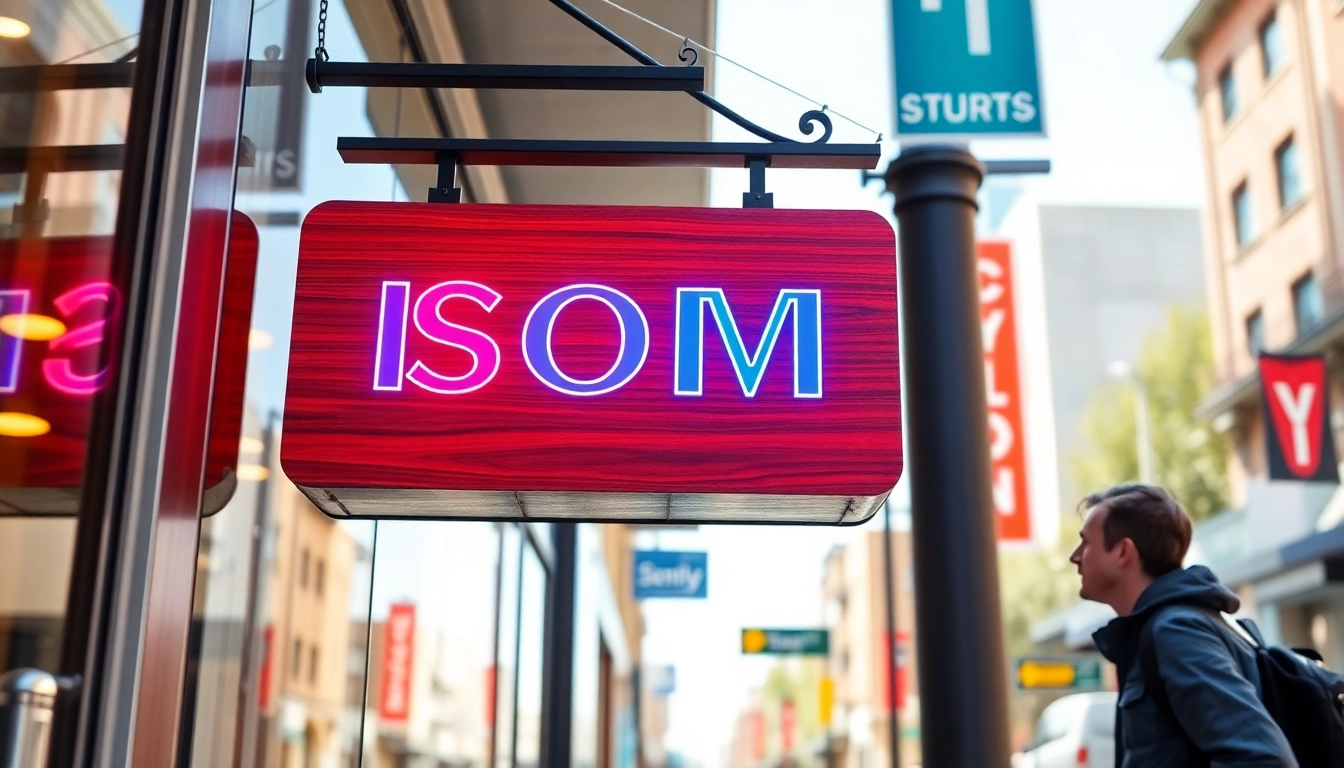
Understanding Sign Design Fundamentals
Sign design is more than just putting letters on a board; it is a pivotal aspect of both marketing and communication. When executed effectively, it conveys critical information about your business to potential customers in a visually appealing manner. A well-thought-out sign design can greatly enhance brand visibility and identity. In this guide, we will delve deep into understanding the fundamentals and intricacies of sign design.
Defining the Purpose of Sign Design
The primary purpose of sign design is communication. It tells customers who you are, what you offer, and how they can engage with you. Different types of signs serve various functions—from identification and direction to promotional and informational. Recognition plays a vital role; signs essentially serve as symbols of business identity and trust. A clear, purposeful sign can increase foot traffic and improve customer engagement, reflecting business goals and vision.
Key Elements in Effective Sign Design
Several key elements combine to create effective sign design. These include:
- Color: The right color palette can invoke emotions and elicit responses. Colors should align with brand identity while being accessible and visible.
- Typography: The choice of font affects readability and perception. Clear, bold fonts promote easy reading from a distance.
- Imagery: Images can convey messages quicker than text. Choosing high-quality, relevant imagery can complement your sign’s message and enhance attraction.
- Size and Scale: Proper sizing ensures readability and visibility, especially from various distances.
Common Myths about Sign Design
Several misconceptions about sign design can lead to poor decisions. Among these are:
- Myth 1: "Bigger is always better." While size matters for visibility, it should match location context.
- Myth 2: "All colors work the same." Different colors affect visibility and perception based on context and audience.
- Myth 3: "Complex designs attract more attention." Simplicity often enhances clarity, making messages stronger and easier to understand.
Design Principles Behind Effective Sign Design
Color Theory in Sign Design
Color theory plays an essential role in sign design, influencing emotions, perceptions, and even behavior. Understanding the emotional impact of colors and their cultural significance is vital. For instance, blue often conveys trust and dependability, while red can signal urgency or excitement. Choosing the right color combination not only enhances visibility but also creates a connection with your audience.
Typography Choices that Captivate
Typography is integral to effective sign design. The typeface used can influence a viewer's perception of a brand. Clear sans-serif fonts are often favored for their legibility, while decorative fonts might be used sparingly to add character. Attention should be given to font pairing—combining contrasting styles can provide visual interest but must maintain harmony to avoid confusion.
Balance and Composition Techniques
An effective sign design employs balance and composition principles. Well-distributed elements create a harmonious layout that guides the viewer's eye. Techniques such as the use of whitespace can enhance legibility, ensuring that essential elements stand out without overwhelming the audience. The rule of thirds or the golden ratio can be applied for pleasing proportions, enhancing overall appeal.
Choosing the Right Materials for Sign Design
Durability vs. Aesthetic Appeal
When selecting materials for sign design, balancing durability with aesthetics is crucial. Durable materials like metals or acrylics resist adverse weather conditions, ensuring longevity, while materials like wood can offer a natural aesthetic but may require more maintenance. Evaluating the environmental conditions and sign location will inform material choices.
Eco-Friendly Material Options
As sustainability gains importance in various industries, eco-friendly materials present an attractive option in sign design. Recycled materials or sustainably sourced elements not only minimize environmental impact but can enhance brand reputation. Options include bamboo for wooden signs or solar-powered lighting for illuminated signage, appealing to eco-conscious consumers.
Cost Considerations in Material Selection
Cost is an inherent factor in material selection. Budget constraints must be balanced with the desired quality and longevity of the sign. Signs made from less expensive materials might save initial costs, but higher-quality, durable options may prove more economical in the long run through their lifespan and reduced maintenance.
Best Practices for Outdoor Sign Design
Visibility and Readability Techniques
Ensuring visibility and readability is paramount for outdoor signs. Key techniques include utilizing high-contrast colors, appropriate font sizes, and clear formatting. Testing sign visibility from various distances can help refine these factors, ensuring messages are legible even in less-than-ideal conditions.
Location and Placement Considerations
Careful consideration of location and placement is crucial for sign effectiveness. Signs should be positioned at eye level and in areas with high foot or vehicular traffic. Furthermore, ensuring they are unobstructed and clearly visible from multiple angles can significantly increase their impact.
Weather Resistance Measures
Outdoor signs are exposed to various weather conditions, necessitating weather-resistant materials and protective coatings. Assessing factors such as UV exposure, moisture, and temperature fluctuations can inform decisions about material selection and design features, safeguarding your sign’s longevity and appearance.
Future Trends in Sign Design
Integrating Technology in Sign Design
As technology evolves, so too does sign design. Interactive elements like QR codes or digital displays can engage users more dynamically. Digital signage allows for real-time updates, providing businesses flexibility while enhancing user interaction, making experiences more engaging.
Eco-Conscious Design Trends
The move towards eco-conscious design is shaping the future of sign design. Integrating solar-powered lighting and sustainable materials isn't just a trend; it reflects a commitment to responsible business practices. Brands adopting these principles resonate more with environmentally aware consumers.
Interactive Elements in Sign Design
Interactive signs, like touch screens or augmented reality experiences, are gaining traction. Such features not only attract attention but can also convey significant amounts of information in engaging ways, creating immersive brand experiences that leave lasting impressions on viewers.
FAQs
What is the importance of color in sign design?
Color plays a vital role in attracting attention and conveying brand identity. Bright colors are often more visible, and color choices can evoke emotions that align with brand messaging.
How can I choose the right material for my sign?
Consider factors like location, durability, budget, and aesthetic appeal when selecting materials for your sign. The right material enhances appearance and longevity.
What size should my business sign be?
The sign size should ensure readability from a distance while fitting the overall design of the space. Testing visibility can help determine optimal size.
What are some common mistakes in sign design?
Common missteps include overcrowding information, poor font choice, and inadequate visibility due to placement. Simplifying the message enhances communication.
How often should I update my business signs?
Update your signage whenever you rebrand, change services, or if a sign element shows significant wear. Fresh signage maintains relevance and aesthetic appeal.