Understanding Steel Structure Design
What is Steel Structure Design?
Steel structure design refers to the application of engineering principles in the planning, designing, and implementing structures primarily made of steel. Since its adoption, steel has been revolutionary in construction due to its high strength-to-weight ratio and durability. Unlike traditional materials like wood and concrete, steel offers unmatched resilience against warped frames and hefty weights.
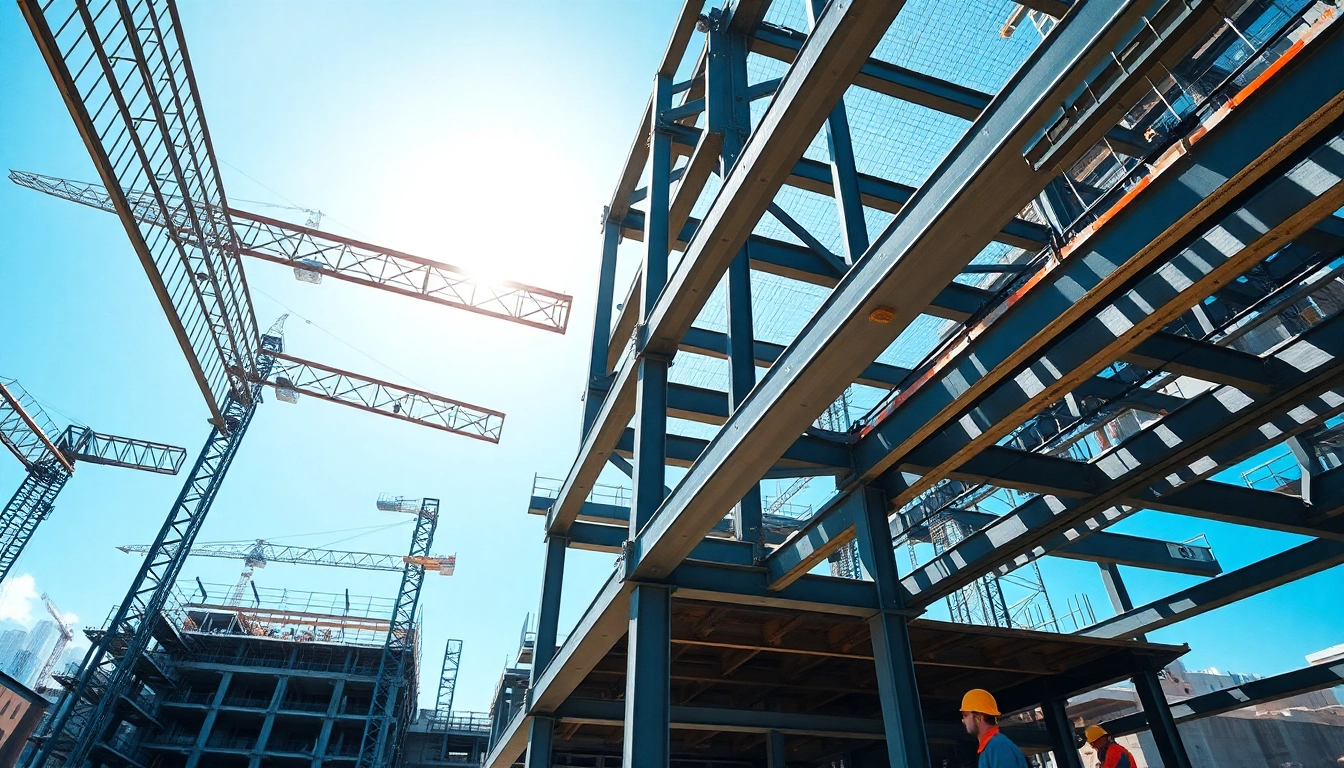
Steel structures can range from bridges and skyscrapers to smaller industrial buildings. With a proper understanding, engineers and architects can unlock the full potential of steel structure design, optimizing for efficiency, durability, and aesthetic appeal.
Benefits of Using Steel in Construction
The benefits of steel in construction cannot be overstated. Here are some noteworthy advantages:
- Durability: Steel structures exhibit high resistance to wear, fire, pests, and harsh weather conditions, providing longevity that other materials often cannot match.
- Flexibility: Steel's lengthy spans and design flexibility permit unique architectural forms that would be impossible with other materials.
- Cost-Effectiveness: Thanks to its lightweight properties, steel can lead to lower transportation and foundation costs. Its fast assembly and decreased overall construction time can further enhance budget efficiency.
- Environmental Stability: As it can be recycled without material degradation, steel is often considered a sustainable option for modern construction.
Common Applications of Steel Structures
Steel structures are utilized across various applications, showcasing their versatility. Common uses include:
- Commercial Buildings: Skyscrapers, shopping malls, and offices often employ steel frameworks for their support.
- Industrial Facilities: Warehouses and factories leverage steel for its strength and efficient layout options.
- Infrastructure Projects: Bridges and railways rely heavily on steel due to the material's exceptional load-bearing capabilities.
- Residential Buildings: An increasing number of homes are built with steel frames for superior durability and design flexibility.
Components of Steel Structure Design
Essential Materials for Steel Structures
Besides steel, various additional materials are crucial in steel structure design to ensure performance and stability:
- Concrete: Often used in tandem with steel for enhanced foundation support or when creating composite beams.
- Glass: Commonly integrated into steel structures for aesthetic purposes, glazing can enhance natural light while maintaining energy efficiency.
- Insulation Materials: These materials are vital for thermal performance, preventing heat loss in colder climates, and maintaining usability during extremes.
Architectural Considerations in Steel Design
Steel structure design is not just about engineering; it also entails various architectural considerations that influence the final appearance and functionality:
- Load Distribution: Understanding how loads transfer through columns, beams, and bracing is essential to maintaining structural integrity.
- Aesthetic Elements: Architects can creatively incorporate steel's structural elements into design assets—for example, leaving beams exposed for an industrial look.
- Integration with Surroundings: The building's context must be considered to ensure it complements its environment without overwhelming it.
Load-Bearing Characteristics of Steel
Steel's unique mechanical properties make it ideal for load-bearing applications in construction:
- High Strength-to-Weight Ratio: This characteristic enables steel to carry heavy loads without necessitating significant material.
- Tensile Strength: Steel can withstand stretching and pulling forces, which plays a crucial role in structure surpassing typical load conditions.
- Flexural Strength: Steel's ability to resist bending makes it reliable for beams and canopies that bear substantial loads.
Design Process for Steel Structures
Initial Planning and Feasibility Studies
Every successful steel structure project begins with comprehensive initial planning and feasibility studies:
- Site Analysis: Essential for assessing geographical constraints, potential loads, and the suitability of materials.
- Budgeting: An essential part of planning involves estimating costs to ascertain if the project is financially viable from initiation to completion.
- Regulatory Assessments: Engineers and architects must ensure their designs comply with local building codes and zoning laws.
Structural Analysis Methods
Once the planning phase is completed, structural analysis takes center stage to ensure the integrity and safety of the design. Common methods include:
- Static Analysis: This examines structures under static loads to gauge dimensions, stress distribution, and deformation under typical conditions.
- Dynamic Analysis: Used for structures that experience forces caused by moving loads, like vehicles on a bridge or seismic activities.
- Finite Element Analysis (FEA): A specialized computational technique that breaks down structures into smaller sections for detailed stress and deformation analysis.
Utilizing Software Tools for Design
The advancements in technology have brought forth various software tools that streamline the design and analysis process:
- Building Information Modeling (BIM): Software like Revit and Tekla Structures facilitate collaborative design by allowing teams to visualize, simulate, and coordinate projects in 3D.
- Structural Analysis Programs: Tools like SAP2000, STAAD.Pro, and ANSYS provide engineers with capabilities for sophisticated analysis and design checks.
- Project Management Software: Tools such as MS Project or Trello help in organizing tasks, timelines, and resource allocation throughout the construction journey.
Best Practices for Efficient Steel Structure Design
Optimize Material Usage and Costs
Efficient steel structure design embraces the optimization of materials and costs, focusing on both budget and performance:
- Standardization of Parts: Utilizing standardized sizes can minimize waste and reduce production costs, providing consistency without sacrificing quality.
- Recycling: Implementing a recycling plan for surplus materials fosters both environmental sustainability and budget efficiency.
- Collaborative Planning: Engaging all stakeholders early in the design process ensures better communication that ultimately leads to refined designs and minimized alterations.
Creating Sustainable Designs
As ecological issues surge in importance, creating sustainable designs is a critical aspect of steel structure design that addresses environmental considerations:
- Energy Efficiency: Incorporate passive design strategies, such as natural ventilation, to reduce energy consumption and improve occupant comfort.
- Material Selection: Choose steel with a high percentage of recycled content and ensure that all design components can be recycled at the end of the life cycle.
- Water Management: Design efficient drainage systems to prevent flooding while promoting water conservation through rainwater harvesting systems.
Safety Standards in Steel Construction
Safety standards in steel construction are non-negotiable; adhering to them ensures structural integrity and the well-being of all involved:
- Compliance with Codes: All designs must conform to government and industrial safety codes (e.g., AISC, OSHA) to minimize risks.
- Regular Inspections: Conducting routine inspections throughout the construction process helps identify potential hazards before they develop into serious safety issues.
- Training and Competency: Ensuring workers are trained in steel construction practices minimizes human error, thereby enhancing overall project safety.
Evaluating Steel Structure Design Success
Key Performance Indicators to Measure
To assess the success of steel structure designs, one should utilize various key performance indicators (KPIs) that provide insights into performance and effectiveness:
- Structural Integrity: Analyzing the robustness and longevity of the structures can shed light on the quality of design and materials used.
- Cost Efficiency: Comparing projected budgets against actual costs helps in evaluating financial performance and informing future project planning.
- Energy Performance: Metrics like energy consumption rates or carbon footprint assessments can gauge how well the structure's design meets sustainability goals.
Post-Construction Assessment Techniques
Post-construction assessments are vital for confirming that the finished structure meets design intentions and performs optimally:
- Visual Inspections: Routine visual evaluations can identify deterioration or damage that may not be evident initially.
- Load Testing: Conducting load tests ensures that structures perform as intended under real-world conditions.
- Monitoring Systems: Implement structural health monitoring (SHM) systems to assess the ongoing condition and performance of the building over its lifespan.
Case Studies of Successful Steel Structures
Real-world examples provide invaluable insight into successful steel structure design implementations:
- The Shard, London: This iconic skyscraper employs a steel framework that allows for its distinctive height and tapering shape, exemplifying the synergy between architectural ambition and engineering prowess.
- Millennium Bridge, London: A striking steel suspension bridge showcasing innovative use of materials and design, balancing aesthetics with functionality.
- Burj Khalifa, Dubai: As the tallest structure globally, its design incorporates an intricate steel core, emphasizing the possibilities inherent in steel structure design for iconic skylines.