
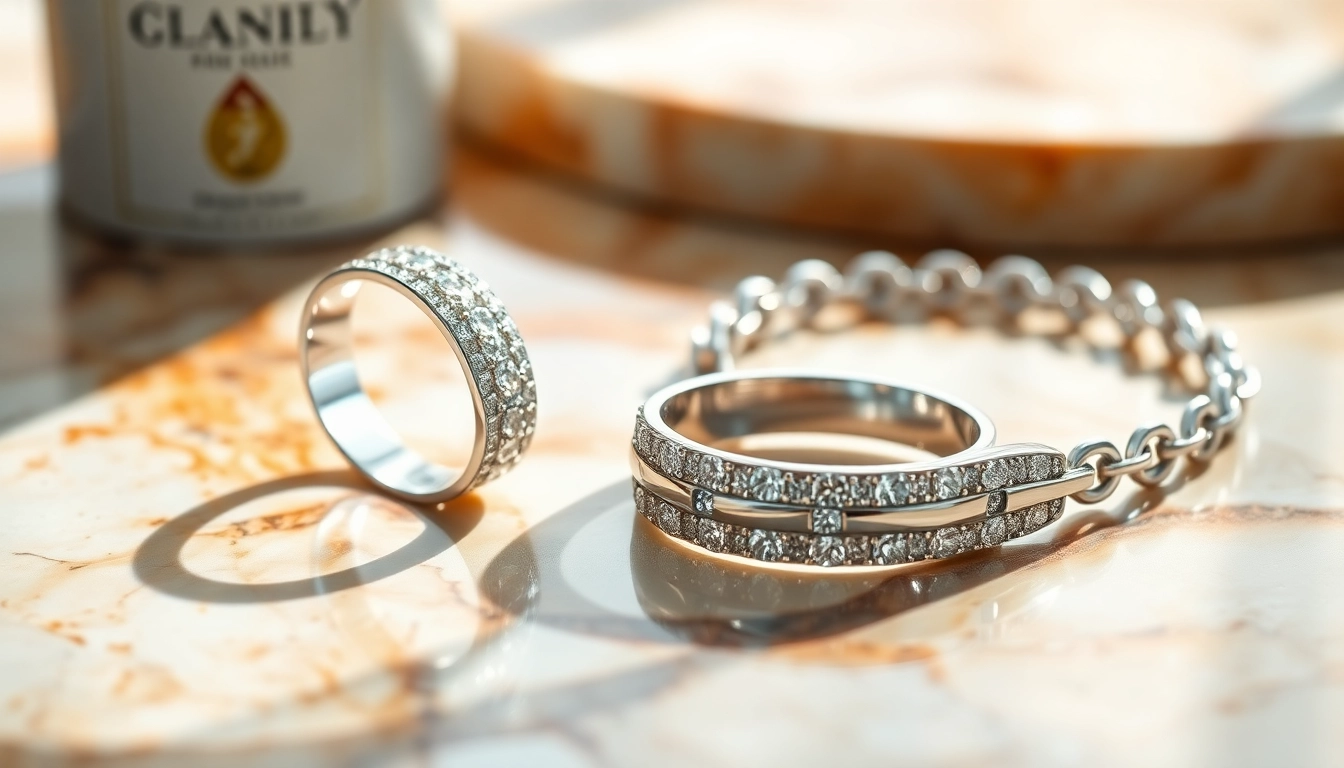
Understanding Platinum: Properties and Characteristics
What is Platinum?
Platinum is a dense, malleable, and ductile chemical element with the symbol Pt and atomic number 78. This precious metal is known for its shiny, silver-white appearance and its remarkable resistance to corrosion and oxidation, making it ideal for various applications. Often considered more precious than gold because of its rarity and desirable properties, platinum is frequently used in fine jewelry, automobile catalytic converters, and specialized industrial applications.
Beyond its physical and chemical characteristics, the cultural and historical significance of platinum adds to its allure. Dating back centuries, platinum has been utilized in decorative arts and high-end commodities, often symbolizing status and wealth.
Natural Properties of Platinum
Platinum exhibits several unique properties that distinguish it from other metals:
- Ductility and Malleability: Platinum can be drawn into thin wires or hammered into sheets without breaking, demonstrating exceptional flexibility.
- High Density: It is denser than most other metals, contributing to its substantial feel and durability.
- Corrosion Resistance: Platinum does not readily react with most chemicals, including acids and moisture, which imparts longevity to objects made from it.
- High Melting Point: With a melting point around 1,768 degrees Celsius (3,214 degrees Fahrenheit), platinum maintains structural integrity under high temperatures.
The Rarity of Platinum
Platinum is significantly rarer than gold. Its scarcity is due to the limited geographical locations where it can be found, predominantly in parts of South Africa, Russia, and Canada. The annual global production of platinum is substantially lower than that of gold, which contributes to its high price and market demand. This rarity, combined with its multiple industrial uses, leads to fluctuations in platinum pricing on commodity markets, making it an interesting consideration for investors.
Platinum in Different Industries
Role of Platinum in Jewelry
Platinum is highly regarded in the jewelry industry for its aesthetic and practical qualities. Rings, necklaces, and bracelets made from platinum are sought after for their elegance and durability. Unlike gold, which is often alloyed with other metals to enhance its properties, platinum is commonly used in a purer form—typically 90-95% pure platinum. This purity allows for a bright luster, which keeps its shine without frequent polishing.
Moreover, the hypoallergenic nature of platinum makes it a favorite choice among those with sensitive skin, ensuring comfort while wearing exquisite pieces.
Platinum in Industrial Applications
In addition to its luxurious applications, platinum plays a vital role in various industrial sectors:
- Catalysts: Platinum is crucial in catalytic converters, which reduce harmful emissions in vehicles. By facilitating chemical reactions, platinum helps to convert toxic gases into less harmful substances.
- Electrical Contacts: Due to its high conductivity and resistance to corrosion, platinum is essential in manufacturing electrical contacts and connectors.
- Laboratory Equipment: Its stability and non-reactivity make platinum an ideal material for scientific equipment, including laboratory apparatus where precision and inertness are critical.
Medical Uses of Platinum
Platinum also shines in the medical field, particularly in cancer treatment. Platinum-based drugs, such as cisplatin and carboplatin, are widely used in chemotherapy regimens. These medications work by inhibiting the growth of cancer cells, effectively playing a crucial role in oncological therapies. Additionally, platinum is used in medical devices, prosthetics, and dental materials due to its biocompatibility.
Investing in Platinum: What You Need to Know
Current Market Trends for Platinum
Investment in platinum has garnered attention due to its volatility in prices and unique market dynamics. The price of platinum tends to fluctuate markedly based on supply-demand factors, geopolitical events, and economic indicators. Investors often compare platinum's price movements against precious metals like gold and silver, examining trends to make informed decisions.
Tracking current market trends can be beneficial for potential investors, providing insight into the best times to buy or sell. It's advisable to stay updated on industry reports, market analyses, and forecasts to gauge future movement in platinum prices.
Benefits of Investing in Platinum
Investing in platinum offers several advantages:
- Portfolio Diversification: As a precious metal, platinum can serve as a hedge against inflation and economic instability, providing a buffer in investment portfolios.
- Rising Demand: With the increasing use of platinum in green technologies, such as hydrogen fuel cells, its industrial demand may boost its long-term value.
- Potential for High Returns: Historical trends show that during times of economic uncertainty, platinum prices can surge, presenting lucrative opportunities for investors.
Risks Associated with Platinum Investments
However, investing in platinum is not without risks:
- Market Volatility: Prices can be unpredictable, influenced by a variety of external factors, which may impact return on investment.
- Storage and Security: Unlike stocks or bonds, physical platinum requires secure storage solutions, which can incur additional costs.
- Limited Market Liquidity: Although it has value, the market for platinum is smaller compared to gold or silver, making it potentially harder to sell in certain situations.
Taking Care of Your Platinum Items
Cleaning Techniques for Platinum Jewelry
Proper maintenance is key to preserving the allure of platinum jewelry. To clean platinum items effectively, use a solution of warm water mixed with a few drops of mild dish soap. Soak the jewelry for about 10-15 minutes, then gently scrub with a soft brush to remove any dirt or tarnish. Rinse thoroughly with clean water and dry with a soft, lint-free cloth.
Storage Tips for Platinum Products
To protect platinum jewelry from scratches and damage, store it separately in a soft-lined box or pouch. Avoid placing platinum items in overcrowded jewelry boxes, where they can rub against one another, leading to blemishes. Keeping them in a cool, dry place away from direct sunlight helps maintain their shine over time.
Preventing Damage to Platinum Items
Recognizing scenarios that could cause damage is vital for platinum maintenance. Avoid exposing platinum jewelry to harsh chemicals, household cleaning products, or chlorine. It's also advisable to remove any platinum items before engaging in physical activities or applying cosmetics, as these can affect the metal's appearance.
FAQs About Platinum
What is the current price of platinum?
The current price of platinum fluctuates regularly based on market conditions. It is best to check live market resources for up-to-the-minute pricing.
How can I tell if my platinum is genuine?
You can check for authenticity by looking for markings on the item, such as "PT," "Plat," or a number indicating purity (e.g., 950). Consulting a jeweler for an appraisal can also confirm genuineness.
What are the benefits of using platinum in jewelry?
Platinum is highly durable, hypoallergenic, and retains its luster, making it ideal for high-quality jewelry. Its rarity also enhances its value.
Why is platinum more expensive than gold?
Platinum is rarer than gold and has unique physical properties. Its demand in various industries, including automotive and medical fields, also drives its higher price point compared to gold.
How do I maintain the shine of my platinum jewelry?
Regular cleaning with gentle soap and water, proper storage, and minimizing exposure to harsh chemicals can help maintain the shine of your platinum items.