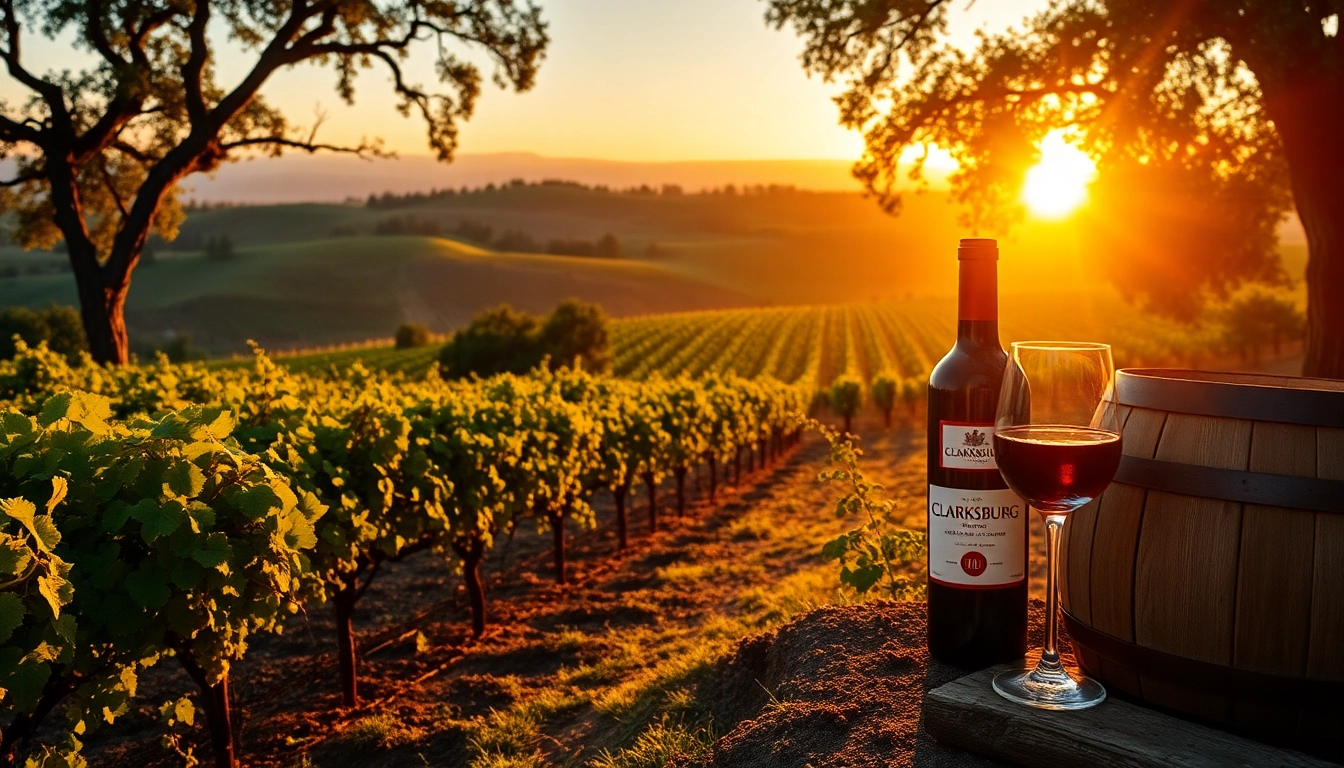
Introduction to Clarksburg Wines
Situated at the heart of California’s Central Valley, Clarksburg is a region renowned for producing high-quality wines steeped in rich agricultural history. The uniqueness of Clarksburg wines stems from the region's terroir, which encompasses everything from soil composition to climate. This article explores the depth of Clarksburg's winemaking scene, detailing what makes it a must-visit destination for wine enthusiasts.
What Makes Clarksburg Unique?
Clarksburg stands out for several reasons. First and foremost, its location along the Sacramento River provides a unique microclimate conducive to growing a variety of grape varietals. This cooler climate allows grapes to maintain acidity while developing rich flavors, which is crucial for top-quality wine production. Additionally, the region's commitment to sustainable practices differentiates Clarksburg from other wine-producing areas. Many wineries in Clarksburg employ eco-friendly farming methods to promote vine health and reduce environmental impact.
The History of Winemaking in Clarksburg
The history of winemaking in Clarksburg dates back to the mid-1800s when early settlers recognized the area’s potential for viticulture. By the late 19th century, several vineyards were established, predominantly focusing on varietals that thrived in the region’s fertile soil and favorable climate. The post-Prohibition era saw a resurgence in interest with new wineries emerging, many of them focusing on both traditional and innovative winemaking techniques. Today, Clarksburg is recognized as an AVA (American Viticultural Area), further highlighting its importance in the winemaking landscape.
Overview of Local Grape Varieties
Clarksburg is known for a diverse array of grape varieties. Chardonnay and Chenin Blanc are particularly prominent, praised for their ability to produce vibrant, expressive white wines. The reds, including Zinfandel and Petite Sirah, are characterized by their bold flavors and complex aromas. Emerging growers are also experimenting with newer varietals and blends, pushing the boundaries of local winemaking traditions and appealing to modern palates.
The Terroir of Clarksburg
Climate and Its Impact on Flavor
The climate of Clarksburg is classified as Mediterranean, with hot, dry summers and mild, wet winters. The daytime temperatures often soar, but cool breezes from the Sacramento River balance the heat, providing a conducive environment for ripening grapes. This climatological dynamic significantly impacts the flavor profiles of the wine, allowing grapes to develop deep and nuanced flavors while still retaining acidity essential for structure in both white and red wines.
Soil Composition and Vine Health
Soils in Clarksburg are primarily characterized by alluvial deposits, forming fertile grounds that are rich in minerals. These soil types promote vine health by providing essential nutrients that contribute to the quality of the grapes. Sustainable farming practices, such as cover cropping and crop rotation, are often employed to enhance soil health further and optimize grape production. Healthy vines yield better fruit, ultimately resulting in superior wines.
Environmental Practices in Clarksburg
Environmental sustainability is a key tenet of Clarksburg's winemaking philosophy. Many vineyards utilize organic farming methods, which avoid synthetic pesticides and fertilizers, fostering biodiversity in the vineyard ecosystem. Some wineries are even exploring regenerative agriculture techniques, which aim to improve soil health and sequester carbon, aligning with global sustainability goals while enhancing wine quality. These practices not only benefit the environment but also appeal to the growing demographic of eco-conscious consumers.
Exploring Types of Clarksburg Wines
Signature White Wines
Clarksburg’s white wines are largely dominated by Chenin Blanc and Chardonnay, both of which showcase the region's unique terroir. Chenin Blanc is celebrated for its versatility, producing wines that range from dry and crisp to rich and sweet, often featuring notes of apple, pear, and honey. Clarksburg Chardonnay, conversely, is marked by its good acidity and can vary from oak-aged varieties with buttery, toasted notes to fresher styles that highlight bright fruit profiles, making it a popular choice among wine drinkers.
Red Wine Varieties to Savor
For red wine lovers, Clarksburg delivers with its array of Zinfandel, Petite Sirah, and Merlot. Zinfandel is often the star, known for its jammy fruit flavors, spice, and deep color, making it a favorite for collectors. Petite Sirah, with its inky black color and robust tannins, offers complexity and aging potential, while Merlot provides a softer alternative, showcasing plum and cherry notes with smooth finishes, making it approachable for many wine drinkers.
Emerging Trends in Clarksburg Winemaking
As consumer tastes evolve, so too does the approach to winemaking in Clarksburg. There is a growing trend towards low-intervention wines, where winemakers allow the grapes to speak for themselves, minimizing additives and processing. Additionally, there is increased interest in natural wines, which are made using organic or biodynamic grapes with little to no sulfites. These trends reflect a broader movement within the industry toward transparency and authenticity, resonating with a new generation of wine enthusiasts seeking unique, handcrafted experiences.
Sip and Savor: Pairing Clarksburg Wines
Best Food Pairings for White Wines
When it comes to food pairing, Clarksburg’s white wines shine brightly. The bright acidity of Chenin Blanc complements seafood dishes beautifully, enhancing not only crustaceans like shrimp and crab but also lighter fare such as salads and vegetable dishes. Chardonnay, particularly the oak-aged varieties, pairs wonderfully with richer foods like creamy pastas or roasted poultry, where its buttery notes can create a delightful balance in flavor.
Red Wine and Culinary Matches
Clarksburg reds can elevate a variety of hearty dishes. Zinfandel, with its bold fruit and spice, pairs excellently with grilled meats, barbecue, and even spicy cuisine, allowing the wine to enhance the dish's depth. Petite Sirah pairs well with strongly flavored foods, including aged cheeses and dark chocolate, while Merlot can complement dishes like lamb or beef with its smooth finish and fruit-forward profile.
Creative Cocktails Using Clarksburg Wines
Beyond traditional pairings, Clarksburg wines can also be used in creative cocktails. Using Chenin Blanc, mix a refreshing spritzer with soda and fresh herbs, ideal for summertime gatherings. For a unique twist with Zinfandel, try a wine cocktail that combines muddled berries, mint, and a splash of club soda. These modern takes on wine add versatility and flair, appealing to both wine lovers and cocktail enthusiasts.
Visiting Clarksburg: Wineries and Tastings
Recommended Wineries for Tours
A visit to Clarksburg wouldn’t be complete without exploring its wonderful wineries. Many establishments offer intimate tours and tastings, allowing visitors to experience the winemaking process firsthand. Look for family-owned vineyards that prioritize craftsmanship and sustainability, often resulting in personalized tours filled with stories and insights about the terroir.
Wine Festivals and Events
The Clarksburg wine scene is enlivened by various festivals and events throughout the year. From annual wine tastings celebrating the harvest to upscale food and wine pairing events, these gatherings are perfect for immersing oneself in the local wine culture. They often feature local chefs and artisanal food, enhancing the flavor experience and showcasing the best of Clarksburg’s gastronomic spirit.
Planning Your Visit: Tips and Recommendations
Planning a wine tour in Clarksburg can be an exciting adventure. Consider visiting during the week to avoid crowds, ensuring a more intimate tasting experience. Make appointments with wineries for tours to secure preferred times and to obtain the best insights from the staff. Lastly, always have a designated driver or consider local transportation options to fully enjoy the tasting experience.
FAQs
1. What grapes are commonly used in Clarksburg wines? Clarksburg is known for varietals like Chardonnay and Chenin Blanc, along with robust red favorites like Zinfandel.
2. How do Clarksburg wines differ from others? The unique terroir, including soil and climate, contributes distinct flavors and characteristics to Clarksburg wines.
3. Are there any local wine festivals? Yes, Clarksburg hosts various wine festivals throughout the year, celebrating local wines and culinary arts.
4. Where can I taste Clarksburg wines? Numerous wineries in the region offer tastings and tours, allowing you to experience the local wine culture firsthand.
5. Can I purchase Clarksburg wines online? Many Clarksburg wineries provide online purchasing options, making it easy to enjoy these wines at home.