
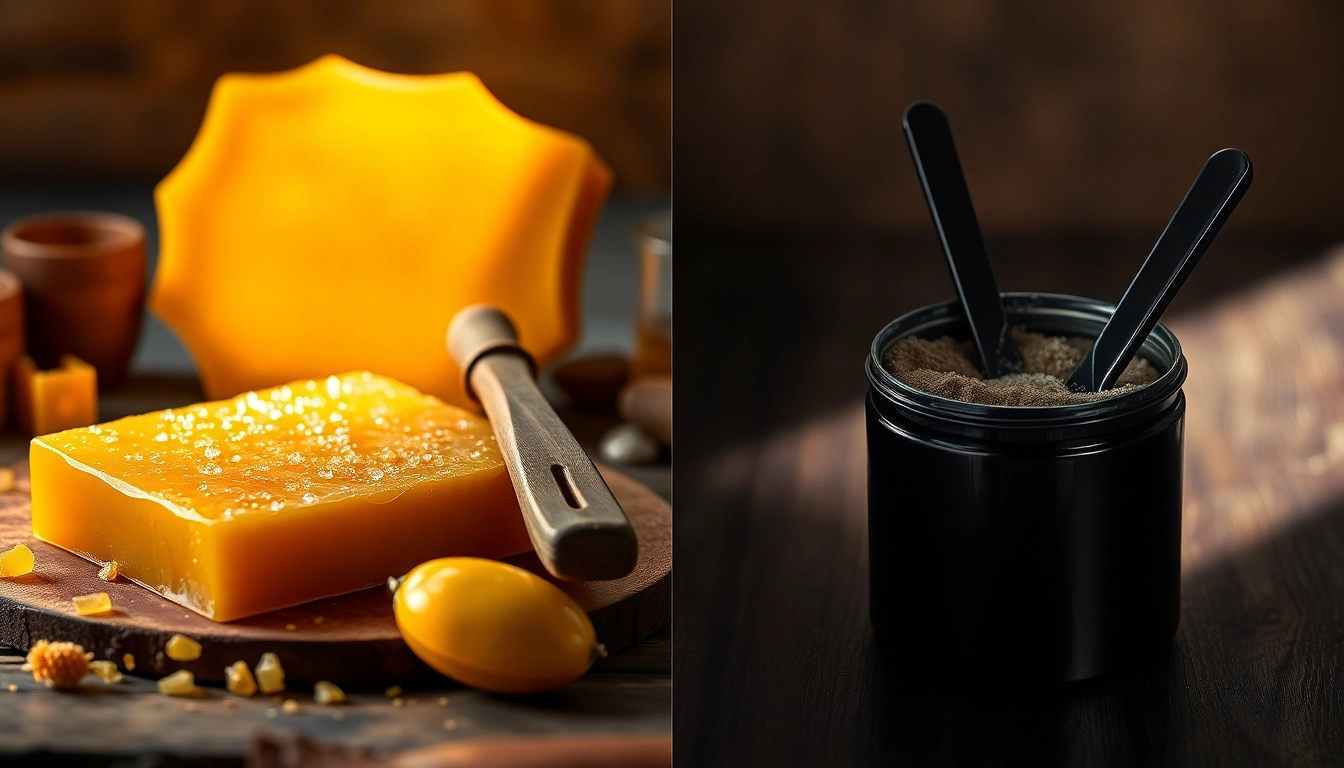
Introduction to Beeswax vs. Petroleum-based leather dressings
Choosing the right dressing for leather products is essential for their maintenance and longevity. Among the popular options, beeswax and petroleum-based dressings often come into contention. Each has distinct characteristics that make them suitable for various applications. In this in-depth exploration, we will examine Beeswax vs. Petroleum-based leather dressings, comparing their properties, benefits, and environmental impacts to help you make informed decisions about leather care.
The rise of natural vs. synthetic leather care
As awareness of environmental issues increases, many consumers are seeking natural alternatives to synthetic products. This shift is evident in the leather care industry, where beeswax is celebrated for its natural properties. In contrast, petroleum-based dressings, although effective, often face criticism for their environmental and health implications. Understanding the differences in their formulation and use is essential for anyone looking to preserve leather items responsibly.
Understanding leather and its care needs
Leather, a durable and luxurious material, requires appropriate care to maintain its suppleness and appearance. Leather can be susceptible to drying out, cracking, and fading if not properly conditioned. Regular treatment with quality products ensures that leather remains soft, water-resistant, and aesthetically pleasing. The choice between beeswax and petroleum-based dressings is fundamentally about understanding the specific needs of the leather in question.
The importance of quality ingredients
High-quality ingredients in leather care products significantly affect their performance and the longevity of the leather. Beeswax provides natural emollient properties that soften leather, while petroleum products often rely on chemical formulations, which can damage leather over time. Considering the source and quality of the ingredients used can lead to healthier leather treatment practices.
Benefits of Beeswax in Leather Treatment
Natural emollient properties of beeswax
One of the most significant advantages of beeswax is its natural emollient properties. Beeswax acts as a barrier, sealing in moisture and protecting the leather from drying out and cracking. Unlike synthetic alternatives, beeswax does not contain harmful additives and is derived from a renewable source, making it an environmentally friendly choice for leather care.
How beeswax protects leather and maintains moisture
Beeswax provides a protective layer on the leather surface, preventing water and dirt from penetrating. Its natural composition allows leather to breathe while maintaining the necessary moisture balance. Regular application of beeswax dressing can lead to enhanced durability and shine, helping to preserve the leather’s aesthetic appeal over time.
Environmental impact of beeswax
Using beeswax for leather care presents several environmental benefits. As a natural product made by bees, it is biodegradable and does not contribute to pollution like many petroleum-based products. Furthermore, sourcing beeswax from local beekeepers can support sustainable farming practices and biodiversity efforts, promoting eco-friendly consumption.
Advantages of Petroleum-based Leather Dressings
Performance features of petroleum-based products
Pursued for their cost-effectiveness and effectiveness, petroleum-based dressings offer a strong solution for leather protection. They tend to penetrate deep into the leather, providing thorough conditioning and waterproofing. Their formulation often includes additives that enhance their performance in extreme conditions.
Cost-effectiveness of petroleum alternatives
One of the compelling reasons behind the popularity of petroleum-based dressings is their affordability. Many consumers find these products readily available at local stores and online platforms, often at a lower price point than their natural counterparts. This cost advantage can be appealing, especially for those treating multiple leather items.
Widespread availability in markets
The widespread availability of petroleum-based dressings makes them easily accessible. Many retailers stock these products, allowing consumers to find them without difficulty. Their familiar presence in the market can also lead to a sense of trust among consumers who may be comfortable with conventional options.
Comparative Analysis of Beeswax vs. Petroleum-based dressings
Application techniques and ease of use
When comparing application techniques, beeswax can present challenges due to its firmness in its pure state. Users may need to warm it slightly to make it easier to spread. In contrast, petroleum-based products are generally easier to apply, as they often come in liquid form. This can be an essential consideration for users seeking convenience and speed in application.
Longevity and durability of results
The longevity of results can vary significantly between the two dressing options. Beeswax provides a durable finish that can withstand the elements and maintain its effectiveness over time. On the other hand, while petroleum-based products can deliver immediate results, they may require more frequent reapplication due to their tendency to wear off quicker, especially under harsh weather conditions.
Price comparisons and consumer perceptions
Price is a critical factor for many consumers when choosing between beeswax and petroleum-based leather dressings. Although the upfront cost of beeswax may be higher, its long-lasting benefits can offset this initial investment over time. Consumer perceptions are also shifting, with a growing preference for sustainable and organic options influencing purchasing decisions.
Frequently Asked Questions
Should you use beeswax on leather?
Yes, beeswax is an excellent choice for leather conditioning as it provides a light coating that protects against water damage while also moisturizing the leather.
What are the main differences between beeswax and petroleum?
Beeswax is a natural product with healing properties, while petroleum is a synthetic byproduct that lacks these benefits and often contains harsh chemicals.
How do you apply beeswax to leather?
To apply beeswax, soften it slightly in your hands or a warm environment, then rub it onto the leather, ensuring even coverage and allowing it to penetrate effectively.
Can beeswax damage leather?
Generally, beeswax is safe for leather. However, excess application can lead to build-up, which may affect appearance over time. It’s essential to use it judiciously.
Is petroleum-based dressing harmful to leather?
Petroleum-based dressings can provide temporary benefits but may damage stitching and finish over time due to their chemical nature, leading to potential long-term issues.