Understanding the Importance of a Chafing Dish
What is a Chafing Dish?
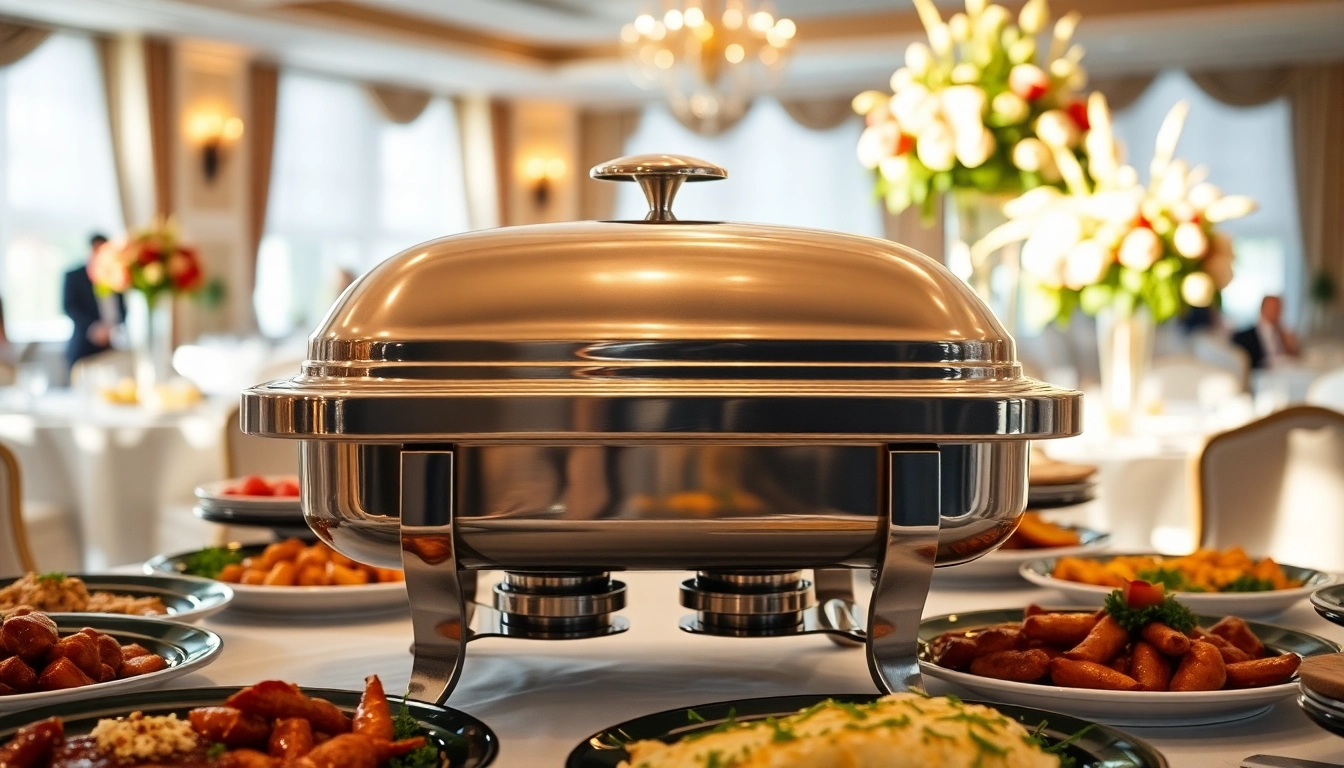
A chafing dish is a versatile cooking and serving vessel prominently used in catering events and buffets. Typically made of stainless steel or other heat-resistant materials, it consists of a shallow container for holding food, placed over a heating element, like a water bath or an alcohol burner. This apparatus allows food to be kept warm over an extended period without cooking it further, making it ideal for parties, weddings, and buffet-style meals. The design often features a lid, enhancing heat retention while also serving to keep the atmosphere hygienic and appealing.
Key Benefits of Using Chafing Dish
The popularity of chafing dishes can be attributed to several key benefits:
- Temperature Control: They maintain food at a warm temperature, ensuring that guests enjoy their meals at the ideal serving temperature.
- Convenience: Chafing dishes allow for easy serving and refilling during events. Their design makes it simple for guests to help themselves without constant supervision from the host.
- Aesthetic Appeal: Available in various styles, designs, and finishes, they can enhance the visual presentation of food at any event.
- Durability: Many chafing dishes are constructed from high-quality materials that withstand the rigors of repeated use, making them a wise investment for long-term service.
- Versatility: Beyond just warming, some chafing dishes can be used for cooking and serving various cuisines, from pasta to roasted vegetables.
Common Uses in Various Events
Chafing dishes are ubiquitous in a range of settings, showcasing their versatility:
- Weddings: Often a centerpiece of buffet-style receptions, they keep multiple entrees hot and ready to serve.
- Corporate Events: Ideal for conferences and meetings where meals are served buffet-style, chafing dishes simplify catering logistics.
- Family Gatherings: Hosts can prepare a variety of dishes ahead of time and serve them conveniently in one location.
- Fundraisers and Community Events: Chafing dishes provide an effective way to serve large crowds efficiently.
- Outdoor Parties: Portable chafing dishes facilitate cooking and serving outdoors while keeping food at safe temperatures.
Choosing the Right Chafing Dish
Material Options: Stainless Steel vs. Other Materials
When selecting a chafing dish, the material is crucial for functionality and aesthetic appeal. Stainless steel is by far the most popular option due to its durability, corrosion resistance, and ease of cleaning. However, other materials like aluminum and ceramic are also available:
- Stainless Steel: Ideal for high-end events, its shiny finish complements any décor, and it can withstand high temperatures.
- Aluminum: Lightweight and cost-effective but less durable; suitable for one-time use or casual gatherings.
- Ceramic: Offers a unique aesthetic for formal events; however, care must be taken as they are more prone to cracking.
Size Variations for Different Occasions
Chafing dishes come in various sizes, with capacities often ranging from 2 to 9 quarts. The size you should choose primarily depends on:
- Guest Count: Larger gatherings necessitate larger chafing dishes or multiple smaller ones to avoid frequent refills.
- Food Type: The type of cuisine can dictate the size. For instance, solid dishes like pasta might need larger containers, while salads or side dishes can fit in smaller trays.
- Available Space: Consider the serving area and how much room is available for setting up your chafing dishes effectively.
Design Elements to Consider
Beyond material and size, the design of your chafing dish should not be overlooked. Key design elements include:
- Lift-Off Lids: These are easier to open compared to flip-top lids, allowing for quicker access to food.
- Roll-Top vs. Flat Lids: Roll-top lids provide hassle-free access while offering protection from contaminants.
- Handles: Integrated or removable handles can influence how easy it is to transport or serve.
- Base Design: A sturdy base is critical for stability, especially if the chafing dish holds heavier foods.
Maintaining Your Chafing Dish
Cleaning Tips for Longevity
To extend the life of your chafing dish, it’s essential to maintain it properly:
- Immediate Cleaning: After use, clean the dishes immediately to prevent food from hardening and making the cleaning process more difficult.
- Gentle Cleaners: Utilize mild dish soap and a soft cloth or sponge to prevent scratching the surface.
- Drying: Always dry the dishes thoroughly after cleaning to prevent water spots and maintain shine.
Proper Storage Techniques
Storage is vital in prolonging the lifespan of your chafing dish. Here are some effective methods:
- Stacking: If multiple dishes are owned, stack them with cloth or paper towels between each to prevent scratches.
- Cool & Dry Environment: Store in a cool, dry place, away from excessive heat or humidity that could cause corrosion.
- Covering: Use covers when storing to protect from dust and potential scratches.
Fuel Options for Chafing Dishes
Fuel selection impacts efficiency and safety when using a chafing dish. Options include:
- Sterno (Gel Fuel): A common choice for smaller events, easy to use with fewer safety concerns.
- Electric Models: These provide consistent heating but require access to an outlet.
- Alcohol Burners: More traditional, offering high heat but require caution during use.
Setting Up a Chafing Dish for Events
Preparation Tips for Efficient Setup
Proper preparation ahead of an event can streamline the serving process:
- Pre-Heat Water: For water baths, ensure water is preheated before placing the chafing dish on top to maintain an even temperature.
- Organize Serving Utensils: Place appropriate utensils next to each chafing dish to facilitate self-serving and reduce traffic at food stations.
- Accessibility: Ensure that the layout allows for easy traffic flow. Avoid overcrowded setups that create confusion.
Serving and Refilling Strategies
Tactful serving and refilling can enhance guest experiences:
- Monitor Food Levels: Keep a close eye on portion sizes to ensure that dishes are topped up before guests notice empty trays.
- Speedy Access: Encourage staff or designated individuals to be on hand for quick refills to maintain a constant food supply.
- Signature Dishes: Identify which dishes are the most popular, so you can prioritize them for quicker restocking.
Creating a Food Display with Style
The presentation of your chafing dishes can significantly enhance the overall dining experience:
- Decorative Elements: Utilize table linens, centerpieces, or signage to create an inviting buffet area.
- Layering Dishes: Arrange dishes in a tiered format for aesthetic appeal and easy access.
- Lighting: Consider soft lighting that accentuates the display without overwhelming the food.
Frequently Asked Questions About Chafing Dish
What is the best chafing dish for parties?
The best chafing dish for parties generally combines durability, aesthetic design, and appropriate size. Consider your guest count and the types of food served to select an optimal option.
Can a chafing dish be used for outdoor events?
Yes, chafing dishes are suitable for outdoor events, especially models designed with sturdy bases and windproof fuel options to keep food warm and accessible.
How do I choose the right fuel for my chafing dish?
Your choice of fuel depends on the event type and location. Consider portability for outdoor events and electric options for indoor settings where outlets are available.
What are the cleaning methods for stainless steel chafing dishes?
Cleaning stainless steel chafing dishes involves using mild detergents, soft cloths, and ensuring thorough drying to prevent stains and spots.
Are there disposable options available for chafing dishes?
Yes, there are disposable chafing dishes made from aluminum or heavy-duty foil that are great for one-time events and reduce cleanup effort.