
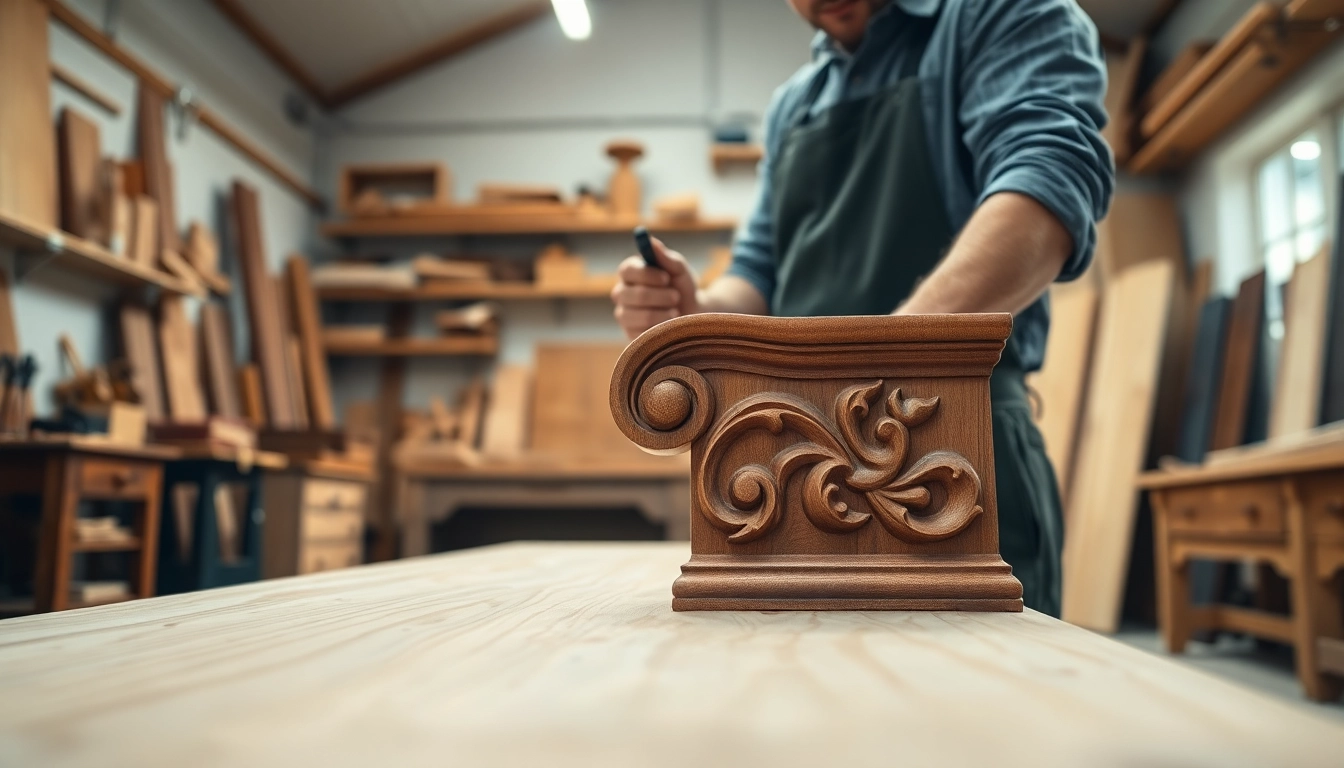
Understanding Custom Millwork
Custom millwork is at the intersection of art and craftsmanship, transforming ordinary spaces into extraordinary environments. By utilizing tailored designs that reflect individual styles and preferences, custom millwork allows homeowners and designers to make the most of their spaces. Whether you’re looking for unique cabinet designs, intricate moldings, or bespoke furniture pieces, the world of custom millwork offers endless possibilities. Explore how custom millwork can elevate your interiors.
Definition and Types of Custom Millwork
Custom millwork refers to wood products made to specific design specifications. This craft involves creating interior or exterior features that enhance aesthetics and functionality. Common types of custom millwork include:
- Crown Molding: Decorative trim placed at the junction of walls and ceilings.
- Wainscoting: Paneling applied to the lower portion of walls, adding depth and character.
- Built-in Cabinets: Storage solutions designed to fit snugly into designated spaces.
- Door Frames: Custom entries that create unique thresholds to rooms.
- Decking and Railings: Outdoor wooden structures that enhance the usability of outdoor spaces.
The Role of Custom Millwork in Design
Custom millwork plays a crucial role in interior and architectural design. It not only adds visual appeal but also improves functionality through tailored solutions. By choosing custom millwork, you can create a cohesive design theme throughout your space, integrating practical elements such as built-ins that maximize storage while contributing to the room’s overall aesthetic.
Key Benefits of Choosing Custom Millwork
The advantages of custom millwork extend beyond mere aesthetics. Key benefits include:
- Personalization: Tailored designs that reflect individual tastes and styles.
- Quality Craftsmanship: Built to last, custom millwork often features superior quality compared to mass-produced alternatives.
- Increased Property Value: Well-executed custom millwork can significantly enhance the market value of your home.
- Functionality: Custom pieces can solve specific design dilemmas, maximizing space efficiency.
Materials and Techniques for Custom Millwork
Popular Woods Used in Custom Millwork
Choosing the right materials is crucial for achieving the desired look and durability in custom millwork. Popular choices include:
- Oak: Durable and versatile, oak offers a distinct grain pattern.
- Maple: This hardwood is known for its fine texture and resistance to wear.
- Pine: A cost-effective option that can easily be stained or painted.
- Cherry: Renowned for its rich color and smooth finish, cherry ages beautifully over time.
Techniques for Precision Crafting
Precision crafting is the cornerstone of custom millwork. Techniques utilized in the process include:
- Joinery: Techniques like dovetail and mortise and tenon create strong, long-lasting joints.
- Routing: This process shapes the edges of a piece for decorative and functional purposes.
- Carving: Custom designs can include intricate carvings that personalize each piece.
- Sanding and Finishing: Proper sanding ensures a smooth surface, while finishes enhance durability and aesthetics.
Finishing Touches that Matter
A well-executed finish can enhance the beauty and longevity of custom millwork elements. Techniques include:
- Staining: Enhances the natural grain of the wood while offering color options.
- Painting: Provides an opportunity for bold color choices and innovative design concepts.
- Sealing: Protects against moisture and wear, extending the lifespan of the millwork.
Designing with Custom Millwork
Integrating Custom Millwork in Interior Design
Integrating custom millwork into your interior design can transform any space. Here are a few ideas:
- Accent Walls: Create a focal point using paneling or decorative molding.
- Functional Spaces: Use built-ins in living rooms, kitchens, and offices that combine practicality with design.
- Enhanced Lighting: Incorporate custom moldings to create upgraded lighting fixtures that serve as both art and utility.
Customization Options for Every Space
Custom millwork can be adapted to fit various themes and functional requirements. Considerations include:
- Room Dimensions: Tailor pieces to the specific size of your spaces.
- Style Consistency: Ensure that designs align with the overall décor theme.
- Color Schemes: Choose finishes that complement other materials used in the space.
Common Design Mistakes to Avoid
Avoiding common pitfalls can enhance the value and aesthetics of your custom millwork:
- Ignoring Proportions: Oversized or undersized pieces can disrupt the balance of the space.
- Neglecting Functionality: Always ensure that custom solutions are usable and meet practical needs.
- Choosing Trends Over Timelessness: Invest in designs that will stand the test of time.
Installation and Maintenance of Custom Millwork
Professional Installation Essentials
Proper installation of custom millwork is essential for achieving its full potential. Important considerations include:
- Professional Expertise: Engaging skilled craftsmen ensures attention to detail and quality.
- Tools and Equipment: Specialized tools may be necessary for precise measurements and cuts.
- Permits and Codes: Understand local regulations that may affect millwork installation.
DIY Maintenance Tips for Longevity
Maintaining custom millwork is vital for preserving its beauty and functionality. Here are some useful tips:
- Regular Cleaning: Use a soft cloth and appropriate cleaners to remove dust and debris.
- Periodic Inspections: Check for signs of wear, moisture, and pests regularly.
- Touch-Up Finishes: Repair any scratches or worn areas promptly, using appropriate stains or paints.
When to Call in the Experts
While regular maintenance can often be handled DIY, some situations warrant the attention of professionals:
- Structural Issues: If you notice swelling or warping, professional assessment is needed.
- Complex Repairs: Intricate restoration work should be left to skilled craftsmen.
- Upgrades and Modifications: Significant changes to custom millwork may require expert guidance.
Frequently Asked Questions about Custom Millwork
What is custom millwork?
Custom millwork refers to handcrafted wood products made to meet specific design and functional needs, including cabinets, moldings, and built-ins.
How long does it take to create custom millwork?
Creation time varies based on complexity and the size of the project, typically ranging from a few weeks to several months.
Can custom millwork be used in outdoor settings?
Yes, specially treated woods and finishes can make custom millwork suitable for outdoor use, ensuring durability against the elements.
What is the average cost of custom millwork?
Costs vary widely depending on factors such as material, design complexity, and installation; however, investing in quality can deliver long-term value.
How do I choose the right style for my custom millwork?
Consider your overall interior theme, desired functionality, and personal preferences. Consulting with a designer can also help clarify choices.