
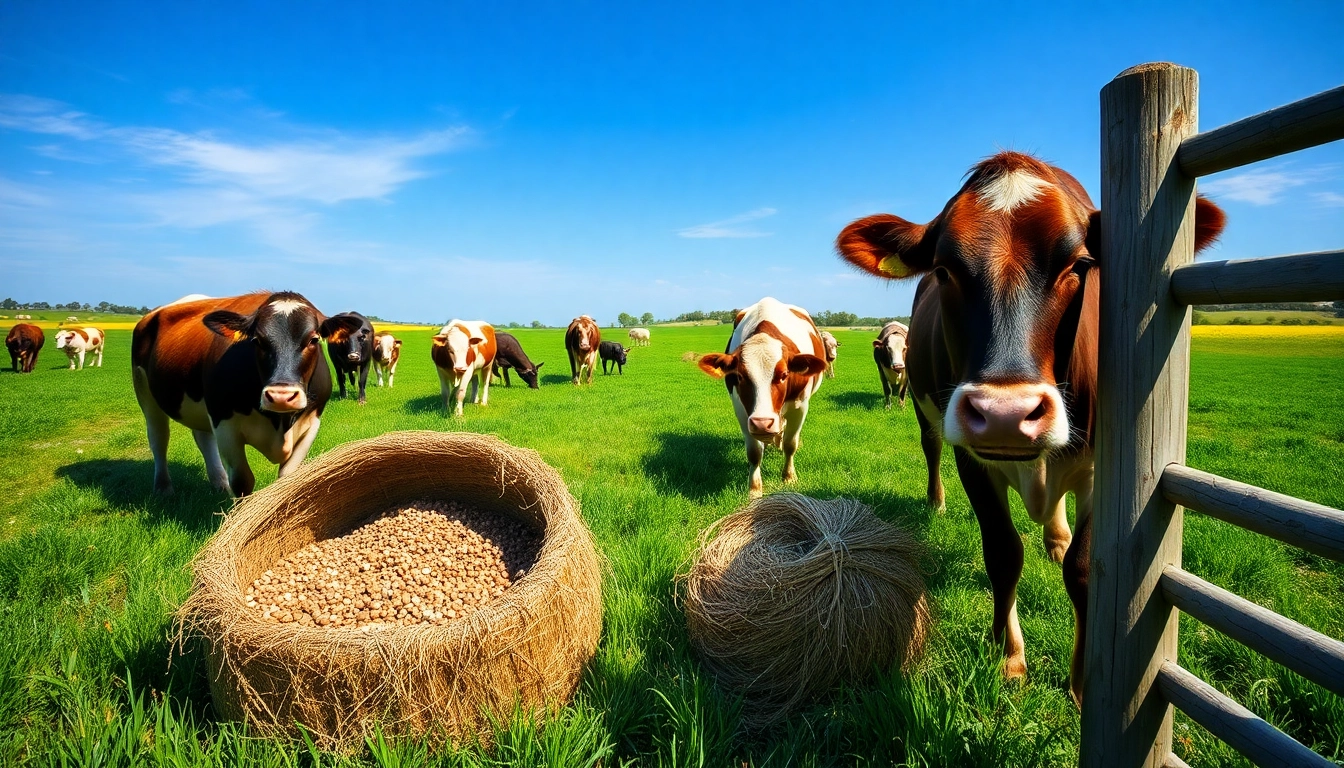
Understanding Cattle Feed Types
Choosing the right Cattle Feed is essential for the health and productivity of livestock. Different types of feed provide varied nutrients that cater to distinct growth stages, climates, and pasture conditions. The primary categories of cattle feed include grass-based feeds, grain-based feeds, and supplemental minerals and vitamins. Each type plays a crucial role in supporting optimal cattle health and performance.
Grass-Based Feeds
Grass-based feeds form the foundation of many cattle diets. They are rich in fiber, allowing for better digestion and rumination. Types of grass, such as alfalfa, clover, and timothy, provide essential nutrients while supporting healthy grazing habits. Grass-based feeds are particularly beneficial in fostering a sustainable feeding strategy that reduces reliance on grain and processed feeds. However, pasture quality can fluctuate based on climatic conditions and management practices, making it vital for farmers to assess their grassland regularly.
Grain-Based Feeds
Grain-based feeds consist of high-energy components such as corn, barley, and oats. These feeds are utilized to improve weight gain and performance, particularly in feedlot settings. Utilizing grain promotes faster growth rates, making it a popular choice for farmers aiming for market weight more efficiently. However, it’s essential to balance grain intake with forage to prevent digestive disorders such as acidosis, which can occur with excessive grain consumption.
Supplemental Minerals and Vitamins
No cattle diet is complete without adequate supplementation of minerals and vitamins. Key minerals such as calcium, phosphorus, magnesium, and trace minerals like selenium and zinc play critical roles in bone health, immune functioning, and reproductive success. Vitamins A, D, and E are crucial for overall health, aiding cellular functions and providing antioxidant properties. supplementation ensures that cattle receive optimal nutrition throughout their life cycle, particularly when forage is low in nutritional value.
The Importance of Quality Nutrition for Cattle
Nutritional quality directly affects cattle health, productivity, and profitability. High-quality nutrition contributes significantly to growth rates, milk production, and overall health, all of which are vital for successful cattle farming.
Impact on Growth and Weight Gain
Diet plays a fundamental role in determining growth rates and weight gain. Adequate protein sources facilitate muscle development, while energy sources from grains boost growth potential. Balancing fiber and energy sources helps cattle transition smoothly from one growth stage to another. For instance, weaning calves require an energy-dense diet to transition effectively to solid feeds, promoting rapid weight gain whilst ensuring a robust digestive system.
Influence on Milk Production
For dairy cattle, nutrition can make or break milk production levels. High-energy rations can enhance lactation performance while ensuring cows have adequate nutrient reserve during peak lactation. Cows fed high-quality forage and grain often yield higher milk volumes and possess better nutrient profiles in their milk, contributing positively to quality standards in dairy production.
Benefits for Overall Health
Quality nutrition leads to enhanced immune function and disease resistance. Cattle consuming a balanced diet are less susceptible to diseases and stress, reducing veterinary costs significantly. Additionally, proper nutrition promotes optimal fertility rates and reduced calving difficulties, leading to healthier calves and improved herd productivity. Establishing a targeted nutrition program that encompasses quality feed and active monitoring can prevent many health issues before they arise.
Choosing the Right Cattle Feed
When selecting cattle feed, multiple factors come into play. Understanding the nutritional needs of your herd, considering local feed availability, and deciphering feed labels are critical steps in the decision-making process.
Assessing Nutritional Needs
Each animal’s nutritional requirements can vary based on age, weight, sex, and production stage (growth, lactation, maintenance). Use tools such as nutritional analysis and consultation with veterinarians or livestock nutritionists to assess individual and herd-wide requirements. The accuracy of this initial assessment can significantly impact subsequent growth and productivity outcomes, guiding feed formulation appropriately.
Considering Local Availability
Farmers should consider the availability of feed resources in their locality. Local availability can guide choices between different types of cattle feed. Understanding seasonal variations and regional agricultural practices can provide better insights into which feeds may be most effective and cost-efficient to leverage in a given area. Farmers may need to source feed from external suppliers if local options run low.
Understanding Feed Labels
Feed labels provide crucial information on contents, nutritional value, and feeding directions. Familiarizing yourself with these labels enables better decision-making regarding cattle feed purchases. Look for guaranteed analysis, which offers insights into protein, fat, fiber, and moisture content, ensuring that the feed fits your cattle’s specific dietary needs. Additionally, be mindful of ingredient lists to avoid any undesirable additives that could affect cattle health.
Best Practices for Feeding Your Cattle
Implementing best practices in feeding can drive improvements in herd efficiency and cattle health. Adopting strategic feeding schedules, monitoring health regularly, and adjusting to seasonal changes are imperative.
Feeding Schedule and Quantity
Establishing a consistent feeding schedule optimizes cattle digestion and improves feed conversion efficiency. Divide daily feed into smaller portions instead of offering a single large feed, which could lead to digestive issues. Adapting the feeding schedule according to environmental changes can also improve performance; in colder months, cows may require additional energy sources to maintain body heat.
Monitoring Cattle Health
Regular health assessments facilitates proactive management of nutrition and encourages early intervention if issues arise. Observing behavioral changes or health impacts such as weight loss, lethargy, or digestive upset can signal nutritional deficiencies that need addressing. Invest in routine veterinary check-ups and enhance husbandry practices, as healthy cattle are more likely to thrive on quality diets.
Adjusting Feed Based on Seasonal Changes
Seasonal variations can significantly impact forage quality and availability. During colder months, supplementing with energy-dense feeds may be necessary to help cattle maintain body weight as pasture degrades. During the spring and summer, when pasture forage is nutrient-rich, adaptations to reduce grain use may be beneficial. Being willing to adjust feed formulations based on seasonal changes will optimize cattle health year-round.
FAQs about Cattle Feed
What are the main components of quality cattle feed?
A balanced cattle feed should contain a mix of carbohydrates, proteins, vitamins, and minerals to support overall health.
How often should cattle be fed?
Cattle should typically be fed at least twice daily, but the frequency can vary based on their age and production stage.
Can cattle thrive on grass alone?
Grass can be a primary food source; however, supplementation may be necessary to provide essential nutrients for optimal health.
What is the role of minerals in cattle feed?
Minerals help in various bodily functions, including bone development, reproduction, and immune response.
How to store cattle feed properly?
Store cattle feed in a cool, dry place, away from pests and moisture to maintain its quality and nutritional value.