
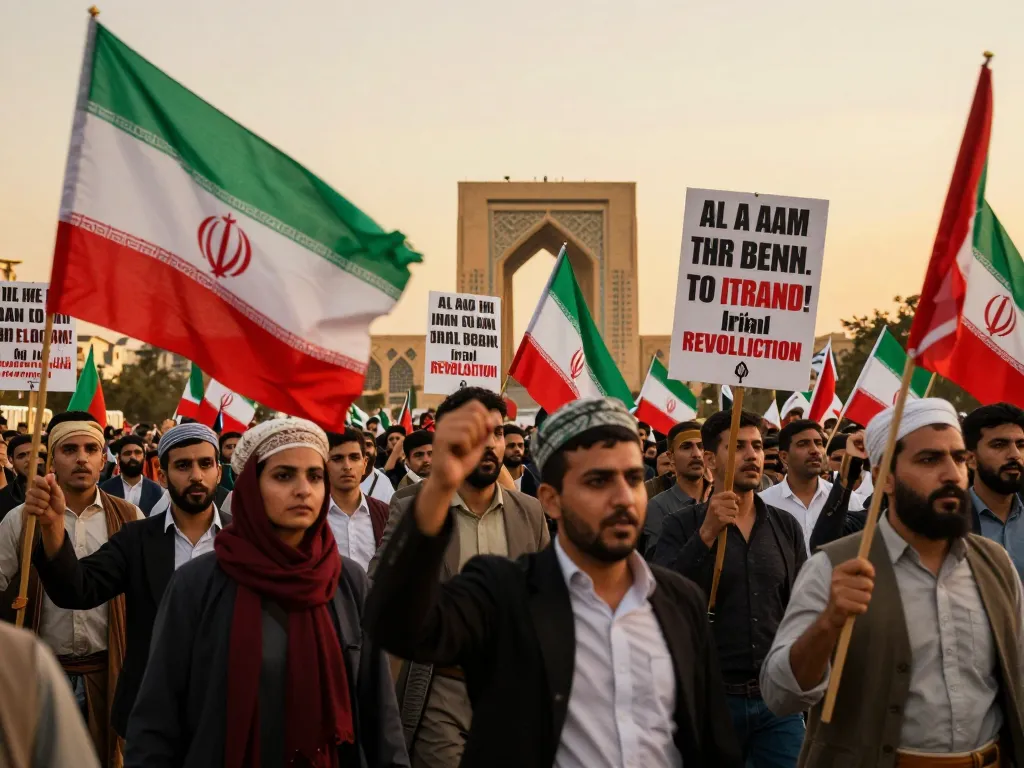
Understanding the Iranian Revolution: Historical Context
The Iranian revolution marked a pivotal moment in 20th-century history, transforming Iran from a monarchy into an Islamic Republic. This complex series of events did not arise in isolation; they were deeply intertwined with both the internal dynamics of Iranian society and the broader context of global politics. The roots of discontent stretched back decades, as social, economic, and cultural forces converged to shape a revolutionary landscape by the late 1970s. Understanding these intricacies is essential for comprehending the profound impact of the revolution on both Iran and the wider Middle East.
Key Events Leading to the Iranian Revolution
The timeline leading to the Iranian Revolution is marked by significant events that catalyzed public dissent against the Pahlavi monarchy. Key moments include the emergence of the 1963 White Revolution, the Shah’s modernization efforts, and the 1978 protests sparked by the publication of an article slandering Ayatollah Khomeini. Each of these events contributed to growing unrest and mobilization within Iranian society.
- 1963 White Revolution: This series of reforms aimed at modernizing Iran but faced backlash from various societal sectors, particularly religious groups.
- 1978 Protests: A coordinated series of demonstrations against the Shah’s regime began, fueled by economic hardships and political repression.
- Exile of Ayatollah Khomeini: Khomeini’s exile in 1964 and subsequent speeches from abroad galvanized opposition to the Shah.
Major Figures Influencing the Movement
Several key figures played integral roles in shaping the revolutionary movement. Ayatollah Ruhollah Khomeini emerged as the symbolic leader of the opposition, advocating for an Islamic government based on Shia principles. Alongside him were other influential figures such as leftist activists and intellectuals who contributed to the revolution’s diverse ideological framework. This coalition of religious and secular leaders illustrated the multifaceted nature of the uprising.
- Ayatollah Khomeini: His writings and speeches united disparate groups against the Shah and emphasized Islamic governance.
- Leftist Intellectuals: Figures such as Ali Shariati mobilized students and workers, promoting socialist ideals intertwined with Islamic principles.
Impact of Global Politics on Iran’s Revolution
The Iranian Revolution cannot be fully understood without considering the international context in which it occurred. The Cold War dynamics, U.S. support for the Shah, and regional geopolitical interests played significant roles in shaping both local sentiments and external reactions. The 1953 coup that reinstalled the Shah, backed by Western powers, sowed seeds of resentment that echoed throughout Iranian society even decades later, culminating in widespread anger during the revolution.
Causes of the Iranian Revolution: Societal Factors
Economic Disparities and Social Unrest
Economic inequality in Iran was a significant factor fueling revolutionary sentiment. Despite the Shah’s efforts to modernize the economy, wealth was concentrated in the hands of a few, leading to widespread discontent among the lower classes. High inflation, unemployment, and the rising cost of living exacerbated this tension, manifesting in protests and strikes across the country.
Religious Opposition to Western Influence
The imposition of Western values and secular policies under the Shah’s regime generated a strong backlash among conservatives and religious groups. Many Iranians felt their cultural identity was under threat as Westernization permeated various aspects of life, from education to family structures. This resistance laid the groundwork for a religiously motivated revolution, which sought to restore Islamic values and governance in place of the westernized regime.
Role of Women in the Revolution
Women played a critical role throughout the Iranian Revolution, contributing to protests and serving as active participants in the movement against the Shah. While many women participated in the revolutionary activities envisioning a better future, their freedoms and rights faced significant challenges post-revolution. The ensuing Islamic Republic imposed strict regulations that often curtailed the gains women had made prior to the revolution, reflecting the complexities of gender roles in the aftermath.
Effects of the Iranian Revolution: Political Changes
Establishment of the Islamic Republic
Following the overthrow of the Pahlavi regime, the establishment of the Islamic Republic in 1979 marked a significant transformation in Iran’s political landscape. This new regime, led by religious authorities, implemented an entirely different governance philosophy that combined Islamic law with state mechanisms. The revolution fundamentally altered the relationship between religion and politics in Iran, setting a precedent for Islamic governance in the region.
Changes in Governance and Legal Systems
The new political structure introduced a transformative legal system based on Shia Islamic jurisprudence. This radical shift affected various facets of Iranian life, including family law, criminal justice, and personal freedoms. Notably, the Islamic Revolution’s emphasis on Sharia law sparked debates about human rights, civil liberties, and the role of women in society.
International Relations Post-Revolution
With the establishment of the Islamic Republic, Iran’s foreign policy underwent a dramatic shift. The country became increasingly isolated, particularly from Western nations, and took a more confrontational stance towards the United States and its allies. This shift had lasting implications for regional dynamics, leading to ongoing tensions that resonate within contemporary geopolitics.
The Legacy of the Iranian Revolution: Cultural Impact
Transformation of Iranian Society and Identity
The Iranian Revolution catalyzed profound changes in the societal fabric and collective identity of the nation. It fostered a revitalized sense of Islamic identity that permeated various aspects of life, including education, arts, and social norms. This cultural renaissance generated a resurgence of interest in Persian literature, philosophy, and religious studies, reshaping the way Iranians viewed their history and legacy.
Art and Literature Response to Revolution
The revolution inspired a wave of artistic expression and literary response. Writers, filmmakers, and artists began to explore themes of oppression, resistance, and identity through their works. The impact of the revolution on art and literature presented a complex narrative of hope and despair, reflecting the tumultuous journey of Iranian society.
Long-term Effects on Regional Politics
The Iranian Revolution altered the political landscape of the Middle East, inspiring various movements and uprisings across the region. The rise of Islamic movements and a shift in political Islam reshaped alliances and antagonisms among states in the region. The revolution’s legacy continues to influence politics, social movements, and governance structures in several neighboring countries.
Looking Ahead: The Iranian Revolution’s Influence in 2026
Current Iranian Political Climate and Challenges
As of 2026, the political climate in Iran remains complex and fraught with challenges. The government continues to navigate internal dissent and calls for reform amid economic difficulties and international sanctions. The revolutionary ideals that once united many Iranians now face scrutiny as citizens grapple with the realities of governance and daily life.
Lessons from the Revolution for Modern Movements
The Iranian Revolution serves as an essential case study for contemporary social movements worldwide. Its successes and failures provide critical insights into the dynamics of grassroots mobilization, the interplay of ideology and governance, and the role of youth activism. Understanding these lessons is crucial for groups seeking to instigate political change in repressive regimes.
Future Prospects for Iran’s Society and Governance
The future of Iran remains uncertain as it confronts ongoing political, economic, and social challenges. The quest for a more inclusive and participatory governance framework persists among the populace, reflecting a demand for change rooted in both revolutionary ideals and contemporary realities. The balance between maintaining Islamic principles and accommodating evolving societal needs will be pivotal for Iran’s trajectory.
What were the main outcomes of the Iranian Revolution?
The primary outcomes of the Iranian Revolution included the establishment of the Islamic Republic, a significant transformation of the legal and political systems, and profound cultural shifts within Iranian identity.
How did international reactions shape the revolution?
International reactions, particularly U.S. support for the Shah, intensified anti-American sentiment and galvanized opposition to the regime, ultimately influencing the revolution’s dynamics.
What role did youth movements play in the revolution?
Youth movements were crucial in the revolution, leveraging their dissatisfaction with the status quo and using organization and mobilization strategies to challenge the regime.
What are the key lessons learned from the Iranian Revolution?
The Iranian Revolution illustrates the importance of solidarity across diverse groups, the power of grassroots mobilization, and the necessity of addressing societal grievances to achieve lasting change.
How has the Iranian revolution influenced women’s rights?
While the revolution initially provided women with opportunities for activism, the subsequent governmental policies imposed significant restrictions on women’s rights and freedoms, highlighting the ongoing struggle for gender equality within the context of Iranian politics.