
The Importance of Pond Plants in Aquatic Ecosystems
Pond plants are a crucial component of any aquatic ecosystem, offering a myriad of benefits that enhance the environment and support wildlife. These plants not only beautify garden ponds but also play essential roles in maintaining water quality, providing habitat for various species, and supporting the intricate food web that exists within these watery ecosystems. When exploring options, Pond Plants provide comprehensive insights into how to choose the best varieties for your garden setup.
What Are Pond Plants and Their Roles?
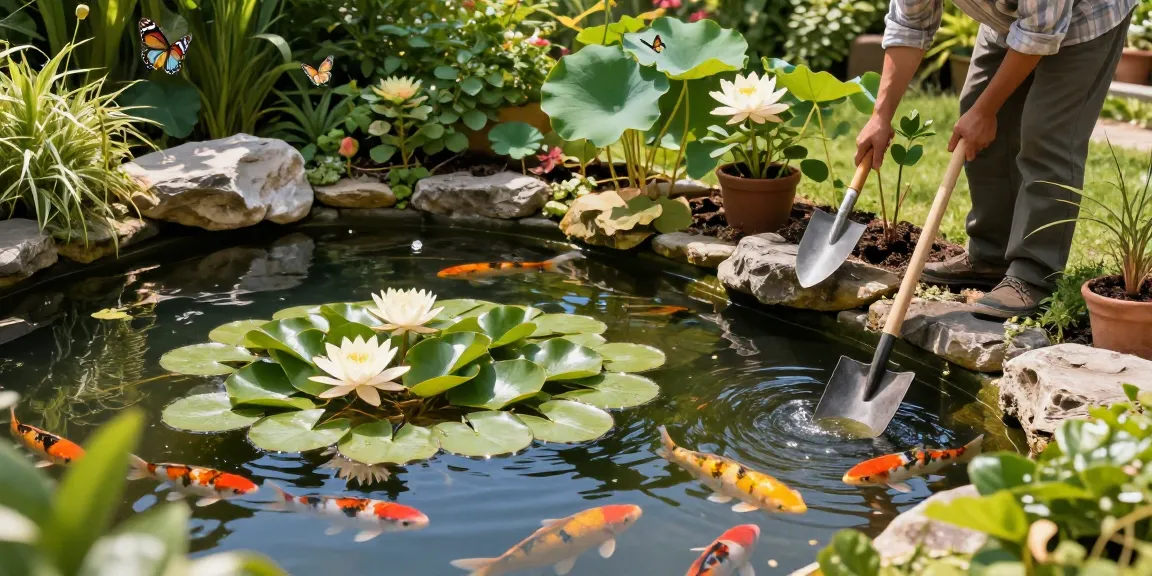
Pond plants can be broadly categorized into three types: submerged, emergent, and floating plants. Each type serves distinct functions in the ecosystem. Submerged plants, such as eelgrass and hornwort, grow entirely underwater and are vital for oxygen production and providing habitat for fish and aquatic invertebrates. Emergent plants, like cattails and bulrushes, grow at the water’s edge, helping stabilize soil and filter pollutants. Floating plants, such as water lilies and duckweed, cover the water’s surface, providing shade and preventing excessive algae growth.
Benefits of Pond Plants for Water Quality
Pond plants significantly improve water quality by absorbing excess nutrients and pollutants. Nutrient-rich runoff can lead to algal blooms, which decrease oxygen levels and harm aquatic life. However, plants help mitigate this by utilizing these nutrients to grow, thereby purifying the water. Additionally, they provide a habitat for beneficial microorganisms that further break down pollutants through natural processes.
Common Types of Pond Plants Explained
Among the most common pond plants, you’ll find a variety of species suited for different conditions:
- Water Lilies: These floating plants are loved for their stunning flowers and broad leaves, which provide shade and habitat for fish.
- Cattails: An emergent plant that not only stabilizes shorelines but also provides shelter for birds and other wildlife.
- Hornwort: A submerged plant that oxygenates the water and offers refuge for small aquatic creatures.
- Duckweed: This tiny floating plant is excellent for nutrient absorption but needs to be managed due to its rapid growth.
Choosing the Right Pond Plants for Your Garden
Selecting the right pond plants is crucial for creating an aesthetically pleasing and biologically balanced ecosystem. Understanding the specific conditions of your pond, such as sunlight exposure and depth, will help you make informed choices.
Factors to Consider When Selecting Pond Plants
When choosing pond plants, consider the following factors:
- Light Conditions: Different plants thrive in full sun, partial shade, or complete shade, so you’ll want to evaluate your pond’s exposure.
- Water Depth: Some plants prefer shallow waters, while others are suited for deeper areas.
- Climate Zone: Ensure the plants you select are suitable for your geographical region to guarantee their growth and survival.
Native vs. Exotic Pond Plants: Pros and Cons
Native pond plants are well-adapted to local conditions and support local wildlife, making them an excellent choice for ecological balance. They require less maintenance and are resilient against local pests. However, exotic plants can add unique aesthetics and diversity but may become invasive and disrupt local ecosystems. Choosing the right type depends on your goals and commitment to managing the pond’s health.
Designing Your Pond Aesthetic with Plants
The beauty of a pond can be significantly enhanced through careful plant selection and arrangement. Consider layering plants by height to create visual interest, with taller, upright varieties at the back and trailing plants at the edges. Incorporating a mix of colors, leaf shapes, and textures will provide year-round visual appeal.
Maintenance Tips for Pond Plants
Maintaining pond plants is essential to their health and the overall balance of the ecosystem. Proper care ensures they flourish and contribute effectively to the pond environment.
Best Practices for Plant Care and Management
Regular maintenance routines should include:
- Pruning: Remove dead or overgrown foliage to promote healthy growth.
- Monitoring Water Quality: Check for nutrient imbalances and adjust accordingly with beneficial bacteria or water treatments.
- Fertilization: Use aquatic plant fertilizers sparingly to encourage growth without promoting algae blooms.
How to Prevent Invasive Species
When adding new plants to your pond, it’s vital to research their potential to become invasive. To avoid introducing invasive species, source plants from reputable suppliers and never release garden plants into the wild. Regularly check your pond for any unwanted plants and remove them promptly.
Seasonal Care Checklist for Pond Plants
Different seasons bring unique challenges for pond plant care. Here’s a checklist to help you maintain your pond throughout the year:
- Spring: Clean the pond of debris, trim back last year’s growth, and introduce new plants.
- Summer: Monitor water levels and temperatures, ensuring adequate shade is provided.
- Fall: Prepare for dormancy by removing dead foliage and considering overwintering strategies for sensitive plants.
- Winter: Maintain ice-free areas to allow oxygen exchange for fish and other aquatic life.
Creating a Balanced Ecosystem with Pond Plants
A well-planned pond ecosystem is a delicate balance between plants, animals, and water quality. Understanding the interactions within this ecosystem is critical for creating a thriving environment.
Understanding Plant-Species Interactions
Plants and animals in a pond interact in complex ways. For example, certain plants provide habitat and food for fish and amphibians, while fish help control plant growth by grazing. This interdependence is essential for maintaining balance and promoting biodiversity.
How Fish and Pond Plants Coexist
Fish play a vital role in the health of pond plants and vice versa. The right balance of plant cover can protect fish from predators and provide spawning grounds. Plants also improve water quality, which is crucial for fish health. Maintaining an appropriate number of fish in relation to the size of the pond and the plant density is essential for sustaining this balance.
Supporting Biodiversity Through Plant Choices
By choosing a variety of native and non-invasive species for your pond, you can support a wider range of wildlife. Birds, frogs, insects, and small mammals all rely on the plants in the ecosystem for shelter and food. A diverse plant selection enhances the resiliency of the ecosystem against diseases and environmental changes.
Future Trends in Pond Planting and Landscaping
The landscape of pond gardening is evolving, with several trends shaping the way we design and maintain these vital ecosystems.
Evolving Trends in Eco-Friendly Landscaping
As the focus on sustainability grows, more gardeners are turning to eco-friendly practices. This includes using native plants, organic fertilizers, and sustainable landscaping methods that reduce water usage and chemical inputs. These practices not only benefit the environment but also create healthier ecosystems.
Innovative Plant Varieties Emerging in 2026
Researchers are developing new varieties of pond plants that are more resilient to climate change and pests. Innovations include hybrids that flourish in varying water levels and plants that can thrive in both sunny and shaded conditions. Staying abreast of these developments will allow gardeners to select plants that best suit their needs.
How Technology is Shaping the Future of Pond Planting
Technology is playing an increasing role in pond management with the advent of smart irrigation systems and monitoring apps that help track water quality. These tools enable gardeners to maintain optimal conditions for their plants, leading to healthier ecosystems and reduced maintenance efforts.