
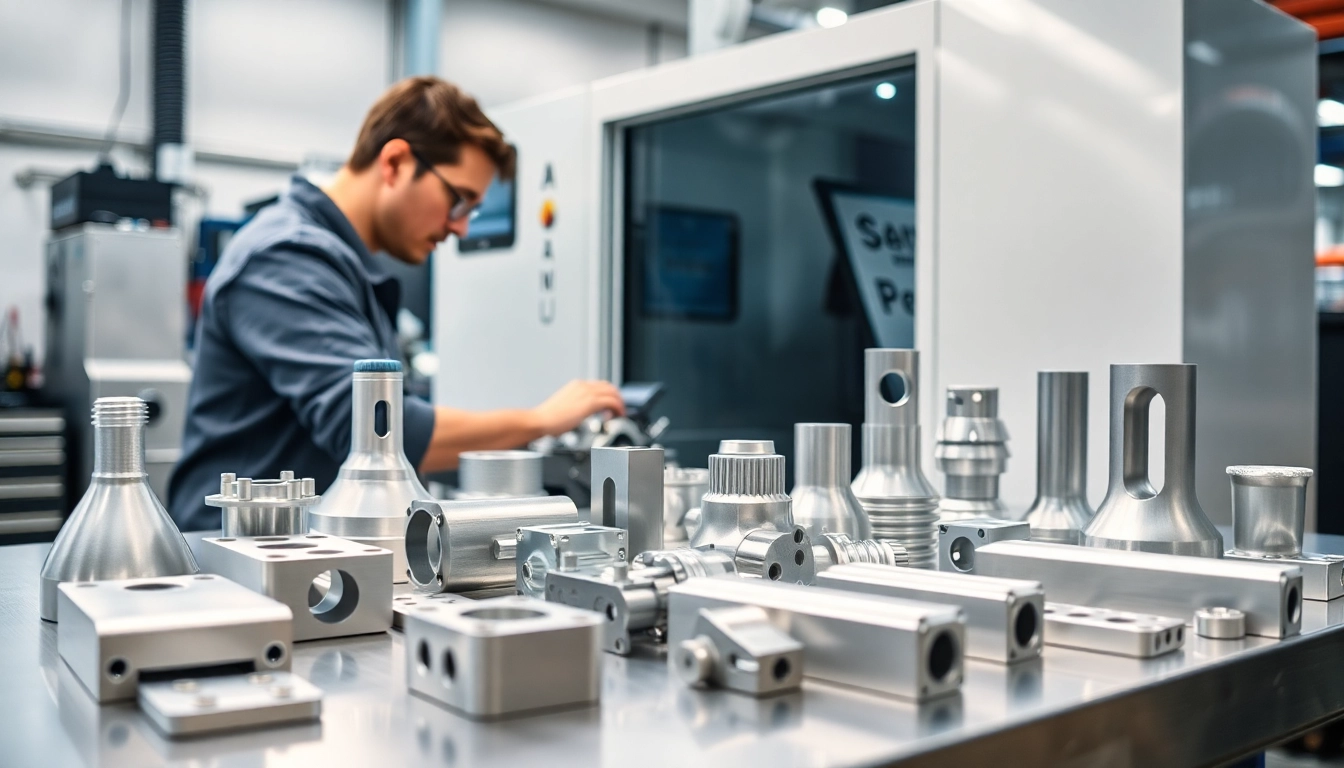
Understanding Aluminum Prototypes
What Are Aluminum Prototypes?
Aluminum prototypes are initial models or exploratory representations of products made from aluminum. They serve as tangible manifestations of ideas, allowing designers and engineers to evaluate the physical and functional attributes of a product before mass production. These prototypes can be crafted through various methods, including CNC machining, casting, and additive manufacturing, thereby showcasing the flexibility of aluminum as a prototyping material.
The inherent properties of aluminum, such as light weight, strength, and corrosion resistance, make it an ideal choice for prototypes across a multitude of industries. Businesses leverage aluminum prototypes to test designs, validate concepts, and save time and costs associated with production trials.
The Benefits of Using Aluminum Prototypes
Aluminum prototypes offer a myriad of benefits that contribute to the product development cycle:
- Enhanced Machinability: Aluminum is easier to machine compared to many other metals, which allows for complex shapes and features to be fabricated with precision.
- Cost-Effectiveness: Due to its ease of machining and availability, aluminum becomes a cost-efficient option for prototyping, reducing production costs in the early stages.
- Weight Savings: The lightweight nature of aluminum helps in creating prototypes that are easy to handle and transport, especially important in aerospace and automotive industries.
- Thermal Conductivity: Aluminum has excellent thermal conductivity, making it suitable for prototypes needing heat dissipation, like in electronics.
- Corrosion Resistance: The natural oxidization of aluminum provides a protective layer, enhancing its durability in various environments.
Common Applications for Aluminum Prototypes
Aluminum prototypes find applications in various fields:
- Aerospace: Used for components requiring lightweight yet strong materials capable of withstanding extreme conditions.
- Automotive: Essential for testing parts for fit, function, and durability before full-scale production.
- Consumer Electronics: Creating housing for devices that require effective heat management and sturdy designs.
- Medical Devices: Prototypes help in the development of ergonomic designs and precise functionality assessments.
- Industrial Equipment: Used to validate designs for machinery and tools that require strength and precision.
Design Considerations for Aluminum Prototypes
Material Selection: Why Aluminum?
Choosing aluminum for prototyping stems from its unique properties that cater to the demands of modern engineering. Factors such as strength-to-weight ratio, machinability, and thermal conductivity make aluminum an invaluable asset in prototype development. Its versatility allows it to be utilized in various production techniques, accommodating different complexity levels and design specifications.
Additionally, aluminum’s recyclability aligns with sustainable practices in manufacturing, further emphasizing its use as a prototyping material that facilitates eco-friendly product development.
Best Practices for Designing Aluminum Prototypes
When designing aluminum prototypes, several best practices should be observed:
- Understand the Design Intent: Clearly define the goals of the prototype and its critical features.
- Incorporate Tolerances: Account for practical tolerances to ensure functionality aligns with engineering standards.
- Minimize Weight: Utilize design strategies like lattice structures to reduce weight while maintaining strength.
- Simplify Assembly: Design components for ease of assembly and disassembly to improve testing and iteration processes.
- Prototype in Phases: Consider iterative prototyping to refine designs incrementally based on testing outcomes.
Prototyping vs. Production: Key Differences
Understanding the distinctions between prototyping and production is crucial in the manufacturing process:
- Purpose: Prototypes are primarily for testing and validation, while production focuses on mass manufacturing for market supply.
- Precision and Tolerance: Prototypes may have looser tolerances compared to the strict precision required in production runs.
- Material Cost: Prototypes often utilize less expensive or easier-to-machine materials, whereas production may require higher quality standards.
- Quantity: Prototyping involves small quantities, while production aims for a larger scale to meet demand.
- Feedback Cycle: Prototypes undergo several revisions based on feedback, while production focuses on efficiency and consistency.
Manufacturing Processes for Aluminum Prototypes
CNC Machining Techniques for Aluminum Prototypes
CNC (Computer Numerical Control) machining is a versatile process that excels in creating precision aluminum prototypes. It involves the use of automated machines guided by computer programs to carve out intricate designs with high accuracy. Popular CNC processes applicable to aluminum prototypes include:
- Milling: Removes material from the prototype to create a desired shape using rotary cutters.
- Drilling: Creates holes within the aluminum components for assembly or functionality.
- Laser Cutting: A highly accurate method to create complex profiles and designs efficiently.
The capabilities of CNC machines mean that designers can create prototypes with geometric complexity that would be unattainable with traditional methods, providing a level of customization that gives companies a competitive edge.
Sand Casting vs. CNC Prototyping
Two common methods for aluminum prototyping are sand casting and CNC machining. Each has its benefits and drawbacks:
- Sand Casting:
- Often more cost-effective for large parts or low-run production.
- Good for creating complex shapes that would be difficult to machine.
- Longer lead times compared to CNC machining.
- CNC Machining:
- Ideal for high precision and tight tolerances.
- Allows for quick adjustments and iterations on designs.
- More expensive for high-volume production due to tooling costs.
The choice between sand casting and CNC machining will often depend on the specific requirements of the project, including budget, timeline, and design complexity.
Rapid Prototyping Methods for Efficiency
Rapid prototyping encompasses various techniques focused on quickly fabricating a scale model of a physical part or assembly. Techniques include:
- 3D Printing: Allows for quick iterations of designs using fused deposition modeling or selective laser sintering.
- Vacuum Casting: Fast production of silicone molds to create polyurethane parts resembling the final product.
- Injection Molding: Useful for higher volumes, allowing manufacturers to test features and functionality with thermoplastics before switching to aluminum.
By leveraging these rapid prototyping methods, businesses can significantly reduce product development times, ultimately accelerating time-to-market.
Performance Evaluation of Aluminum Prototypes
Testing and Validation Methods
Once aluminum prototypes are developed, rigorous testing and validation processes are essential to assess their performance. Common methods include:
- Mechanical Testing: Assess the prototype’s strength, toughness, and fatigue limits under varying conditions.
- Thermal Testing: Evaluate how prototypes react to extreme temperatures and thermal cycling.
- Fit and Function Testing: Ensure that all components work together seamlessly in the prototype phase.
- Compliance Testing: Verify that the prototype meets industry regulations and standards.
Appropriate testing techniques lead to insightful data that helps pinpoint design flaws and areas for improvement.
Interpreting Test Results for Design Improvements
As data accumulates from performance evaluations, interpreting the results is critical to enhancing future iterations. Best practices involve:
- Data Analysis: Utilizing statistical analysis to identify trends within test results to understand strengths and weaknesses.
- Feedback Loops: Employing insights gained from the prototypes to influence the design in subsequent iterations or final production models.
- Collaborative Reviews: Involving cross-functional teams in understanding testing outcomes to cultivate innovative solutions.
Each prototype serves as not just a test subject but as an educational tool, refining both the product and the development process.
Case Studies of Successful Aluminum Prototypes
Real-world examples of successful aluminum prototypes can underscore the benefits of using this material:
- Aerospace Component: A leading manufacturer developed an aluminum wing structure prototype that significantly reduced weight, leading to enhanced fuel efficiency. The iterative designs allowed for rapid adjustments based on flight simulations.
- Consumer Product: An electronics firm created an aluminum prototype for a smartphone casing, allowing engineers to test thermal management efficiently. Rapid adjustments during prototyping led to a sleek final design.
These case studies highlight the advantages of aluminum prototypes in improving performance, aesthetics, and functional reliability.
Future Trends in Aluminum Prototyping
Advancements in Aluminum Alloy Technologies
The future of aluminum prototyping looks promising with advancements in aluminum alloy technologies. New alloys are being developed with enhanced properties, such as increased strength, better fatigue resistance, and superior corrosion resistance. These innovations broaden the capabilities of aluminum prototypes, catering to distinct industry needs and expanding their applicability in demanding environments.
Sustainable Practices in Prototype Development
With growing awareness of environmental issues, sustainable practices are becoming essential in the development of prototypes. Aluminum’s recyclability is a key asset, while innovations like using recycled aluminum in prototypes further lessen environmental impacts. This trend aligns with global sustainability initiatives, allowing businesses to engage in more responsible manufacturing while meeting regulatory standards.
The Role of AI in Optimizing Aluminum Prototyping
Artificial intelligence is revolutionizing aluminum prototyping by optimizing design processes and enhancing manufacturing efficiency. AI-driven software can simulate and predict the performance of prototypes, offering insights that can guide iterative designs swiftly. This technological evolution reduces time and costs while improving product quality, effectively enabling companies to focus on innovation and rapid development.
FAQs
Is aluminum a common prototyping material?
Yes, aluminum is a popular choice for prototyping due to its ease of machining, low tool wear, and excellent mechanical properties.
What are the primary advantages of aluminum prototypes?
Aluminum offers advantages like lightweight, strength, corrosion resistance, and excellent machinability, making it ideal for various prototypes.
Can aluminum undergo CNC machining?
Absolutely! Aluminum is highly machinable, allowing for efficient CNC operations that can produce intricate designs with precision.
How do prototypes differ from production parts?
Prototypes are primarily for testing and validation, while production parts focus on mass manufacturing, requiring tighter tolerances and cost-efficiency.
What is the role of testing in aluminum prototyping?
Testing validates functionality and performance, allowing designers to identify flaws and improve prototypes before final production.

