
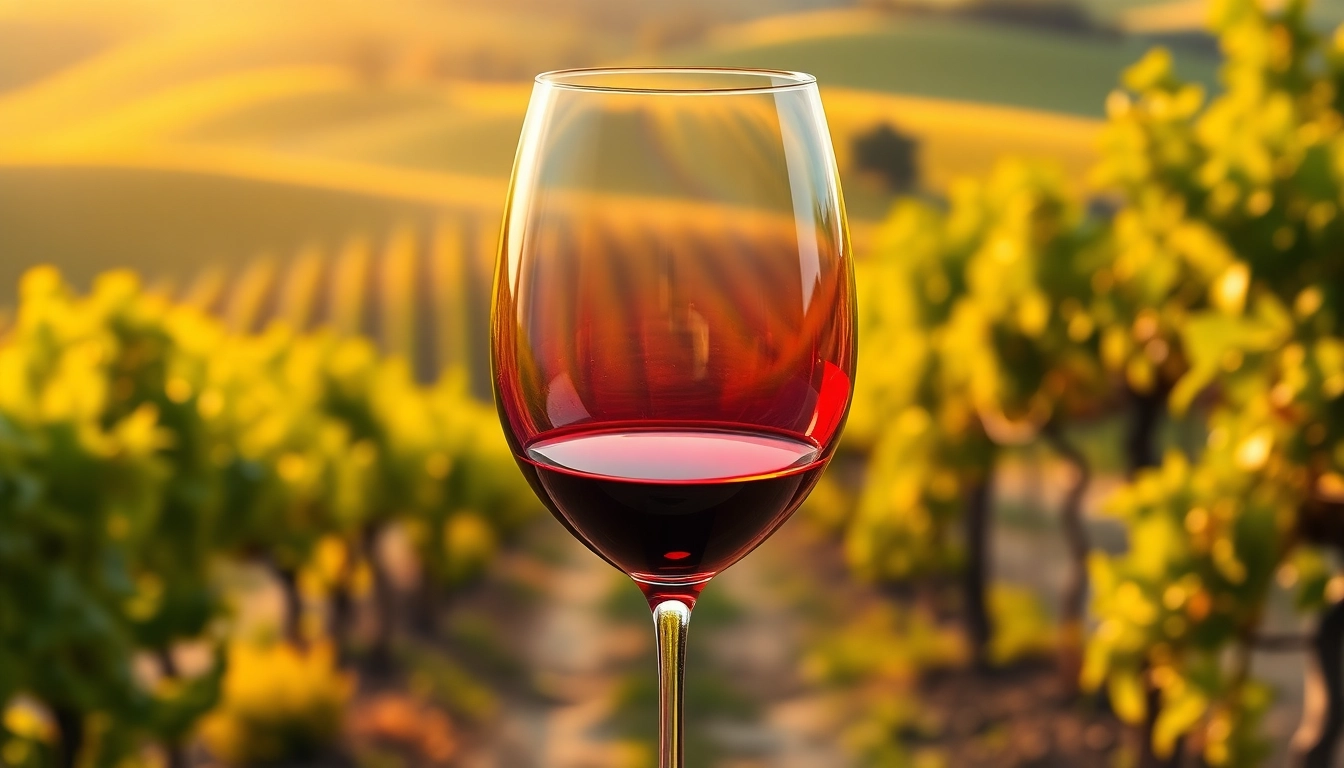
Understanding Tempranillo
What is Tempranillo?
Tempranillo is a prominent black grape variety recognized for producing some of the most celebrated wines from Spain and Portugal. This variety’s versatility enables it to thrive in diverse climates, culminating in wines that display a rich tapestry of flavors. Frequently referred to as Spain’s flagship grape, Tempranillo is characterized by its deep color, moderate acidity, and a full-bodied structure. If you’re seeking an exceptional wine experience that reflects the essence of its terroir, Tempranillo should be at the top of your list.
History and Origins of Tempranillo
The origins of Tempranillo are steeped in ancient viticulture. Believed to date back over a thousand years, its lineage reflects Spain’s rich history and tradition in winemaking. Recent studies suggest that the grape possibly descends from the Iberians’ early cultivation efforts, with written records from the 13th century documenting its presence in the La Rioja region. Each region where Tempranillo is grown has its own unique adaptations, leading to a diversity of tastes and styles within this grape variety.
Flavor Profile and Characteristics of Tempranillo
Tempranillo is known for its ability to express a myriad of flavors, ranging from red and dark fruits like cherries and plums to more complex notes such as tobacco, leather, and earthy undertones. As the wine ages, it often presents additional layers of flavor, making it a favorite among wine connoisseurs. Typically medium to full-bodied, Tempranillo has moderate tannins and acidity, balancing fruitiness with richness, which allows it to pair well with a variety of dishes.
Popular Growing Regions for Tempranillo
Spain: The Heartland of Tempranillo
Spain stands as the epicenter of Tempranillo cultivation, particularly in the renowned regions of Rioja, Ribera del Duero, and Priorat. In Rioja, Tempranillo forms the backbone of classic blends, often combined with garnacha and graciano. The diverse microclimates and soils contribute to a rich array of Tempranillo wines, which can vary considerably in style and taste. The region’s aging regulations also play a significant role in the wine’s characteristics, with designs ranging from joven (young) to gran reserva (aged).
Portugal’s Role in Tempranillo Cultivation
In Portugal, Tempranillo is best known as Tinta Roriz or Aragonez. It is a key player in many red blends, especially in the Alentejo and Dão regions. The Portuguese interpretation of Tempranillo often emphasizes ripe fruits and floral notes, contributing to an elegant and well-balanced profile. Additionally, winemakers are increasingly experimenting with varietals, expanding Tempranillo’s expression beyond traditional boundaries.
New World Regions for Tempranillo
Beyond its traditional roots, Tempranillo has found a welcoming environment in New World regions, particularly in Australia and California. In these regions, winemakers leverage innovative techniques to accentuate Tempranillo’s unique traits while incorporating contemporary styles. Australian winemakers, for example, often create fruit-forward wines, while Californian vintners respect traditional methods, resulting in full-bodied wines with bright fruit character.
Food Pairings for Tempranillo
Best Dishes to Complement Tempranillo
Tempranillo’s versatile flavor profile allows it to pair excellently with various cuisines. Dishes like grilled lamb, roasted chicken, and hearty stews showcase complementary flavors when served with Tempranillo. The wine’s rich tannins match well with fatty meats, while its acidity cuts through rich sauces, making it a dining favorite among enthusiasts.
Cheese Pairings with Tempranillo
When it comes to cheese, Tempranillo shines alongside aged cheeses such as manchego, gouda, or sharp cheddar. The cheese’s richness and tang can elevate the wine’s fruity and earthy notes, creating a harmonious balance that enhances the tasting experience. For a delightful pairing, consider a cheese platter that incorporates a mix of textures and flavors, ensuring that your Tempranillo stands out.
Creative Cooking with Tempranillo
Tempranillo can also be an excellent ingredient in cooking, particularly in sauces for meats or stews. Utilizing it in reductions can add depth to the dish, providing robust flavor and acidity. Consider using Tempranillo when braising short ribs or making a rich sauce for pasta, enhancing your culinary creations while showcasing the essence of this beloved grape variety.
Buying and Storing Tempranillo
How to Choose the Right Tempranillo Wine
Choosing the right Tempranillo involves considering factors such as region, age, and producer reputation. Look for producers from well-known regions like Rioja for traditional profiles or newer areas for innovative styles. Younger wines are generally fruit-forward and approachable, while aged examples offer more complexity and depth. Reading tasting notes and reviews can also guide your selections based on your preference for flavor profiles and wine styles.
Proper Storage Techniques for Tempranillo
To preserve the quality of Tempranillo, proper storage is essential. Wines should be kept in a cool, dark place with stable temperatures, ideally between 50°F to 60°F (10°C to 15°C). Storing bottles horizontally allows the cork to stay moist, preventing air from entering. Avoid fluctuations in temperature and humidity to maintain the wine’s integrity over time, ensuring the best experience when you’re ready to uncork.
Tempranillo Wine Prices: What to Expect
Tempranillo wines vary widely in price depending on region, quality, and producer. Entry-level wines can be found starting around $10, while premium bottles from recognized vintners or prestigious regions can exceed $100. Consider your budget and occasion when selecting a bottle, and remember that a higher price does not always guarantee a better experience; it’s about personal taste and preferences.
FAQs about Tempranillo
Is Tempranillo similar to Pinot Noir?
Tempranillo and Pinot Noir have distinct characteristics. While both can display red fruit flavors and complexity, Tempranillo typically offers a fuller body and earthy notes, making it richer and more structured compared to the lighter-bodied, more delicate Pinot Noir.
What is Tempranillo called in Portugal?
In Portugal, Tempranillo is commonly referred to as Tinta Roriz or Aragonez. It plays a vital role in many Portuguese blends, showcasing its adaptability to various terroirs and styles.
How should I serve Tempranillo?
Tempranillo is best served at a temperature of 60°F to 65°F (15°C to 18°C). Consider decanting aged wines for about 30 minutes to enhance their aromas and flavors, while younger wines can be enjoyed straight from the bottle.
What are the best food pairings for Tempranillo?
Tempranillo pairs well with a variety of dishes, including grilled meats, stews, and rich pasta. It also complements aged cheeses and earthy flavors, creating a delightful balance with its tannins and acidity.
What distinguishes Tempranillo from other wines?
Tempranillo’s unique combination of flavors, including red fruits, leather, and earthy notes, set it apart from other wines. Its adaptability to different climates and winemaking styles further enhances its distinctiveness, offering a wide spectrum of tasting experiences.