
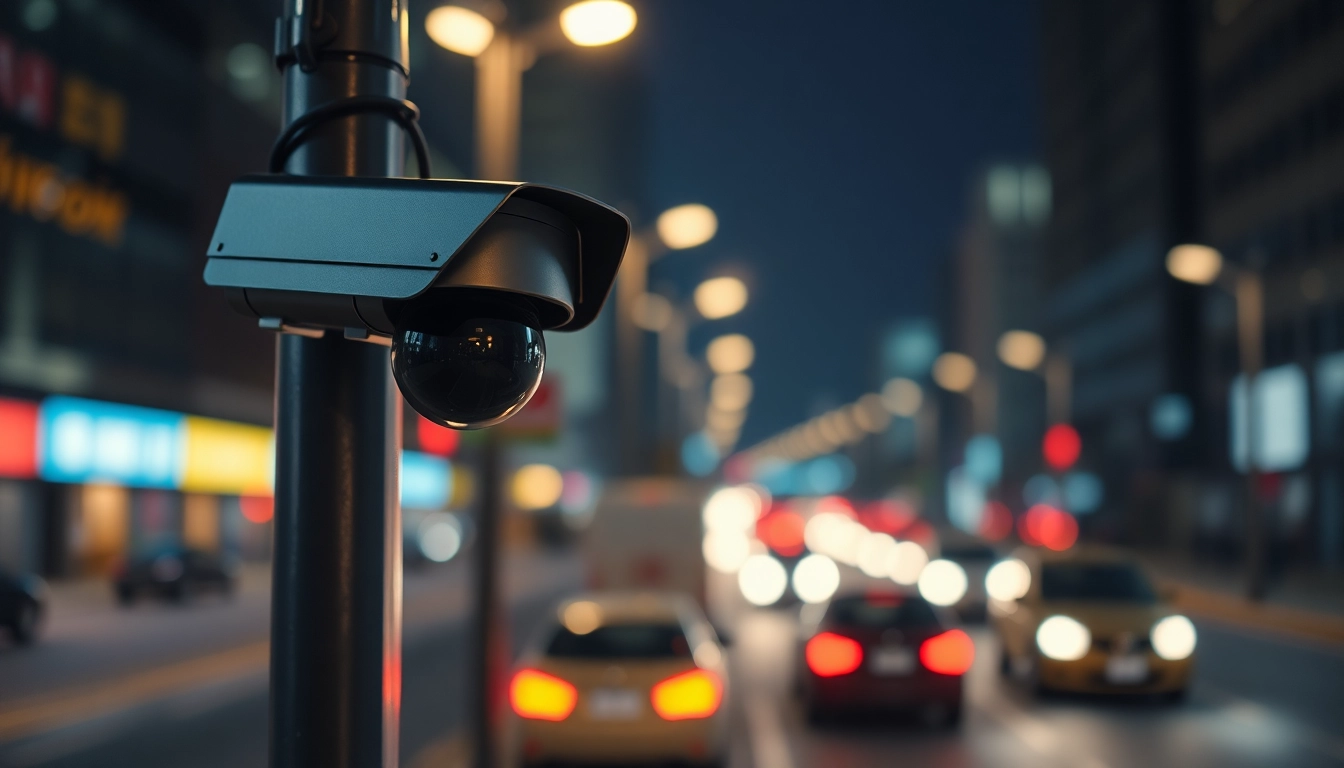
Introduction to Automatic License Plate Recognition
Automatic License Plate Recognition (ALPR) is a cutting-edge technology that has gained significant traction in recent years. Its ability to instantly capture and process the registration numbers of vehicles makes it an invaluable tool across various sectors, from law enforcement to urban planning. Implementing automatic license plate recognition can streamline operations and improve public safety. This article delves into the intricacies of ALPR, exploring how it works, its advantages, the challenges it faces, and the future of this innovative technology.
What is Automatic License Plate Recognition?
Automatic License Plate Recognition is an advanced technology that uses optical character recognition (OCR) on images to read vehicle license plates. The system captures a photograph of a vehicle and sends the image to the OCR software, which translates the captured image data into textual information—specifically, the alphanumeric characters on the license plate. This digital information can then be cross-referenced with databases for various applications, including vehicle ownership verification, tracking stolen vehicles, and managing traffic flow.
How Automatic License Plate Recognition Works
ALPR systems combine hardware and software components to perform efficiently. The primary steps in an ALPR system are as follows:
- Image Capture: ALPR cameras use high-resolution imaging techniques to capture clear images of license plates from various angles and lighting conditions.
- Image Processing: Once the image is captured, the software applies filters to enhance the image quality, removing noise and enhancing contrast for better readability.
- Character Recognition: Optical Character Recognition technology scans the image, identifying the characters and translating them into text.
- Data Comparison: The recognized textual data is then compared against pre-defined databases (like hotlists) to identify vehicles of interest.
- Data Storage: Successful captures, along with their related metadata (such as time and location), are stored for future reference and analysis.
Key Components of Automatic License Plate Recognition Systems
The effectiveness of any ALPR system depends on its components. Key elements include:
- Cameras: High-speed, high-resolution cameras that can capture images at various speeds and conditions, often outfitted with infrared technology for night-time operation.
- Processing Units: Powerful processors or cloud solutions that execute the necessary software algorithms for image analysis, character recognition, and database comparisons.
- Databases: Secure databases that store vehicle information, legal records, and historical data for real-time analysis and retrieval.
- Software: Specialized ALPR software that encompasses the OCR technology, data matching algorithms, and user interfaces for operational management.
- Network Components: Reliable networking solutions to ensure seamless communication between the cameras, processing units, and storage systems.
Advantages of Automatic License Plate Recognition Technology
ALPR technology holds significant advantages for various applications, primarily in public safety, urban management, and efficiency.
Enhanced Traffic Management
One of the foremost advantages of automatic license plate recognition is its capacity to manage traffic effectively. Traffic management authorities can implement ALPR systems to monitor traffic flow, identify congested areas, and enhance decision-making processes about road usage. By collecting data on vehicle movement patterns, authorities can optimize traffic signal timings and even plan road expansions based on real-time data.
Crime Prevention and Law Enforcement
In law enforcement, ALPR plays a critical role in crime prevention and investigation. It enables law enforcement agencies to track stolen vehicles, find vehicles linked to criminal activity, and enforce parking regulations. The ability to quickly match captured plates with hotlists allows for timely interventions, thereby enhancing community safety.
Data Collection and Analysis
ALPR systems are potent tools for data collection and analysis. They generate comprehensive data sets, which can be analyzed to gain insights into traffic trends, peak usage hours, and typical vehicle types in various areas. This data aids in planning urban developments, public transportation optimizations, and identifying areas needing more security measures.
Challenges and Limitations of Automatic License Plate Recognition
While the benefits of automatic license plate recognition are extensive, various challenges and limitations warrant attention.
Privacy Concerns
Privacy is one of the most debated issues surrounding ALPR systems. The capability to track vehicle movements raises significant concerns about unauthorized surveillance and data misuse. Striking a balance between effective law enforcement and protecting individual privacy rights is a challenge that needs addressing.
Data Security Risks
Security of collected data is paramount. With the rise in cybersecurity threats, ALPR systems are susceptible to unauthorized access and data breaches. Ensuring robust security measures like encryption, user authentication, and regular audits is essential to maintain data integrity and confidentiality.
Accuracy and Reliability Issues
The accuracy of ALPR systems can be affected by various factors such as environmental conditions, camera quality, and license plate design. Challenges like weather conditions, lighting, and reflective surfaces can hinder effective license plate reading. Continuous advancements in technology are necessary to improve the reliability of ALPR systems.
Implementation of Automatic License Plate Recognition Systems
To reap the benefits of ALPR technology, effective implementation is vital. This section outlines the steps to deploy ALPR systems, best practices, and cost considerations.
Steps to Deploy Automatic License Plate Recognition
Implementing an ALPR system involves several key steps:
- Needs Assessment: Evaluate the specific requirements and objectives of the ALPR implementation, including expected benefits and challenges.
- Location Planning: Determine optimal camera placements to ensure maximum coverage and effectiveness in capturing license plates.
- Procurement: Purchase the necessary hardware and software that meet the required specifications for performance and reliability.
- Integration: Install and integrate the ALPR system with existing infrastructure, ensuring compatibility with other technologies being used.
- Training: Provide adequate training for personnel who will be operating and analyzing the data the system generates.
- Testing and Calibration: Conduct testing to calibrate the system, ensuring it operates optimally under various conditions.
Best Practices for Effective Use
Implementing best practices can significantly enhance the effectiveness of ALPR systems:
- Regular Updates: Keep software updated to incorporate the latest features, security protocols, and analysis capabilities.
- Data Management Policies: Establish formal data retention and management policies to address privacy and compliance regulations.
- Stakeholder Engagement: Involve stakeholders including law enforcement, local communities, and privacy advocates to address concerns and expectations.
- Performance Monitoring: Continuously monitor system performance and make necessary adjustments to optimize data capture and processing.
Cost Considerations for Implementation
Deploying an ALPR system involves various costs:
- Initial Setup Costs: Expenses incurred during the purchase of hardware, software, and installation services.
- Operational Costs: Ongoing costs related to system maintenance, software updates, and personnel training.
- Data Storage Costs: Costs associated with data storage solutions, including cloud services or on-premise servers.
- Compliance Costs: Expenses related to ensuring adherence to legal and regulatory frameworks relevant to data privacy.
Future Trends in Automatic License Plate Recognition
As technology evolves, so too do the capabilities and applications of ALPR systems. Understanding future trends is crucial for leveraging this technology effectively.
Emerging Technologies and Developments
Recent advancements in artificial intelligence (AI) and machine learning (ML) are poised to enhance ALPR technology. Improvements in image capture and recognition algorithms can lead to higher accuracy rates, even in challenging conditions. Furthermore, utilizing AI may offer predictive analytics capabilities, helping authorities anticipate traffic patterns and potential incidents.
Integration with Smart City Initiatives
As cities embrace smart technologies, ALPR systems are becoming integral to urban planning and management. Integration with smart traffic systems can facilitate better traffic flow, reduce congestion, and improve public transport efficiency. Additionally, the connection with IoT devices can offer real-time data insights for a more interconnected urban environment.
Regulatory Changes Affecting Use
The landscape of regulations governing ALPR usage is dynamic. As privacy concerns grow, many jurisdictions are reevaluating their laws surrounding the use of ALPR technology. Keeping abreast of these changes is essential to ensure compliance and ethical use of data gathered by these systems.
FAQs
What are the primary uses of automatic license plate recognition?
Automatic license plate recognition is primarily used in law enforcement for tracking stolen vehicles, managing traffic flow, and enforcing parking regulations.
How accurate are ALPR systems?
While accuracy rates vary, most modern ALPR systems boast accuracy between 85% to 95%, depending on conditions such as lighting and camera quality.
Can ALPR technologies be used in rural areas?
Yes, ALPR technologies can be deployed in rural areas, though installation might be limited based on traffic density and camera infrastructure.
What security measures are in place for ALPR data?
Geared towards safeguarding privacy, ALPR systems often utilize encryption, access control, and regular audits to protect collected data.
Are there alternatives to automatic license plate recognition?
Yes, alternatives include manual plate reading, as well as newer technologies like vehicle fingerprinting and mobile applications that assist in plate recognition.