Introduction to Structural Steel Installation
Definition and Importance of Structural Steel Installation
Structural steel installation is a critical process in construction, involving the assembly of steel components that provide support and strength to buildings and infrastructure. This method employs a range of steel profiles, shapes, and sizes to create frameworks that can withstand loads and forces. The significance of structural steel installation extends beyond mere physical support – it encompasses safety, durability, and design flexibility. As cities expand and evolve, the demand for robust, resilient structures rises, making expertise in structural steel installation more crucial than ever.
Key Components of Structural Steel Systems
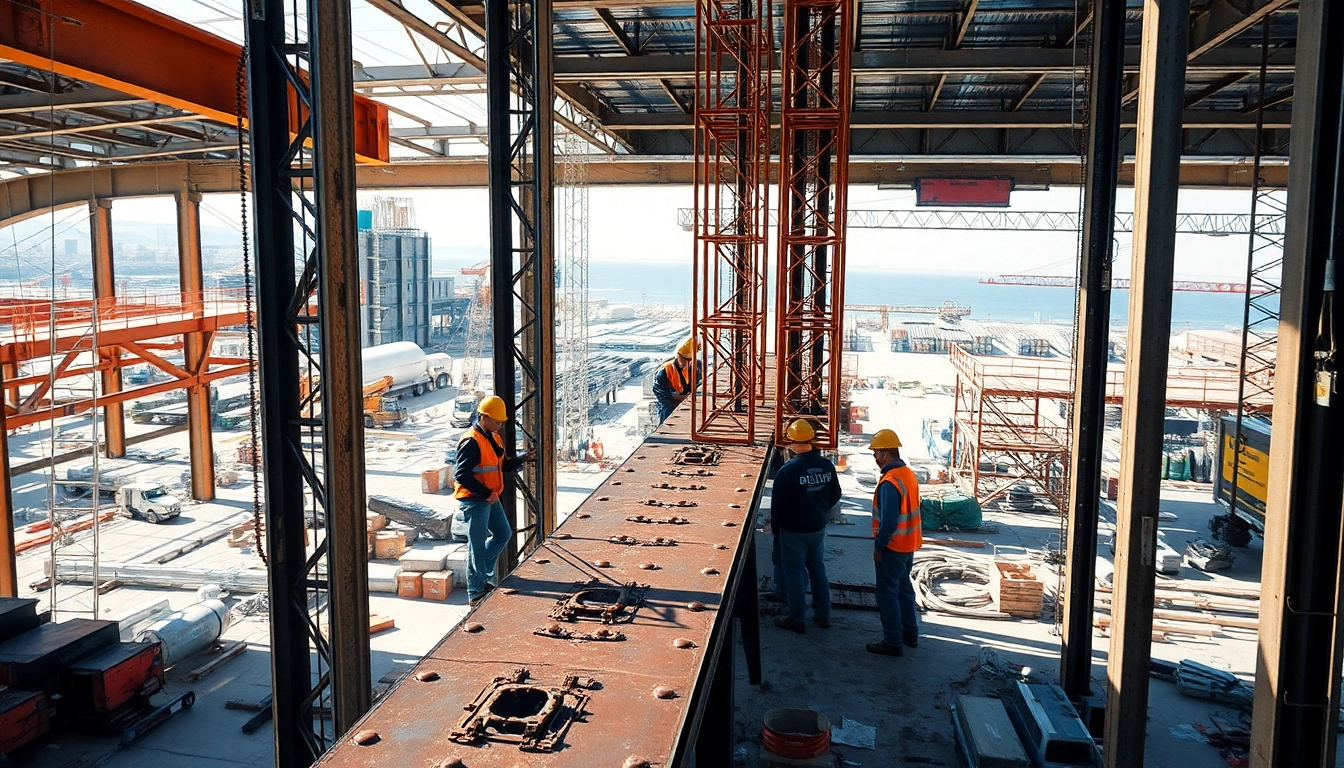
A structural steel system comprises several key components that work together to form a complete framework. These components include beams, columns, braces, and connections. Beams are horizontal elements that support loads from above, while columns are vertical supports transferring loads to the ground. Braces provide lateral stability, preventing the structure from swaying or collapsing, particularly in high winds or seismic activities. Connections play a vital role in joining these elements securely, ensuring that forces are transferred efficiently throughout the structure.
Common Applications and Industries Utilizing Structural Steel Installation
Structural steel is utilized across a variety of applications, catering to multiple industries. Common uses include commercial buildings, industrial facilities, bridges, and residential projects. Steel’s strength-to-weight ratio makes it an ideal choice for high-rise buildings, where minimizing weight without sacrificing strength is essential. In the manufacturing sector, structural steel installation supports machinery and operational frameworks, while in transportation, it forms the basis for bridges and highways, ensuring safety and longevity.
Planning and Preparation for Structural Steel Installation
Assessing Project Requirements and Specifications
Before commencing with structural steel installation, it is crucial to assess the project requirements thoroughly. This involves understanding the engineering specifications, load calculations, material strengths, and environmental considerations. Collaborating with architects, engineers, and project managers ensures that all aspects are well-defined, preventing pitfalls during the installation phase. A meticulous planning phase leads to clearer execution and minimizes costly delays.
Site Preparation and Safety Considerations
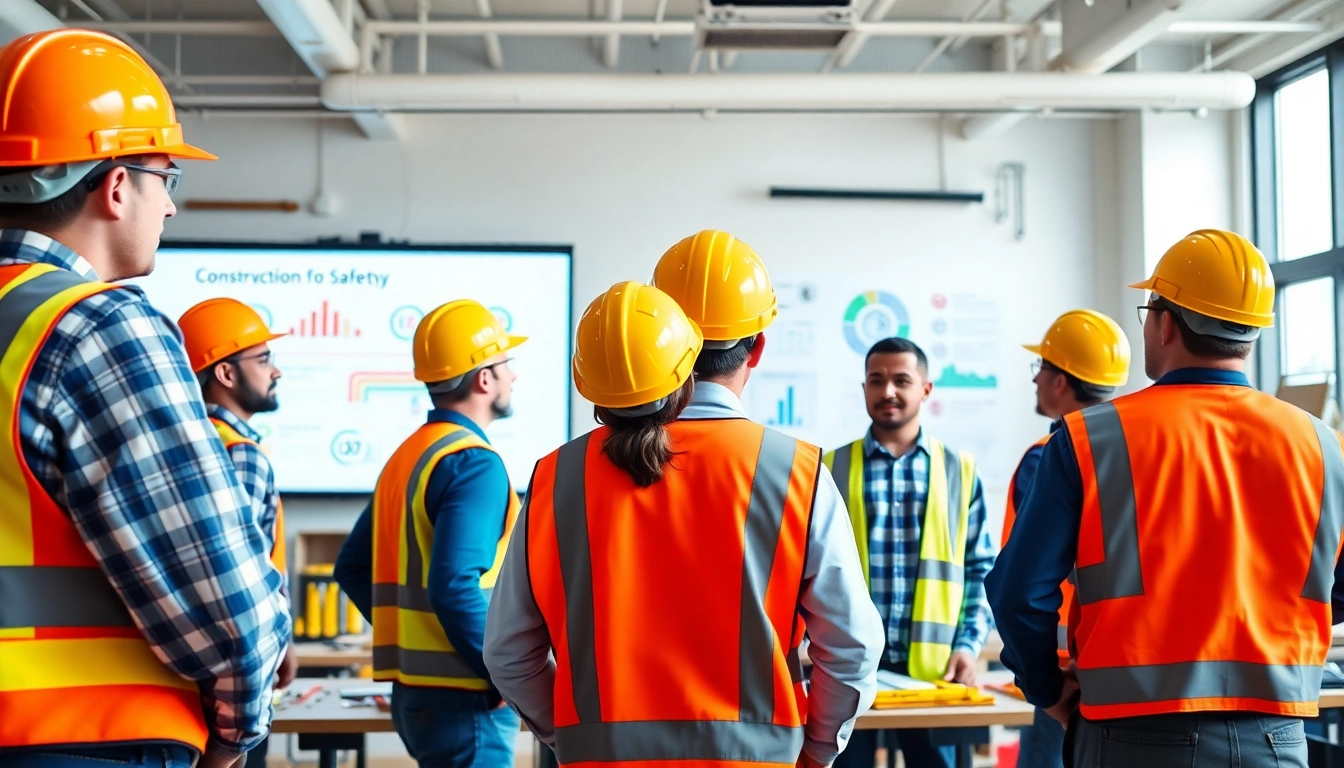
Effective site preparation is paramount for a successful structural steel installation. The site must be cleared and graded to ensure stability, with adequate safety measures in place to protect workers. This includes implementing barriers, ensuring proper signaling for cranes and lifts, and providing personal protective equipment (PPE) for all personnel. Safety protocols contribute not only to worker well-being but also to the timely completion of the project.
Choosing the Right Materials for Structural Steel Installation
Selecting the appropriate materials is essential for the integrity and longevity of the structure. Factors such as environmental conditions, load requirements, and budget constraints influence material choices. Different grades of steel exhibit unique properties, making them suitable for specific applications. For instance, weathering steel resists corrosion, making it ideal for outdoor constructions, while high-strength steel is preferred for projects requiring minimal weight without compromising strength.
Methods and Techniques in Structural Steel Installation
Different Types of Structural Steel Installation Techniques
There are various techniques employed in structural steel installation, each suited to specific project needs. The most common methods include traditional bolted connections, welded connections, and pre-engineered framing systems. Bolted connections are frequently used due to their speed and ease of assembly, while welding offers superior strength in specific applications. Pre-engineered systems present solutions that streamline installation, minimize waste, and significantly cut down project timelines.
Tools and Equipment for Efficient Structural Steel Installation
The right tools and equipment can greatly enhance the efficiency of structural steel installation. Common tools include cranes, rigging systems, leveling instruments, and power tools such as drills and grinders. Employing advanced technology, such as laser scanning and Building Information Modeling (BIM), can optimize placement accuracy and enable seamless integration with other construction processes. By utilizing innovative tools, teams can improve precision and reduce installation time.
Best Practices to Ensure Quality in Structural Steel Installation
Quality assurance is paramount in structural steel installation. Adhering to best practices involves regular inspections, quality control measures at every stage of fabrication and installation, and ongoing staff training. Employing a combination of visual inspections and non-destructive testing (NDT) methods helps identify integrity issues before they escalate. Following established codes and standards also ensures that the installation meets both safety and quality benchmarks.
Challenges Faced during Structural Steel Installation
Identifying Common Obstacles in the Installation Process
The installation of structural steel is not without its challenges. Common obstacles include weather conditions, logistical complexities, and coordination between on-site teams. Adverse weather can delay lifting operations, while legacies of outdated site layouts can hinder efficient material movement. Proper forecasting and contingency planning are essential in mitigating these issues, ensuring that timelines remain intact.
Mitigation Strategies for Structural Steel Installation Issues
Developing robust mitigation strategies can minimize the impact of installation challenges. Implementing an agile project management approach allows teams to respond quickly to unforeseen delays. Regular communication between engineering, site management, and logistics teams fosters a collaborative environment, enabling proactive problem-solving. By conducting routine risk assessments throughout the installation process, teams can identify potential hazards and take preventive measures.
Case Studies of Successful Structural Steel Installation Projects
Examining successful structural steel installation projects provides valuable insights into best practices and strategies employed by leading builders. Notable case studies detail projects where meticulous planning and innovative techniques led to exceptional outcomes. For instance, the installation of a high-rise building in an urban setting showcases the effectiveness of advanced cranes and planning technology to navigate tight spaces. Such successful projects serve as benchmarks for future endeavors, illustrating that thorough preparation and execution yield positive results.
Measuring Success in Structural Steel Installation
Key Performance Indicators for Structural Steel Installation
Measuring success in structural steel installation relies on well-defined Key Performance Indicators (KPIs). KPIs might include installation time, safety incidents, material wastage, and adherence to budget forecasts. By tracking these metrics, project managers can evaluate performance effectiveness, identify areas for improvement, and make data-driven decisions in future projects. Regular analysis of KPIs also promotes accountability among team members and stakeholders.
Post-Installation Evaluations and Quality Checks
Post-installation evaluations are essential for assessing the quality of structural steel work. These evaluations should include detailed inspections of welds, connections, and overall alignment. Quality checks often employ advanced technology, such as 3D scanning, to verify compliance with design specifications. Such thorough assessments ensure long-term durability and performance, defining the project’s success and safeguarding against future structural failures.
The Future of Structural Steel Installation: Trends and Innovations
The future of structural steel installation is poised for transformation, driven by technological advancements and innovative methodologies. Trends such as modular construction, which allows for off-site assembly, are gaining traction for their efficiency and environmental benefits. Additionally, the integration of sustainability practices, such as using recycled steel, is becoming increasingly critical in meeting global standards and environmental regulations. As the industry continues to evolve, embracing these innovations will be key to staying competitive in a dynamic construction landscape.