
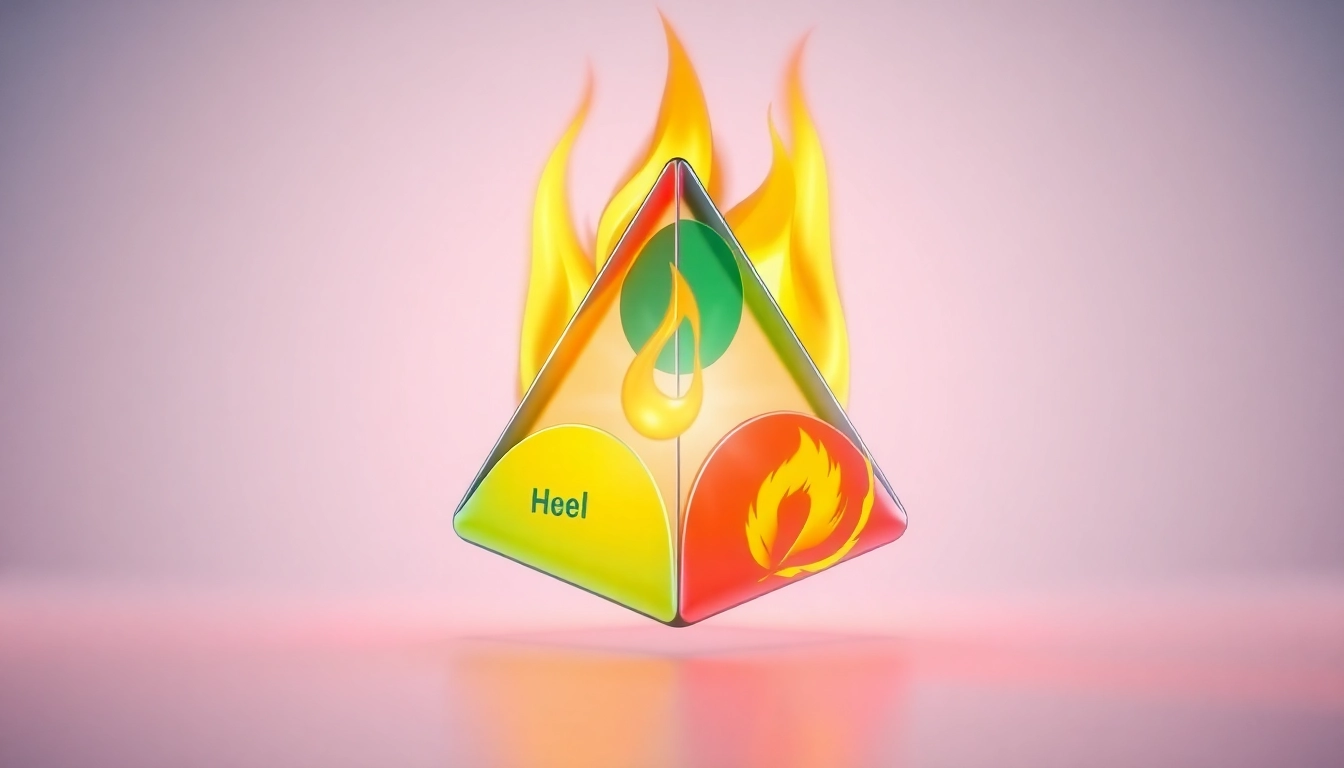
Introduction to the Fire Tetrahedron
Fire safety is an essential aspect of both residential and commercial environments. Understanding how fires ignite and propagate is crucial in fire prevention and suppression strategies. One of the key concepts in fire science is the fire tetrahedron, which provides a comprehensive framework for assessing the conditions necessary for combustion.
Defining the Fire Tetrahedron
The fire tetrahedron is a model that represents the four necessary elements that must be present for a fire to occur: fuel, heat, oxygen, and the chemical chain reaction. This modern representation extends the traditional fire triangle by incorporating the chemical chain reaction, which is vital for sustaining a fire once it has started. Each of these elements interacts in a unique way, and their combination means that understanding their roles is essential for effective fire safety practices.
Importance of the Fire Tetrahedron in Fire Safety
The fire tetrahedron is significant for several reasons. First, it educates individuals and industries about the basic requirements for fire ignition and sustainability. Firefighters, safety professionals, and emergency responders utilize it as a framework to develop fire prevention strategies and safety protocols. By comprehensively grasping this tetrahedron, industries can design processes and create environments that minimize fire risks.
Fire Tetrahedron vs. Fire Triangle
While the fire triangle — consisting of heat, fuel, and oxygen — has long been the standard model for fire education, it lacks the depth required in modern fire safety discourse. The fire tetrahedron addresses this gap by including the chemical chain reaction, which plays a critical role in maintaining fire. In summary, although both models highlight the essential components of a fire, the tetrahedron provides a more complete understanding necessary for effective fire management.
The Four Elements of the Fire Tetrahedron
Element 1: Fuel
Fuel is any material that can combust and support a fire. It can take various forms, including solids like wood, liquids like gasoline, or gases like propane. Understanding the type and quantity of fuel present in an environment is critical for fire safety. For instance, materials with lower ignition points require different precautionary measures compared to more stable fuels. Knowing your environment’s fuel sources allows for proactive fire prevention and control efforts.
Element 2: Heat
Heat is the energy source necessary to raise the temperature of fuel to its ignition point. This element can come from numerous sources, including electrical appliances, direct flame, or even spontaneous combustion. An important aspect of heat management is ensuring that it does not reach levels that could cause ignition. Being aware of how heat interacts with various fuels can help prevent potential fire incidents.
Element 3: Oxygen
Oxygen is typically provided by the ambient air we breathe, which contains approximately 21% oxygen. Adequate oxygen levels are crucial for combustion to sustain itself. This fact highlights the importance of ventilation in environments such as buildings or workshops. However, controlling the amount of oxygen present can be a tactical measure in fire control, like in certain firefighting methods where oxygen is deprived to extinguish flames.
The Chemical Chain Reaction
Understanding the Role of the Chain Reaction
The chemical chain reaction refers to the series of reactions that occur once a fire has started. Combustion involves a rapid chemical reaction between fuel and oxygen producing heat and light. This process continues as long as there are sufficient heat, fuel, and oxygen to sustain it. Recognizing this element of the tetrahedron helps facilitate more advanced fire-suppression techniques.
How to Break the Chain Reaction
To extinguish a fire, one or more elements of the fire tetrahedron must be removed. Breaking the chemical chain reaction can be achieved through various methods, including employing fire suppression systems that release agents to interrupt the reaction process. For instance, foam agents can blanket a fire and smother the reaction, effectively interrupting the combustion cycle.
Real-World Examples of Fire Tetrahedron Applications
The fire tetrahedron is not just a theoretical model; it has real-world applications in hazardous materials handling, fire department training methods, and industrial accident prevention programs. For example, many factories use the tetrahedron framework to assess risks associated with specific combustible materials, enabling them to implement safety protocols tailored to their unique environments.
Fire Safety Strategies Using the Fire Tetrahedron
Preventing Fires by Managing Elements
Prevention strategies revolve around controlling the elements of the fire tetrahedron. For instance, facilities can reduce fuel sources by implementing strict storage guidelines and managing how combustible materials are presented in workspaces. Training staff on proper protocols to manage heat sources is also crucial. Likewise, ensuring adequate ventilation can help maintain safe oxygen levels, minimizing the chances of a fire igniting.
Fire Suppression Techniques
Effective fire suppression techniques draw on the principles outlined in the fire tetrahedron. Different methods such as cooling, smothering with foam, or removing fuel effectively fall under the overarching principle of mitigating one of the tetrahedron’s core elements. Educating staff on these methods can make workplaces safer for everyone involved.
Training and Education for Fire Safety
Regular training and education around the fire tetrahedron and fire safety should be an integral part of any safety program. Workshops can cover the practical implications of each element, enabling everyone from management to employees to understand their roles in fire prevention. An informed workforce is more likely to adhere to safety protocols, significantly reducing the risk of incidents.
Common Questions About the Fire Tetrahedron
FAQs
1. What are the 4 elements of the fire tetrahedron?
The four elements are fuel, heat, oxygen, and the chemical chain reaction. Each must be present for a fire to ignite and continue burning.
2. How is the fire tetrahedron used in firefighting?
Firefighting strategies focus on removing one or more elements of the fire tetrahedron to extinguish flames – for example, using water to cool heat or foam to deprive oxygen.
3. What is the difference between the fire triangle and fire tetrahedron?
The fire triangle includes only heat, fuel, and oxygen, while the tetrahedron adds the chemical chain reaction, providing a more comprehensive understanding of fire dynamics.
4. How can I reduce fire risks in my home?
Reduce risks by managing fuel sources, safely handling heat-producing devices, ensuring proper ventilation, and regularly practicing fire safety education.
5. Can the fire tetrahedron be applied in industrial settings?
Yes, industries use the fire tetrahedron to assess and mitigate fire risks associated with hazardous materials, thereby developing customized safety protocols.
Conclusion and Final Thoughts
The fire tetrahedron serves as more than just an academic concept; it plays a crucial role in practical fire safety applications. Understanding and leveraging its components can significantly enhance fire prevention and suppression tactics in various settings. Through effective management of the elements involved, individuals and organizations can create safer environments and more comprehensive responses to fire hazards.