Understanding Fly Fishing Chest Packs
What is a Fly Fishing Chest Pack?
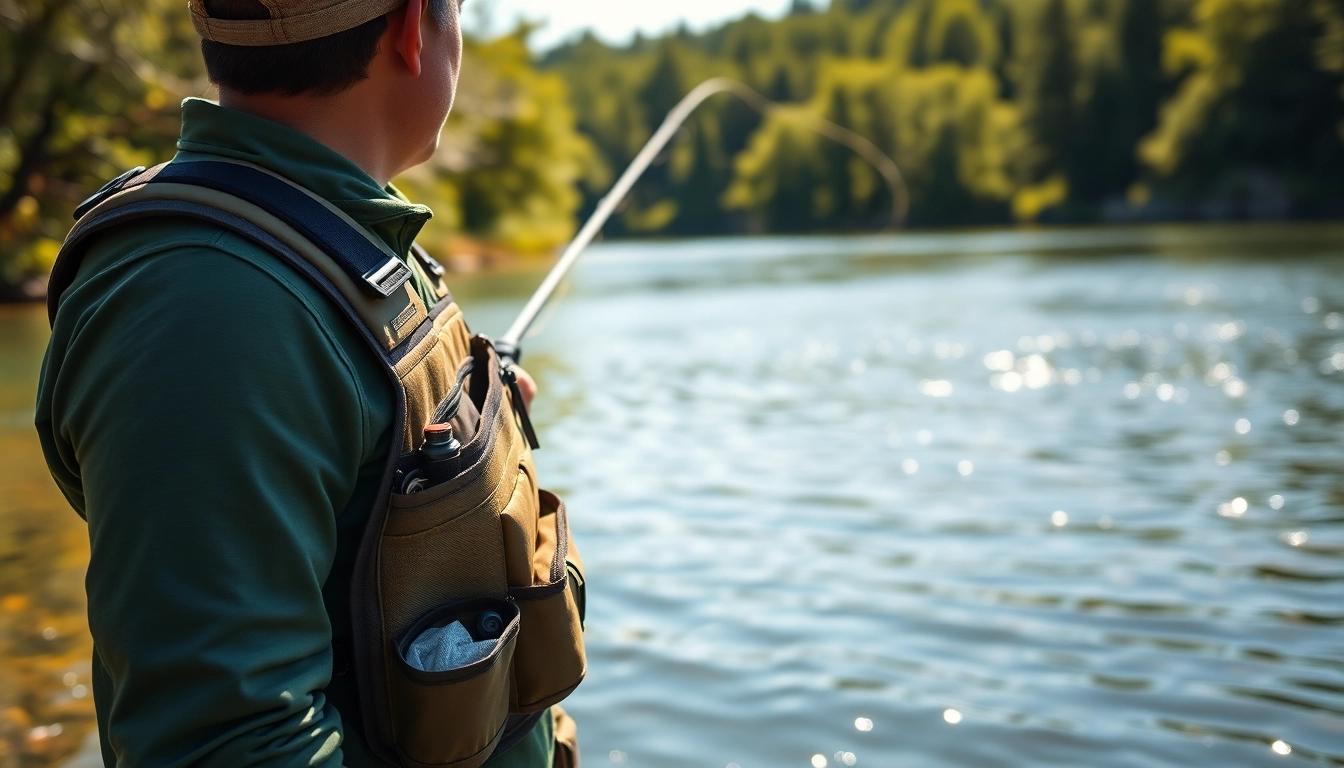
A fly fishing chest pack is a specialized piece of gear designed to carry essential fly fishing tools and equipment. This type of pack is worn on the chest, providing quick access to items while keeping hands free for fishing. Unlike traditional backpack and vest combinations, chest packs offer a minimalistic approach, allowing for mobility without sacrificing storage space.
These packs typically feature various pockets and compartments that can hold everything from flies and tippets to tools like nippers and forceps, making them an essential accessory for both amateur and professional anglers. The ideal fly fishing chest pack elegantly balances functionality with comfort, presenting an ergonomic design that supports the angler’s movements.
Benefits of Using a Fly Fishing Chest Pack
- Accessibility: Chest packs are designed to keep your gear within easy reach, minimizing time spent rummaging through bags.
- Ergonomics: By distributing weight evenly, these packs help reduce fatigue during long fishing sessions.
- Mobility: The compact design allows greater freedom of movement, essential for wading through rivers and stream beds.
- Versatility: Chest packs can also be used for other outdoor activities, such as hiking and bird watching.
Key Features to Look For in a Fly Fishing Chest Pack
When selecting a fly fishing chest pack, consider the following features:
- Storage Adequacy: Adequate storage space and specialized compartments for different types of gear are crucial.
- Comfort & Fit: Adjustable straps and breathable materials can significantly enhance comfort over prolonged periods.
- Weight: Lightweight materials can prevent unnecessary fatigue when out fishing for hours on end.
- Attachment Points: Loops and clips can hold tools securely and allow for easy access.
How to Choose the Perfect Fly Fishing Chest Pack
Assessing Your Fly Fishing Needs
Before purchasing a fly fishing chest pack, evaluate your unique fishing requirements.
- Consider the types of waters you fish in (streams, lakes, saltwater) as it may influence the size and style of pack needed.
- Assess the amount of gear you typically carry. If you prefer to travel light, choose a streamlined design.
- Think about how often you fly fish; frequent anglers might warrant a more durable, high-end model.
Size and Capacity Considerations
The size of a fly fishing chest pack directly affects its volume and comfort. It’s important to find a balance:
- Small Packs: Best for minimalist anglers, these packs carry essential accessories without overwhelming bulk.
- Medium Packs: Provide a good balance of capacity and comfort, suitable for most anglers.
- Large Packs: Ideal for those carrying numerous tools and accessories but can lead to discomfort if overpacked.
Material and Durability Factors
The longevity of your fly fishing chest pack is highly influenced by the materials used in its construction. Look for the following:
- Water-Resistant Fabrics: Materials like nylon and polyester are common as they repel water and dry quickly.
- Reinforced Stitching: Durable stitching adds to the overall longevity, especially in high-stress areas.
- UV-Resistance: Prolonged exposure to sunlight can degrade materials, so UV-resistant fabrics are ideal for outdoor use.
Top Features of an Effective Fly Fishing Chest Pack
Storage Options for Your Gear
A well-designed fly fishing chest pack should feature organized storage solutions:
- Padded Fly Patch: An area to securely store and easily access flies should be prominently located.
- Dedicated Tool Holders: Built-in pockets for forceps, nippers, and other tools help keep everything organized.
- Expandable Compartments: Some packs offer compartments that expand to fit more gear during larger fishing trips.
Comfort and Fit for All-Day Use
One of the most significant advantages of a fly fishing chest pack is comfort. Key elements include:
- Adjustable Straps: Allows for a personalized fit, which is crucial for long check-ins.
- Ergonomically Designed Back: A contoured back design can significantly enhance comfort and breathability.
- Weight Distribution: Proper weight distribution can prevent back strain, allowing for better focus on fishing.
Water Resistance and Safety Elements
Protection against the elements is paramount. Here are essential features to ensure safety:
- Waterproof Zippers: WP zippers prevent moisture from entering compartments, safeguarding your gear.
- Reflective Safety Elements: For those fishing at dawn or dusk, reflective materials enhance visibility.
- Safety Leashes: Items like tools can be securely attached to prevent losses in the water.
Maintenance Tips for Your Fly Fishing Chest Pack
Cleaning and Care Guidelines
Proper maintenance ensures the longevity of your fly fishing chest pack. Here’s how to care for it:
- Regularly empty your pack after each outing, checking for dirt or sand in pockets.
- Hand wash your chest pack with mild soap and warm water, avoiding harsh detergents.
- Allow it to air dry completely after cleaning, avoiding direct heat from sources like radiators.
Storage Suggestions to Prolong Life
Follow these tips for storing your fly fishing chest pack:
- Store in a cool, dry environment to prevent mold and mildew.
- Avoid leaving it in direct sunlight to prolong fabric lifespan.
- Consider using a stuff sack or similar protective cover during storage.
When to Replace Your Fly Fishing Chest Pack
It’s essential to know when it’s time to replace your pack:
- To determine, inspect it for tears, broken zippers, or compromised waterproofing.
- A significant odor, mold, or mildew despite cleaning can also indicate it’s time for a new pack.
- If you find your storage no longer meets your fishing needs, consider upgrading to a newer model.
Frequently Asked Questions About Fly Fishing Chest Packs
1. What should I store in my fly fishing chest pack?
Your chest pack should contain flies, tippets, leaders, tools like nippers and forceps, and emergency gear like a whistle or first aid kit.
2. How do I choose the right size for my fly fishing chest pack?
Consider the amount of gear you need, your comfort preferences, and the types of fishing you do to select the appropriate pack size.
3. Are fly fishing chest packs waterproof?
Most quality fly fishing chest packs are constructed with water-resistant materials and waterproof zippers, offering a degree of protection against moisture.
4. How can I ensure my chest pack stays comfortable?
Adjust the straps for a snug fit, avoid overloading it, and choose a pack with breathable materials to enhance comfort during use.
5. When should I replace my fly fishing chest pack?
Replace your pack if you notice significant wear and tear, compromised waterproofing, or if it no longer suits your storage needs.