What is Petite Sirah?
Petite Sirah is not just a wine; it’s an experience wrapped in vinous complexity. This grape variety, known for producing bold, full-bodied wines with intense flavors and robust tannins, offers a unique tasting journey for wine lovers. Though often overshadowed by more mainstream varietals, the petite sirah has carved out its own niche in the wine world, becoming a favorite among those who appreciate rich, complex flavors.
Origins and History of Petite Sirah
Petite Sirah, originally known as Durif, was discovered in the mid-19th century by French botanist François Durif. This grape is a cross between Syrah and the lesser-known Peloursin grape, shining in regions outside of France, particularly California, Australia, and Israel. It was brought to America in the 1880s and has since become a beloved varietal, particularly in California’s wine country. Its ability to thrive in diverse conditions led to its rise and incorporation into many blends, although it stands out remarkably on its own.
Characteristics of the Grape
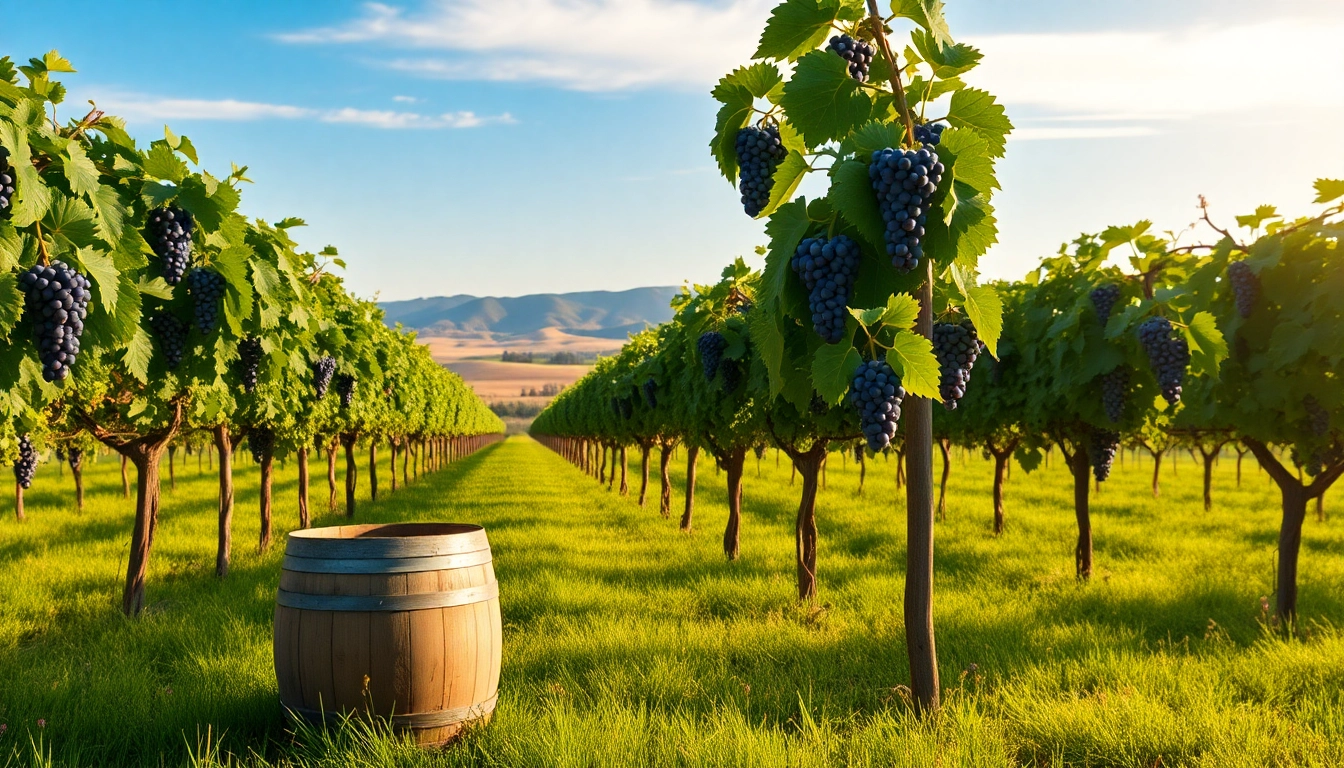
Petite Sirah grapes are small and thick-skinned, which contributes to their high tannin levels and deeply pigmented juice. These characteristics result in wines that exhibit a remarkable intensity in color and flavor, often showing a dark, inky violet hue. They are adapted to withstand varying climates, which allows them to maintain significant flavor retention even in challenging weather conditions. Additionally, the grapes are late ripening, which enables them to develop robust flavors over an extended growing season.
Flavor Profile and Taste Experience
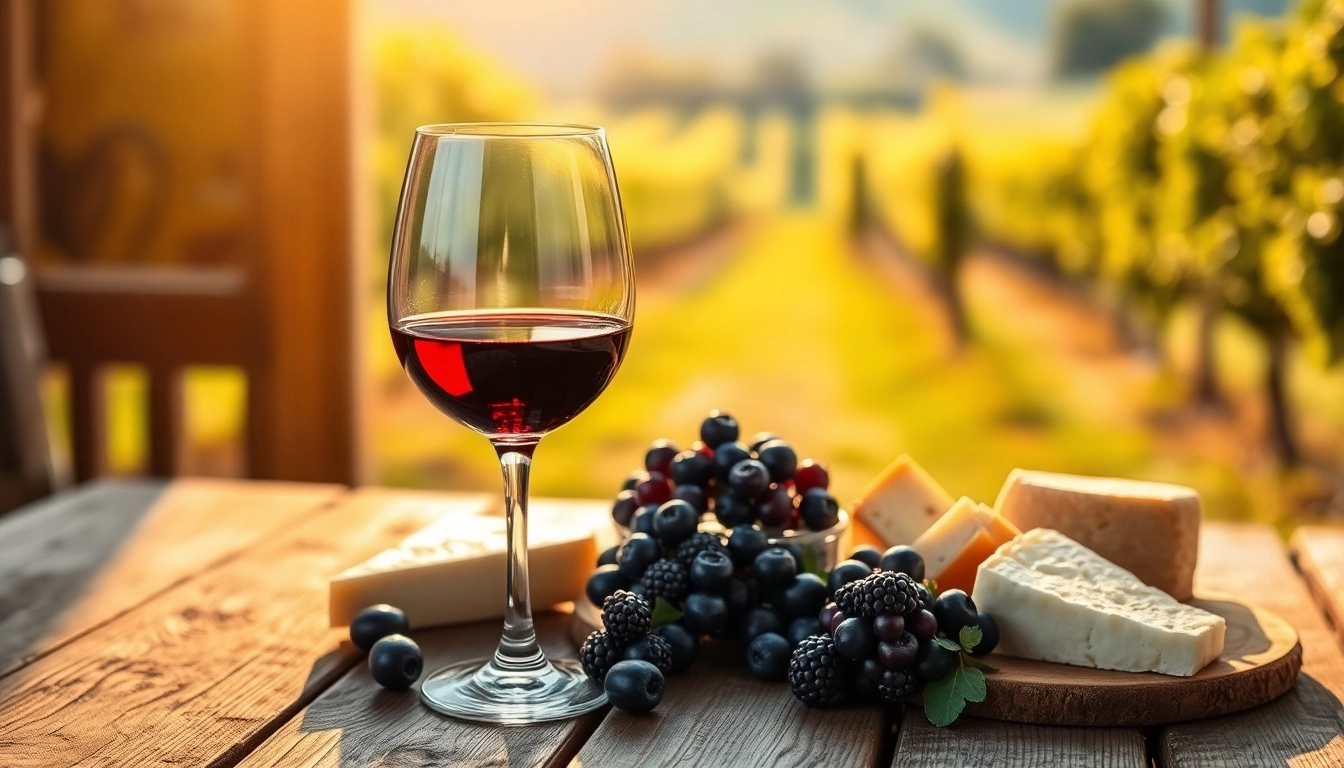
The flavor profile of petite sirah is rich and multilayered. Expect dark fruit notes such as blackberries, plums, and blueberries accompanied by spice notes like black pepper and hints of chocolate or licorice. The mouthfeel is often full-bodied with high acidity, making it perfect for aging. The tannins are firm, providing a structure that pairs well with robust foods. As the wine ages, it can develop nuanced flavors of leather, tobacco, and earthy components, adding to its complexity.
Best Regions for Growing Petite Sirah
Notable Growing Regions Worldwide
Petite Sirah thrives best in regions with warmer climates and well-draining soils. California is the leading producer, especially in areas like Napa Valley, Paso Robles, and Lodi, where long sunlight hours and varied altitudes favor grape maturation. Internationally, wineries in Australia also successfully cultivate petite sirah, producing distinctive wines that highlight the grape’s full-bodied characteristics. Lesser-known regions such as Israel and southern France are also beginning to see successful petite sirah plantings, expanding appreciation for this grape.
Climate and Terroir Factors
The climate in which petite sirah grapes are grown significantly impacts their taste and quality. Ideal conditions include warm daytime temperatures paired with cooler nights, allowing for a gradual ripening process. The terroir, encompassing aspects such as soil type and landscape, plays a crucial role in grappling the nuances of flavor. Different soils, from sandy loams to clay-rich compositions, contribute unique characteristics to the wines. Winemakers often experiment with differing terroirs to accentuate specific flavors, leading to a delightful diversity in petite sirah wines.
Comparison with Other Varietals
When compared to Syrah, petite sirah tends to feature deeper color and more substantial tannins, giving it a heavier mouthfeel. It can be likened to Malbec; both wines display rich fruit flavors but petite sirah leans more towards notes of black pepper and chocolate. In contrast to Cabernet Sauvignon, which is known for its structured tannins and high acidity, petite sirah is often even bolder and fruit-forward, making it an adventurous option for enthusiasts looking to explore deeper styles. Understanding these differences can enrich one’s wine journey and appreciation.
Food Pairing with Petite Sirah
Meat and Cheese Pairings
Petite sirah’s robust character makes it an excellent pairing for rich meats. Consider serving it alongside grilled lamb, braised beef, or even spicy barbecue dishes, where the meat’s richness complements the wine’s tannic structure. Cheese pairings can include aged cheddar or a blue cheese, as the saltiness and strong flavors enhance the wine’s profile, creating a delicious harmony on the palate.
Vegetarian and Vegan Options
For those preferring plant-based pairings, consider hearty dishes such as ratatouille or mushroom risotto. Grilled and marinated vegetables also work well, as the charred notes match the wine’s intensity. Additionally, dishes featuring lentils or beans, especially with spicy seasoning, can provide a satisfying balance with the bold flavors of petite sirah, proving that this wine can elevate vegetarian dining experiences.
Desserts that Complement Petite Sirah
While selecting desserts to pair with petite sirah may seem unconventional, rich chocolate desserts or berry-based tarts can enhance the wine’s fruity notes. Dark chocolate brownies or a chocolate tart, with their deep flavors, complement the wine’s intensity. Think of pairing a fruit compote or cake, which echoes the wine’s berry-like flavors, creating a delightful finish to any culinary experience.
How to Taste and Enjoy Petite Sirah
Proper Serving Temperature
To fully appreciate the flavors of petite sirah, it’s crucial to serve it at the correct temperature. Ideal serving temperature ranges between 60-65°F (15-18°C). Serving too cold can mute the wine’s aromas and flavors, while warmer temperatures can highlight its tannins excessively. A simple tip is to chill the bottle slightly before serving, allowing you to unlock the wine’s potential without compromising its characteristics.
Tasting Techniques
When tasting petite sirah, observe the color and clarity, swirling the glass gently to release the aromas. Take a moment to inhale the bouquet and note the distinct fragrances, which can vary widely. When sipping, allow the wine to coat your palate, experiencing its full mouthfeel. Pay attention to the balance between fruit, tannin, and acidity, which can give insight into the wine’s aging potential and flavor depth.
Storing and Aging Petite Sirah
Proper storage conditions are essential for aging petite sirah well. A temperature-controlled environment, ideally around 55°F (13°C), with stable humidity levels, will help maintain the wine’s quality. Utilize a corkwalled wine rack to prevent vibration and light exposure, which can adversely affect the wine. Over time, with careful aging, petite sirah can develop sophisticated flavors, making it even more intriguing to experience.
Frequently Asked Questions about Petite Sirah
What types of flavors can I expect from a Petite Sirah?
Expect a bold range of flavors including dark fruits like blackberry and plum, alongside spice notes of black pepper and chocolate with hints of licorice, making for a complex tasting experience.
Is Petite Sirah sweet or dry?
Petite sirah is predominantly a dry wine, although its rich fruit flavors can create a perception of sweetness. The wine’s high tannin content balances its profile, enhancing its overall dryness.
How does Petite Sirah differ from Syrah?
While both grapes originate from the same lineage, petite sirah typically has a bolder color, more intense tannins, and richer fruit flavors than its Syrah counterpart, making it a robust choice.
What food goes best with Petite Sirah?
Petite sirah pairs excellently with grilled meats, aged cheeses, and hearty vegetarian dishes. Chocolate desserts also complement its rich fruit and spice notes, creating a memorable combination.
How should I store my Petite Sirah wine?
Store petite sirah in a cool, dark place with a consistent temperature around 55°F (13°C). A wine rack in a temperature-controlled environment will help maintain optimal conditions for aging.