
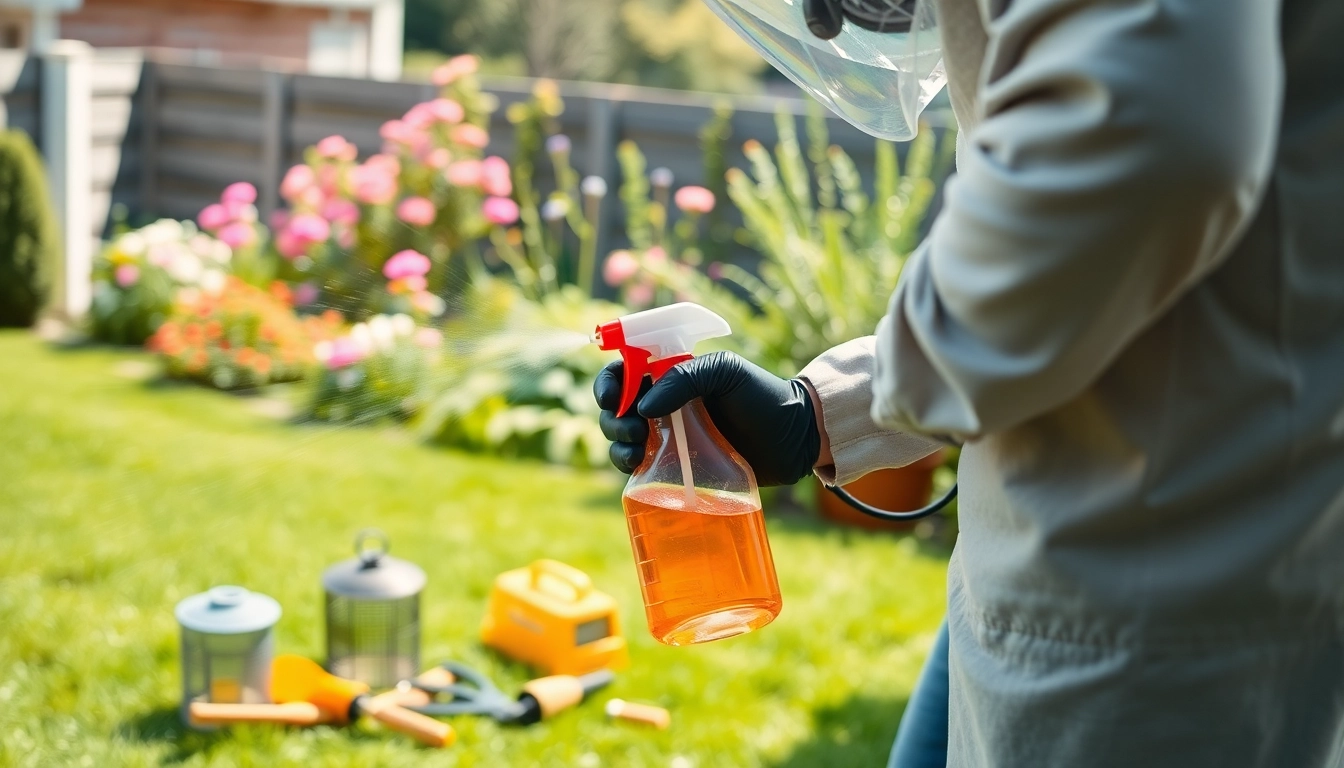
Understanding Home Insect Barrier Treatment
What is Home Insect Barrier Treatment?
Home insect barrier treatment refers to a proactive approach in pest management, creating an unseen shield around residential properties using specialized insecticides or natural compounds. It aims to prevent pests from entering the home while minimizing chemical exposure to the inhabitants. This treatment is crucial for homeowners who wish to enjoy a pest-free environment without relying solely on reactive measures like traps or sprays once an infestation occurs. By implementing a home insect barrier treatment, property owners can reduce the likelihood of infestations by targeting numerous pests at once and effectively deterring them from approaching the property.
Benefits of Using Home Insect Barrier Treatment
The advantages of home insect barrier treatment are multifaceted and include the following:
- Long-lasting Protection: Many barriers can provide ongoing defense against pests for weeks or even months, reducing the risk of pest invasions.
- Cost-Effective: By preventing infestations, homeowners save on potential costs related to cancelling pest issues after they have emerged.
- Peace of Mind: Knowing pests are kept at bay allows homeowners to feel safer and more comfortable in their living spaces.
- Environmental Safety: Many barrier treatments are designed to be eco-friendly, utilizing natural ingredients that are less harmful to humans and pets.
- Targeted Application: Specific treatments can target a variety of pest types, allowing for comprehensive management strategies.
Common Pests Targeted by Barrier Treatments
Home insect barrier treatments are effective against several commonly encountered pests, including:
- Ants: Especially carpenter ants and fire ants, which can cause structural damage and painful bites.
- Spiders: Such as black widows and brown recluses, which pose safety risks to families.
- Termites: Known for their ability to weaken wooden structures significantly.
- Roaches: Including German and American cockroaches, which are not only unsightly but can also carry diseases.
- Ticks and Fleas: Particularly important for pet owners, as these pests can transmit numerous diseases.
Choosing the Right Products for Barrier Treatments
Types of Barrier Treatment Solutions
When selecting a barrier treatment, it is essential to understand the various types available:
- Chemical Insecticides: These formulations are the most common and often consist of synthetic chemicals that kill or repel insects.
- Natural or Organic Solutions: Eco-friendly options that incorporate ingredients like diatomaceous earth, essential oils, or insecticidal soaps.
- Physical Barriers: Products like mesh screens or sealants that physically block pests from entering the home.
- Bait Systems: Often used in conjunction with barriers, these baits lure pests and provide additional control within the treatment spectrum.
Factors to Consider When Selecting Products
When choosing a barrier treatment product, homeowners should consider:
- Efficacy: Verify the product’s effectiveness against targeted pests and read user reviews for real-world insights.
- Safety: Review the ingredients for potential toxicity to humans and pets—opt for safer, eco-friendly alternatives when possible.
- Application Method: Some products are easier to apply than others; consider your comfort level with DIY applications.
- Longevity: Assess how often the product needs reapplication, as longer-lasting options can save time and effort.
- Local Regulations: Be aware of any local regulations or guidelines regarding pesticide use in your area.
Environmental Impact of Barrier Treatments
Environmental concerns are central in today’s pest management discussions. Homeowners should consider:
- Biodiversity: Choosing eco-friendly options can help preserve local ecosystems and protect beneficial insects like bees.
- Water Safety: Ensure that treatments do not contaminate water sources nearby, especially if properties are situated close to streams or lakes.
- Soil Health: Treatments should be sown out with consideration for their potential impact on soil organisms.
- Integrated Pest Management: Combining barrier treatments with other environmentally safe pest control methods can further minimize ecological footprints.
Application Techniques for Optimal Results
Step-by-Step Guide to Applying Home Insect Barrier Treatment
Applying a home insect barrier treatment requires meticulous attention and the following steps:
- Preparation: Clear the area around the home; remove debris and clutter where pests might hide.
- Choose the Right Time: Apply treatments during dry weather; they are less effective in rain or high humidity.
- Follow Instructions: Carefully read and follow the manufacturer’s guidelines for the particular product.
- Application: Use the correct application technique — whether spraying or sanding. Ensure an even distribution.
- Check for Coverage: After applying, inspect the perimeter to ensure all areas are covered adequately. This step helps fill any gaps.
- Cleanup: Safely dispose of any containers and clean up your equipment to avoid contaminating other areas.
Common Mistakes to Avoid During Application
To ensure effectiveness, steer clear of these frequent application pitfalls:
- Neglecting to read product labels can lead to misuse or ineffective application.
- Applying during inclement weather may wash away treatments before they can adhere properly.
- Over-applying or under-applying can lead to inefficient pest control or chemical waste, respectively.
- Failing to prepare the area can result in poor results, as hidden pests may not be reached.
Frequency and Timing for Maximum Effectiveness
Determining how often to apply a home insect barrier treatment depends on the specific product used, but general practices include:
- Seasonal Application: Many treatments are best applied as seasons change to anticipate peak pest activity.
- Quarterly Treatments: For homeowners looking for continuous protection, consider reapplying every three months.
- After Rainfall: Reapply products that may have been washed away following a downpour to maintain maximum effectiveness.
Maintaining a Pest-Free Home
Monitoring the Effectiveness of Your Barrier Treatment
Monitoring is a critical aspect of maintaining a pest-free home. Follow these steps:
- Regularly check for signs of pest activity, such as droppings or nesting materials, that might indicate infiltration.
- Set up inspection schedules to evaluate how well the barrier is holding up and if any areas need reinforcement.
- Document any pest sightings or effectiveness assessment to identify potential adjustments in your approach.
Complementary Strategies for Pest Management
In addition to barrier treatments, consider these complementary pest management strategies:
- Sealing Entry Points: Inspect and seal cracks, gaps, and holes in the foundation, doors, and windows to reduce access.
- Proper Waste Management: Ensure garbage is sealed and that food is stored correctly to minimize attractants.
- Landscaping Adjustments: Keep shrubs and trees trimmed and away from structures to minimize hiding spots.
How to Prepare Your Home for Barrier Treatment
Preparing your home for a barrier treatment is essential for success:
- Clear away any outdoor furniture or items adjacent to the home’s perimeter.
- Ensure pets and children are safely away from the treatment area during application.
- Remove any potted plants or decorations from treated areas to avoid unintentional toxicity.
- Inform household members about the treatment schedule to ensure everyone understands the process.
Frequently Asked Questions
1. How long does home insect barrier treatment last?
Typically, home insect barrier treatments last from a few weeks to several months, depending on the product used and environmental conditions.
2. Is home insect barrier treatment safe for pets?
Generally, many barrier treatments are designed to be pet-safe; however, it’s essential to follow application guidelines and keep pets away during treatment.
3. Can I apply barrier treatment myself?
Yes, most barrier treatments are available for DIY application, but ensuring adherence to the manufacturer’s instructions is crucial for effectiveness.
4. What weather conditions affect barrier treatment effectiveness?
Heavy rain or high humidity can wash away chemical treatments before they adhere properly, so dry conditions are preferable for application.
5. How often should I reapply home insect barrier treatment?
Reapplication frequency can vary, but a good rule of thumb is to reapply every 60 to 90 days, or following heavy rain.