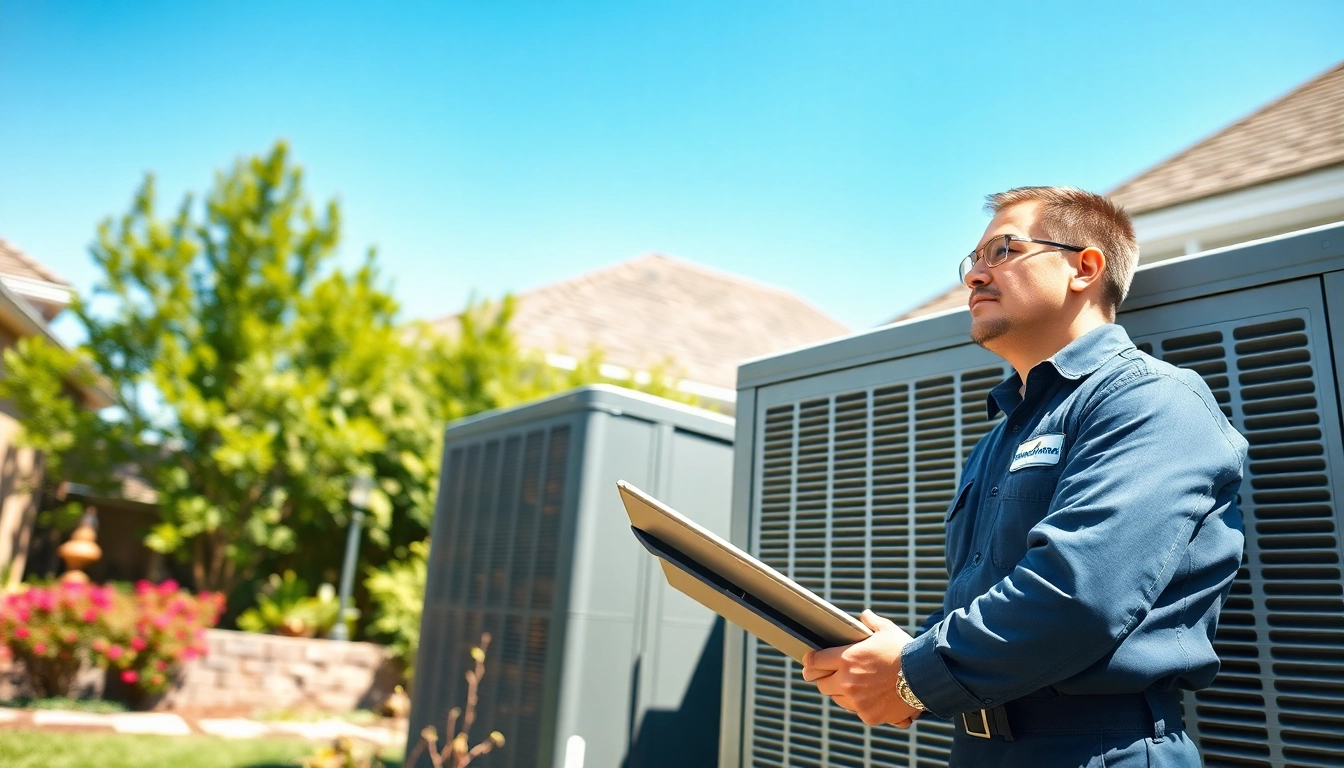

Understanding Pre Purchase Termite Check
Definition and Purpose
A pre purchase termite check refers to a professional inspection of a property to assess the presence of termites and potential damage caused by these pests. This inspection is usually conducted before a home purchase and aims to provide homebuyers with critical information about the state of the property. By identifying any current infestations, potential future concerns, and previous termite damage, buyers can make informed decisions and negotiate repairs or adjustments in the purchase agreement if necessary. Homebuyers are advised to prioritize this step, as termites can cause significant structural damage, leading to costly repairs and safety concerns.
Why it’s Essential for Homebuyers
For prospective homeowners, a pre purchase termite check is crucial. First and foremost, it allows buyers to uncover any hidden termite problems before finalizing their purchase. Discovering a termite infestation after the sale can complicate matters significantly, often leaving buyers with the burden of repair costs, which can range dramatically depending on the extent of the damage. Additionally, many mortgage companies require a termite inspection before approving a loan, making it a necessary step in the buying process. This inspection also instills confidence in the buyer, helping them avoid a potentially disastrous investment.
What to Expect During an Inspection
When a professional conducts a pre purchase termite check, they will examine various aspects of the property. Expect the following procedures:
- Visual Inspection: Inspectors will look for signs of active termites, including mud tubes, discarded wings, and hollowed wood.
- Moisture Check: Termites thrive in damp environments, so inspectors will check the moisture levels in wooden structures.
- Foundation and Exterior Examination: The inspector will assess the home’s foundation for signs of infestation and check the exterior for any entry points.
- Interior Review: Potential problem areas inside the home, like basements and attics, will be checked for signs of termites.
The inspector will then provide a report detailing their findings, including any necessary recommendations. This comprehensive approach ensures that homebuyers are fully informed about the property’s termite status.
Signs of Termite Infestation
Common Indicators of Damage
Termite damage can often be subtle and difficult to recognize, but there are several common signs homebuyers should watch for:
- Hollow Wood Sounds: Tapping on wood might reveal hollow sections if termites have infested.
- Sawdust-like Droppings: Termite fecal pellets, resembling sawdust, are a clear indicator of an infestation.
- Frass: This refers to the wood debris that termites leave behind and can be a telltale sign of activity.
- Swarmers: Winged insects appearing in or near the home are likely reproductive termites seeking to establish new colonies.
Visual Clues to Look for in a Home
When inspecting a home for termite signs, keep an eye out for:
- Wood Damage: Look for peeling paint or drywall, which can signify moisture and a conducive environment for termites.
- Discoloration: Darkened wood or visible tunnels indicate that the wood has been compromised.
- Presence of Wings: Shed wings often found near windows or doorways suggest swarming activity.
Understanding What Each Sign Means
Recognizing the implications of these signs is crucial. For instance, hollow sounds when knocking on wood may suggest extensive internal damage, while finding frass could indicate termite activity nearby, emphasizing the need for immediate action. Homebuyers must be equipped with this knowledge when viewing properties to make informed decisions.
Cost Factors Involved in a Pre Purchase Termite Check
Average Costs in Different Regions
The cost of a pre purchase termite check can vary significantly based on geographical location, the size of the home, and the complexity of the inspection. Generally, homebuyers can expect to pay between $75 and $300 for a thorough inspection. In metropolitan areas, prices may trend higher due to increased demand and higher living costs.
Factors that Influence Pricing
Several factors can affect the overall pricing of termite inspections, including:
- Location: Prices may differ significantly from one region to another, particularly between urban and rural areas.
- Home Size: Larger homes may take more time to inspect, leading to higher fees.
- Type of Inspection: A basic visual inspection will cost less than one involving more detailed evaluations, such as thermal imaging.
- Repairs: If damage is found, the potential need for additional inspections or treatments can complicate overall costs.
When to Consider Additional Inspections
Homebuyers should consider additional inspections if the initial check reveals signs of potential infestations. For example, if the inspector finds mud tubes or frass, a more thorough examination, such as a wood-destroying insect report, may be necessary. Likewise, homes in areas with a high termite incidence may warrant more frequent inspections.
Choosing an Inspector for Pre Purchase Termite Check
Qualifications to Look For
Selecting a qualified inspector is essential for a successful pre purchase termite check. Buyers should look for:
- Certification: The inspector should hold valid licenses and certifications in pest control.
- Experience: Look for an inspector with a significant background in termite inspections and pest management.
- Reputation: Reading online reviews or asking for recommendations can help gauge the inspector’s reliability and professionalism.
Questions to Ask Potential Inspectors
When interviewing prospective inspectors, consider asking questions to clarify their services:
- What types of inspections do you offer?
- Can you provide a written report following the inspection?
- What is included in your inspection fee?
- How quickly can you schedule an inspection?
- What warranty or follow-up services do you provide?
Comparing Estimates and Services
When obtaining estimates from multiple inspectors, it’s essential to ensure that you’re comparing similar services. One inspector might offer additional visual checks, while another might focus solely on structural assessments. Evaluate not just the cost, but the scope of services included in each estimate. It may also be worth investing slightly more for a more comprehensive inspection with a detailed report, as this can save significant costs down the line.
FAQs about Pre Purchase Termite Check
How much does a pre purchase termite check typically cost?
The average cost of a pre purchase termite check ranges from $75 to $300, depending on the home’s size and location.
Is a pre purchase termite check necessary for new construction?
Even new constructions can be at risk for termites. A pre purchase termite check is advised to ensure there are no hidden issues.
What happens if termites are found during the inspection?
If termites are discovered, you can negotiate repairs with the seller and possibly adjust the purchase agreement accordingly.
How often should I get a termite inspection?
It is recommended to have an annual termite inspection, especially if you live in a high-risk area.
Can I perform a termite check myself?
While homeowners can look for visible signs, professional inspections are recommended for a thorough evaluation and accurate results.