Introduction to Derailment
Derailment is a term that strikes at the very heart of the transportation industry, particularly in the realm of rail transport. It refers to instances when vehicles (typically trains) unintentionally fall off their tracks, resulting in potentially severe consequences for both passengers and freight alike. Understanding the phenomenon of derailment, including its causes and possible outcomes, is crucial for anyone involved in railway operations or safety management. This article aims to delve deep into the intricacies of Derailment, exploring its types, causes, impacts, and preventive measures, ultimately offering a comprehensive overview of this significant transport concern.
What is Derailment?
Derailment occurs when a train fails to remain on its designated tracks, leading to a variety of disruptions. While commonly identified with trains, derailment can apply to any rail vehicle, including trams and light rail. The consequences can range from minor disruptions to catastrophic accidents, causing injury to passengers, damage to cargo, and even environmental hazards. Understanding rail systems and the mechanics of these vehicles helps clarify how derailment occurs, contributing to better safety and management practices.
Common Causes of Derailment
There are several common causes of derailment, each playing a critical role in risk assessments and safety evaluations. Key factors include:
- Track Issues: Defective tracks can lead to failure at troublesome spots. Track deformation, wear, or misalignments exacerbate the risk of derailment.
- Mechanical Failures: Incidents may result from issues with train components, including wheel imperfections, brake failures, or coupling problems that prevent safe operation.
- Human Errors: Mistakes made by operators, such as miscalculations in response to signals or improper maintenance of the trains and tracks, can catalyze derailments.
- Environmental Factors: Natural events, including landslides, floods, and severe weather, can compromise track integrity and lead to derailment.
Impact on Transportation Systems
Derailments can have significant repercussions on transport systems. They often lead to service delays, substantial financial losses, and safety-related investigations. Beyond immediate effects, the reputational damage to transportation companies can be profound, impacting public trust and future operations. In more severe cases, derailments can involve rescue operations, extensive clean-up efforts, and heightened regulatory scrutiny on safety protocols.
Types of Derailments
Understanding the different types of derailments requires examining their roots, which can be categorized primarily by the factors contributing to them. Each category presents unique challenges and preventive needs.
Human Factors
Human errors represent a salient cause of derailments, owing to incorrect decision-making or oversights during train operation. Issues can stem from inadequate training, fatigue, or stress, all of which can influence the performance of rail personnel. Furthermore, insufficient communication among team members or between the control center and train operators may exacerbate the likelihood of derailment.
Mechanical Issues
Mechanical problems constitute another critical category. Maintenance protocols are essential for the effective functioning of trains. Overlooked wheels, faulty brakes, or broken signals can precipitate dangerous derailments. Regular checks and adherence to maintenance schedules can mitigate these risks but require diligent execution.
Environmental Influences
External environmental influences also play a role in derailment. Severe weather conditions, such as heavy rain, snow, or ice, can damage tracks or obscure visibility for drivers. Additionally, natural phenomena like landslides or earthquakes can physically alter the landscape, resulting in operational hazards. System adaptability to environmental changes is vital in mitigating these risks.
Preventative Measures
Effectively preventing derailments is a multifaceted approach involving strict safety protocols, technology utilization, and comprehensive training. Each component must work in concert to ensure safety and reliability in rail transport.
Safety Protocols
Establishing robust safety protocols is paramount in reducing derailment risks. Organizations must create detailed guidelines covering standard operational procedures, maintenance schedules, and emergency response steps. Regular audits and inspections help maintain adherence to these safety measures, identifying vulnerabilities before they lead to incidents.
Technology in Prevention
Technology can play a pivotal role in preventing derailments. Advanced sensors, predictive analytics, and real-time monitoring systems can detect mechanical issues before they escalate into full-blown problems. Moreover, modern signaling technology optimizes train movements and enhances operator awareness of track conditions, further reducing risk factors.
Training and Awareness
Comprehensive training and continuous education for rail personnel are crucial strategies in derailment prevention. Training programs should emphasize the importance of compliance with safety guidelines and provide simulation exercises that prepare operators for emergency situations. Building an organizational culture that prioritizes safety awareness can lead to systemic improvements that benefit overall railroad operations.
Response Protocols After Derailment
When a derailment occurs, a rapid and organized response is critical to mitigate consequences. Understanding effective protocols can enhance response effectiveness and reduce potential harm.
Initial Response Steps
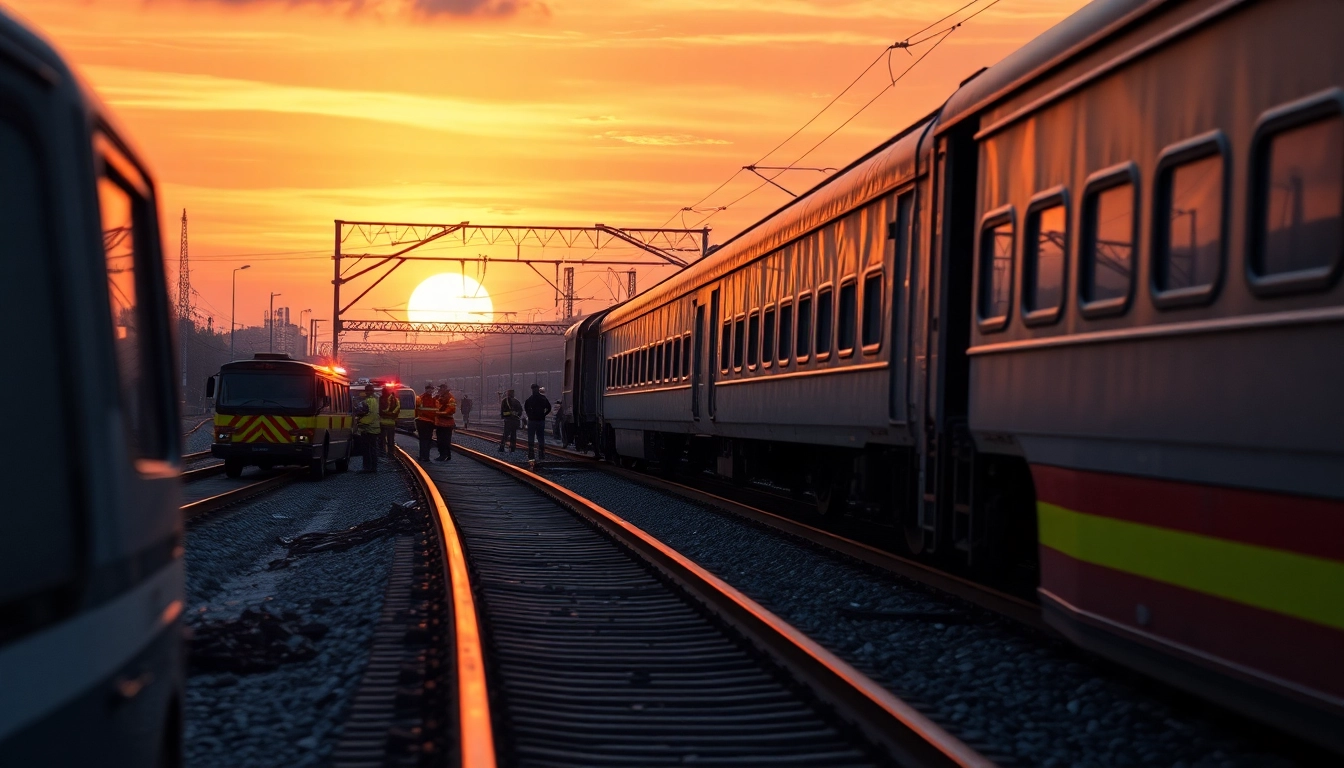
In the event of a derailment, the initial steps often determine the severity of the incident’s aftermath. First responders should prioritize the safety of passengers and crew, providing medical assistance as necessary. Additionally, assessing the situation through on-site evaluations aids in forming an appropriate response plan that includes communication with emergency services and railway officials.
Legal and Safety Considerations
Post-derailment responses must take into account various legal and safety obligations. Thorough incident reporting and adherence to regulations are essential for accountability and transparency. Additionally, investigations should seek to establish the cause of the derailment, informing future safety measures and ensuring compliance with transportation laws.
Public Communication Strategies
Effective public communication is vital after a derailment. Keeping affected individuals and stakeholders informed helps maintain trust and confidence. Responses should include clear information on the incident’s nature, ongoing safety measures, and steps being taken to prevent future occurrences. Consistent updates through various channels (e.g., social media, press releases) significantly affect public perception and organizational reputation.
Future of Derailment Management
Looking forward, the management of derailments will likely benefit from innovations in rail safety and changes in policies governing transportation systems. Proactive adaptations to emerging challenges will be essential to the industry’s ongoing development.
Innovations in Rail Safety
Innovative technologies form the backbone of future rail safety advancements. Examples include intelligent automation systems capable of managing train operations with minimal human intervention. Artificial intelligence (AI) can also analyze data trends to identify potential risks before they manifest into serious issues. These technological advancements ensure the resilience and reliability of rail systems on a larger scale.
Policy Implications
Changes in policy are integral in establishing safety standards and promoting accountability across rail networks. Governments and regulatory bodies must cooperate with rail companies to develop comprehensive safety regulations that adapt to advancements in technology and tackle emerging risks. Policies should focus on mandatory safety assessments and community engagement initiatives that foster public trust.
Case Studies in Improvement
Learning from past derailments is crucial for continual improvement. Analyzing case studies where safety measures led to successful risk mitigation provides valuable insights into what works. For example, regions that adopted strict maintenance protocols after a series of incidents reported significantly fewer derailments. These case studies demonstrate that commitment to learning and adapting can effectively reduce risks and enhance overall rail safety.
Frequently Asked Questions
What is derailment in rail transport?
Derailment refers to the situation where a train loses contact with its tracks, leading to accidents or disruptions in service.
What causes derailment?
Common causes include track defects, mechanical failures, human errors, and environmental factors such as severe weather.
How can derailments be prevented?
Preventative measures include implementing safety protocols, utilizing advanced technology, and providing thorough training for rail personnel.
What happens after a derailment?
After a derailment, emergency responders prioritize safety, conduct investigations, and manage public communications regarding the incident.
What is the future of derailment management?
The future will likely see improvements through technological innovations, policy changes, and lessons learned from past incidents to enhance rail safety.