Introduction to Fluid Power Systems
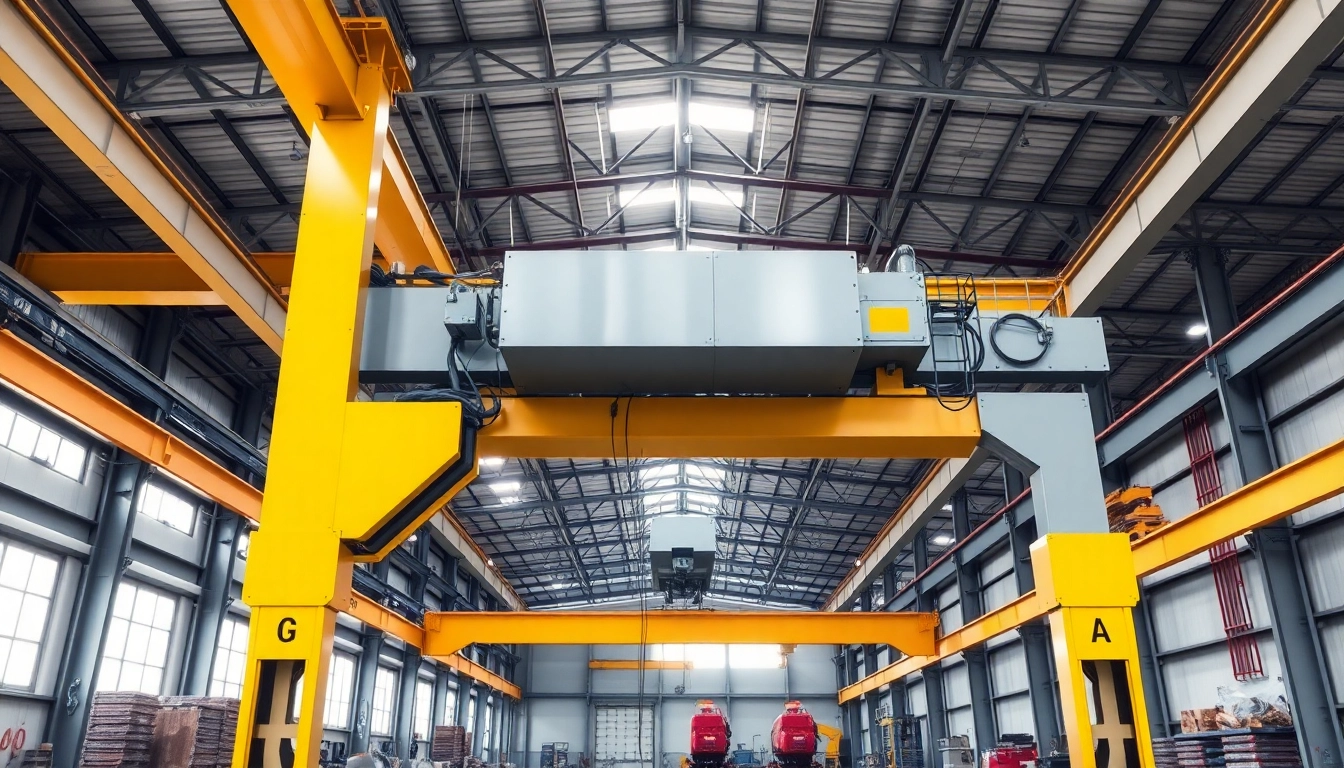
Fluid power systems form a crucial backbone of modern industrial automation, harnessing the power of fluids to generate, control, and transmit power effectively. These systems involve the use of liquids or gases to drive machinery and perform tasks across various sectors. From construction equipment to manufacturing processes, fluid power systems are integral to operations that require precise movements and substantial force output. This article delves into the intricacies of fluid power systems, exploring their components, types, advantages, challenges, and future trends.
What Are Fluid Power Systems?
Fluid power systems utilize the energy transmitted through hydraulic fluids (liquids) or pneumatic fluids (gases) to power machinery and components. These systems can convert hydraulic or pneumatic energy into mechanical energy, which is then used for various applications. The underlying principle relies on Pascal’s law, stating that pressure applied to a confined fluid is distributed uniformly throughout the fluid.
Key Components of Fluid Power Systems
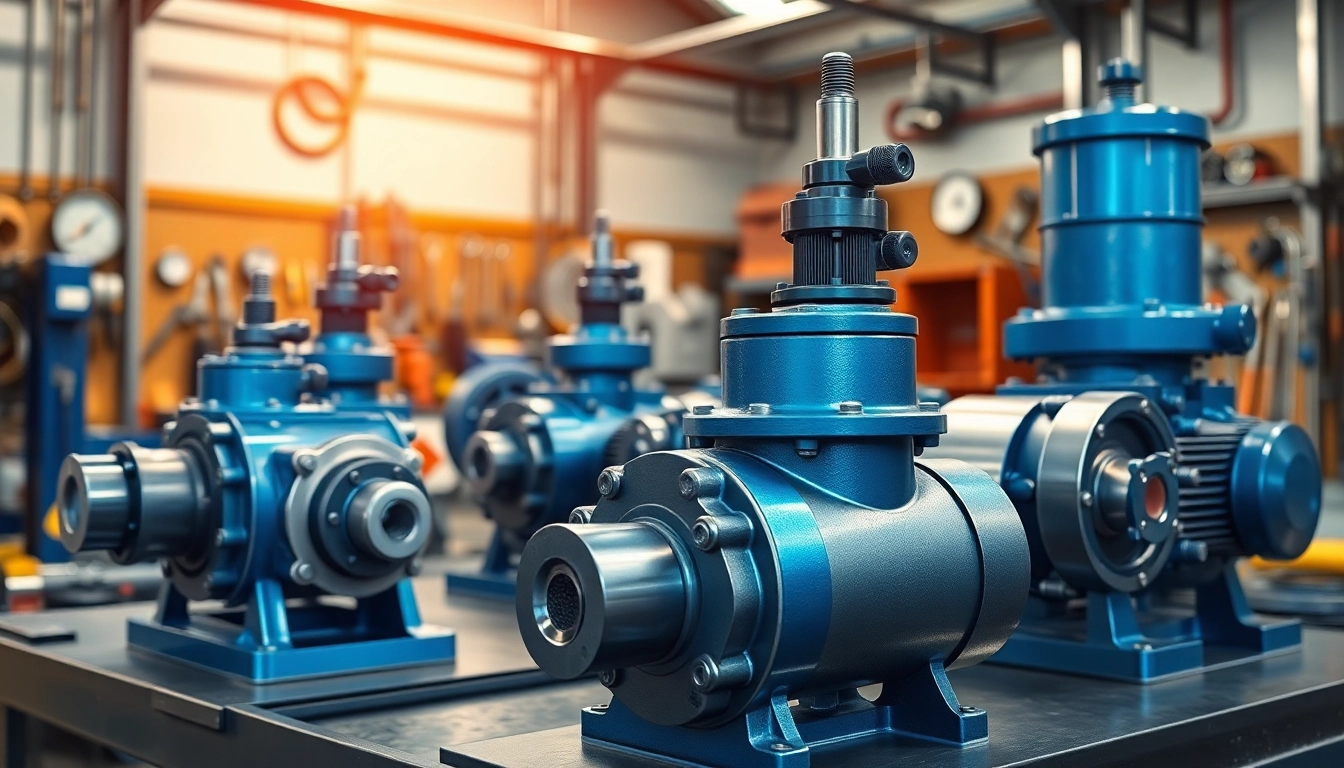
Understanding the key components of fluid power systems is essential for anyone looking to grasp how these systems operate effectively. The primary components include:
- Reservoirs: These store the hydraulic fluid necessary for the system’s operation.
- Pumps: Responsible for moving the hydraulic fluid through the system, converting mechanical energy into hydraulic energy.
- Actuators: Devices such as cylinders or motors that convert hydraulic energy back into mechanical energy to perform work.
- Valves: Controls the flow and pressure of the hydraulic fluid, directing it to various components as needed.
- Filters: Remove contaminants from the hydraulic fluid, ensuring a clean and efficient system.
- Hoses and Pipes: Facilitate the movement of hydraulic fluid between components.
Applications of Fluid Power Systems
Fluid power systems are versatile and find application across various industries, such as:
- Manufacturing: Used in presses, injection molding machines, and robotics.
- Aerospace: Primarily utilized in flight control systems and landing gear mechanisms.
- Construction: Powers equipment like excavators, cranes, and bulldozers.
- Agricultural: Implements in tractors and harvesters use hydraulic systems for enhancing efficiency.
- Automotive: Hydraulic brakes and steering systems for safety and performance.
Types of Fluid Power Systems
Hydraulic vs. Pneumatic Systems
Fluid power systems are primarily categorized as hydraulic or pneumatic systems, each with its distinct characteristics:
- Hydraulic Systems: Utilize incompressible liquids, typically oil, providing high power and force output. Hydraulic systems are prevalent in applications where significant force is required, such as construction equipment.
- Pneumatic Systems: Use compressible gases, like air, making them suitable for lighter loads and quicker movements. Pneumatic systems are common in assembly lines and packaging equipment where speed is critical.
Comparative Benefits of Each Type
When evaluating hydraulic and pneumatic systems, consider the following benefits:
- Hydraulic Systems: Offer higher power-to-weight ratios, capability to operate in extreme conditions, and precise control over force and speed.
- Pneumatic Systems: Generally require less maintenance, are cleaner due to the absence of oil, and can be designed for rapid cycle rates.
Choosing the Right System for Your Needs
Selecting the right type of fluid power system hinges on various factors, including:
- Application Requirements: Assess the force needed, cycle speed, and precision levels.
- Operating Environment: Consider factors like temperature, exposure to contaminants, and available infrastructure.
- Maintenance Capabilities: Evaluate your team’s expertise and the system’s frequency of maintenance.
Advantages of Fluid Power Systems
High Power-to-Weight Ratios
Fluid power systems exhibit remarkable power-to-weight ratios, especially hydraulic systems, which can lift heavy loads with minimal physical size. This advantage allows for smaller and lighter machines, which can lead to reduced energy consumption and production costs.
Precision and Control in Operations
One of the hallmarks of fluid power systems is their ability to offer high precision and control. Advanced control technologies allow for fine adjustments in the movement mechanisms, facilitating complex tasks that require exact positioning and timing.
Reliability and Maintenance Considerations
Fluid power systems are designed for reliability, often boasting long operational lifespans with proper maintenance. Regular checks on fluid levels, replacement of filters, and inspections of hoses and pumps can mitigate common failures, ensuring consistent system performance.
Common Challenges in Fluid Power Systems
Leakage Issues and Solutions
Leakage is a significant concern in both hydraulic and pneumatic systems, leading to inefficient operation and increased costs. Implementing preventive maintenance, using reliable seals, and conducting regular inspections are vital strategies to minimize leakage risks.
Contamination Control in Fluid Power Systems
Contaminants can severely impact the performance and longevity of fluid power systems. Regular fluid analysis, using filtration systems, and maintaining cleanliness in storage and handling can help ensure system integrity and performance.
Temperature Management Techniques
Fluid temperature is crucial for optimal system performance. High temperatures can lead to fluid degradation and loss of efficiency. Using coolers, maintaining proper fluid levels, and ensuring adequate airflow are effective methods for managing temperature within fluid power systems.
Future Trends in Fluid Power Systems
Technological Innovations on the Horizon
The future of fluid power systems is ripe with technological advancements, including the integration of IoT devices for real-time monitoring and analytics. These innovations will enable better performance optimization, predictive maintenance, and smarter automation solutions.
The Impact of Automation on Fluid Power Systems
Automation is revolutionizing industries by enhancing efficiency and reducing labor costs. Fluid power systems are expected to integrate more seamlessly with automated processes, improving synchronization and reducing downtime.
Environmental Considerations and Sustainability
Sustainability is becoming a focal point in the development of fluid power systems. Embracing eco-friendly fluids, enhancing energy efficiency, and implementing recycling processes for used fluids will be critical in reducing environmental impacts while ensuring operational effectiveness.
FAQs About Fluid Power Systems
1. What is a fluid power system?
A fluid power system uses liquids or gases to transmit and control energy. It’s used in machinery like hydraulic and pneumatic systems for various industrial applications.
2. What are the main components of hydraulic systems?
Key components include pumps, actuators, valves, reservoirs, filters, and hoses or pipes, each playing a vital role in system functionality.
3. What are the benefits of using pneumatic systems?
Pneumatic systems are low maintenance, operate quickly, and are cleaner since they use air, making them ideal for applications requiring rapid movement.
4. How can I prevent contamination in my fluid power system?
Regular fluid checks, using effective filtration, and ensuring cleanliness during fluid handling can help control contamination in the system.
5. What future trends are expected in fluid power systems?
Future trends include enhanced automation, IoT integration for real-time monitoring, and a greater emphasis on sustainable practices within fluid power technologies.